
Speed reading isn’t only about technique. While eye movement, chunking, and practice matter, the environment you read in plays a major role in how quickly and effectively you process information. Lighting, posture, noise level, and desk setup all influence focus, comprehension, and endurance—especially in digital learning environments.
For students and professionals who read on screens for long periods, small environmental adjustments can lead to noticeable improvements. The same conditions that support speed reading often support typing, concentration, and overall productivity. When the body is comfortable and the eyes are relaxed, the brain is free to focus on meaning rather than strain.
How Lighting Impacts Reading Speed and Focus
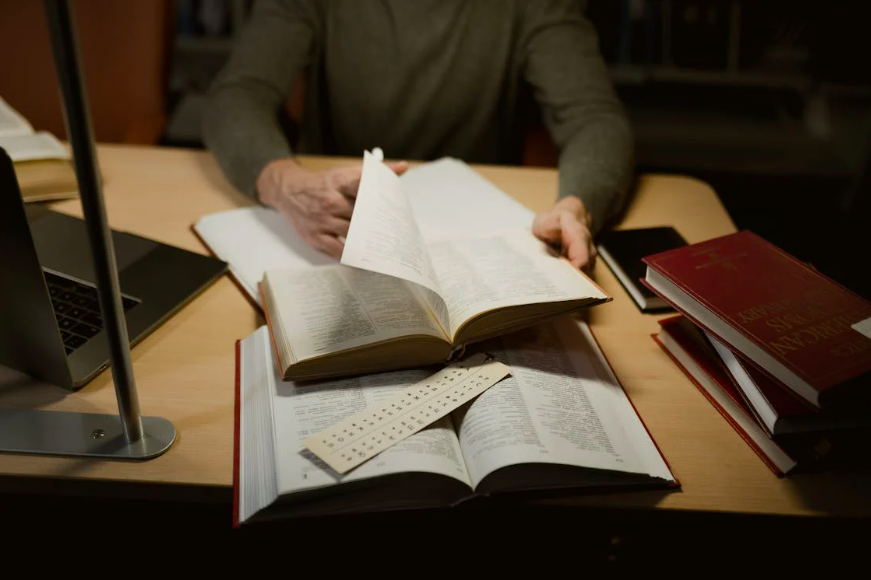
Lighting directly affects how efficiently the eyes move across text. Poor lighting forces the eyes to work harder, which can slow reading speed and increase fatigue. Over time, this strain reduces comprehension and makes it harder to sustain attention.
Natural light is ideal whenever possible. Positioned to the side rather than directly behind or in front of the screen, it reduces glare and provides balanced illumination. When natural light isn’t available, soft, evenly distributed artificial lighting is the next best option.
Harsh overhead lighting or strong contrast between the screen and the surrounding space can cause eye discomfort. Readers may blink more frequently or lose their place, interrupting reading flow. Consistent lighting supports visual comfort for digital reading, helping readers maintain rhythm and pace.
Screen brightness should also match the room’s lighting level. A screen that’s too bright in a dim room or too dim in a bright room forces constant visual adjustment. This subtle effort adds up, especially during long speed reading sessions.
Lighting also affects typing. When learners switch between reading and typing—such as taking notes or summarizing content—good lighting helps maintain accuracy and speed. Reduced eye strain allows smoother transitions between reading input and typing output.
The goal is balance: clear visibility without glare, shadows, or sharp contrast. When lighting supports the eyes, speed reading becomes more sustainable and less tiring.
Master Typing & Digital Skills with Typesy!
Go beyond keyboarding—Typesy helps you boost digital literacy, productivity, and efficiency in today’s tech-driven world.



Creating an Environment That Supports Speed Reading
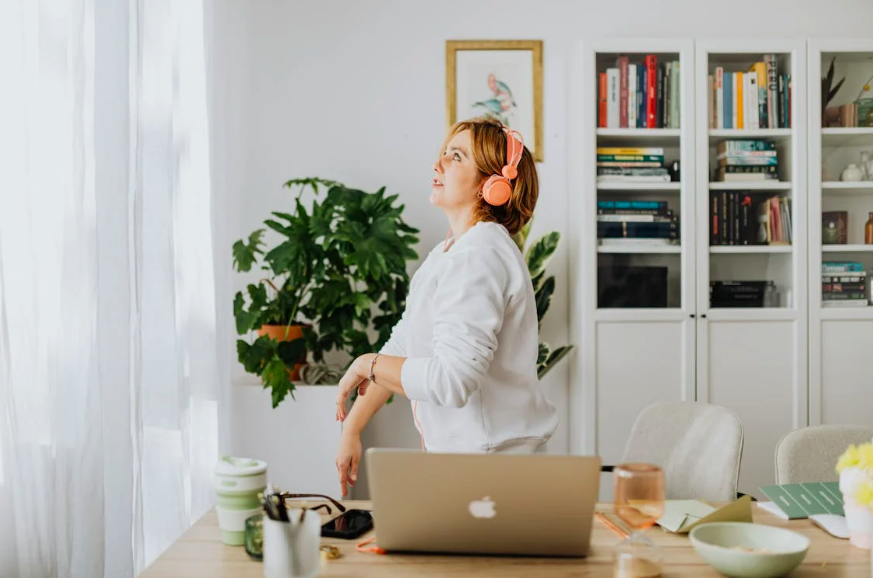
Beyond lighting, the overall environment plays a critical role in reading speed. Noise, posture, and desk layout all influence how quickly the brain can process text.
A quiet or predictably low-noise environment helps reduce cognitive interruptions. Sudden sounds or conversations pull attention away from the text, forcing readers to reread sections. For many learners, light background noise or silence supports focused reading and learning environments.
Posture matters more than many realize. Reading while slouched or craning the neck strains the body and reduces oxygen flow, which can affect concentration. A chair that supports the lower back and a screen positioned at eye level help maintain alertness during longer reading sessions.
Desk organization also contributes to focus. A cluttered desk creates visual distractions that compete with the text on the screen. Keeping only essential items—such as a keyboard, mouse, and reading device—helps the mind stay on task.
Typing often follows reading, especially in study or work settings. When the environment supports both activities, learners can move seamlessly from reading quickly to typing efficiently. This reinforces comprehension, as typing summaries or notes requires active engagement with the material.
Digital habits are part of the environment too. Closing unnecessary tabs, silencing notifications, and using full-screen reading modes reduce mental clutter. These choices support healthy screen-based study habits, allowing learners to maintain speed without sacrificing understanding.
Temperature and comfort shouldn’t be overlooked. A room that’s too warm or too cold can quietly drain focus. Comfort supports consistency, and consistency is essential for improving speed reading over time.
Speed reading is a skill that develops through practice, but practice is most effective when conditions are right. A supportive environment doesn’t replace technique—it amplifies it. When lighting and surroundings work with the reader instead of against them, progress becomes easier and more enjoyable.
By paying attention to these often-overlooked factors, learners can read faster, retain more, and transition smoothly into typing and application tasks. In digital learning, environment is not background—it’s part of the strategy.
Not on Typesy Yet? You're Missing Out!
Master typing, boost productivity, and enhance digital literacy with Typesy—the leading platform for adaptive and engaging typing education. Whether you're an individual learner, a homeschool educator, or managing a classroom, Typesy has the perfect solution for you!
Choose Your Ideal Experience:
 Get Started with Typesy Today! – Transform the way you learn and teach typing!