
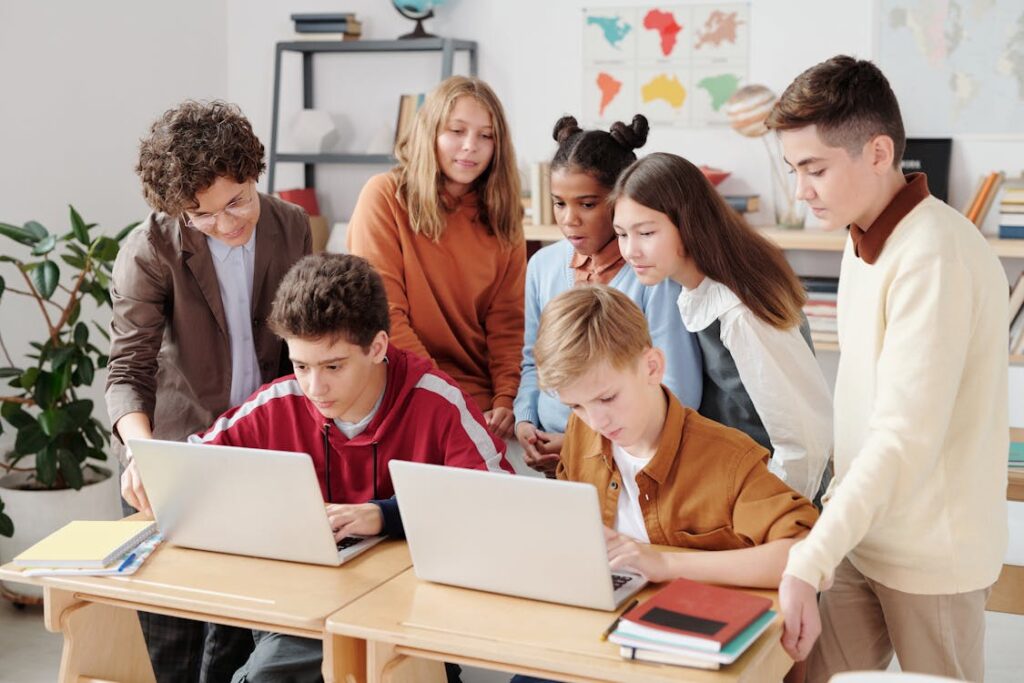
Remote learning has opened new doors for students to connect and learn beyond classroom walls. But it also means collaboration looks different: group projects, discussions, and teamwork now happen through screens. Helping students develop strong collaboration skills in virtual environments ensures they stay engaged, communicate clearly, and work productively with their peers.
Why Collaboration Matters in Digital Education
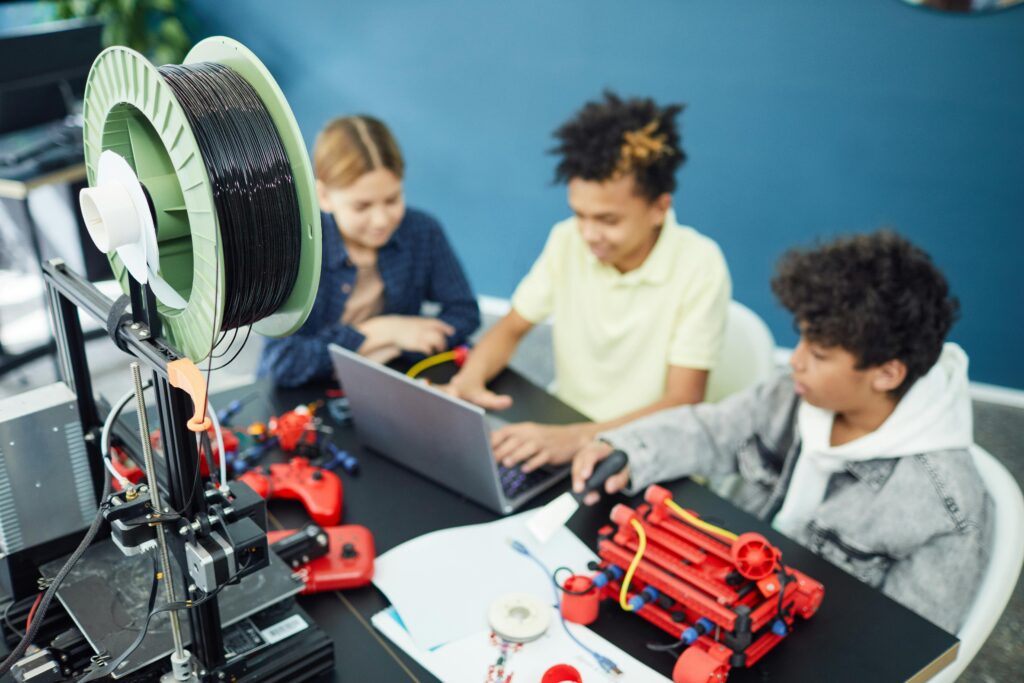
The ability to work well with others is a key 21st-century skill. In online classrooms, students learn not only from teachers but also from one another. Group activities — from brainstorming sessions to shared presentations — teach responsibility, creativity, and empathy.
Collaboration also develops effective communication in digital environments. Students must learn how to articulate ideas, listen carefully, and provide constructive feedback through video calls, chats, or shared documents. These experiences prepare them for future workplaces, where remote teamwork is increasingly common.
Typing plays an important role in this process. Clear, accurate typing allows students to contribute confidently in chat discussions, collaborative documents, and forums. When they don’t have to worry about spelling errors or slow speed, they can focus on expressing ideas and responding to others. Encouraging learners to practice typing accuracy and speed supports both clarity and professionalism in group settings.
Looking to equip your students with better collaboration skills? Explore Typesy’s programs that combine keyboard mastery, organization tools, and lessons for thriving in virtual classrooms.
Practical Tips to Foster Teamwork Online
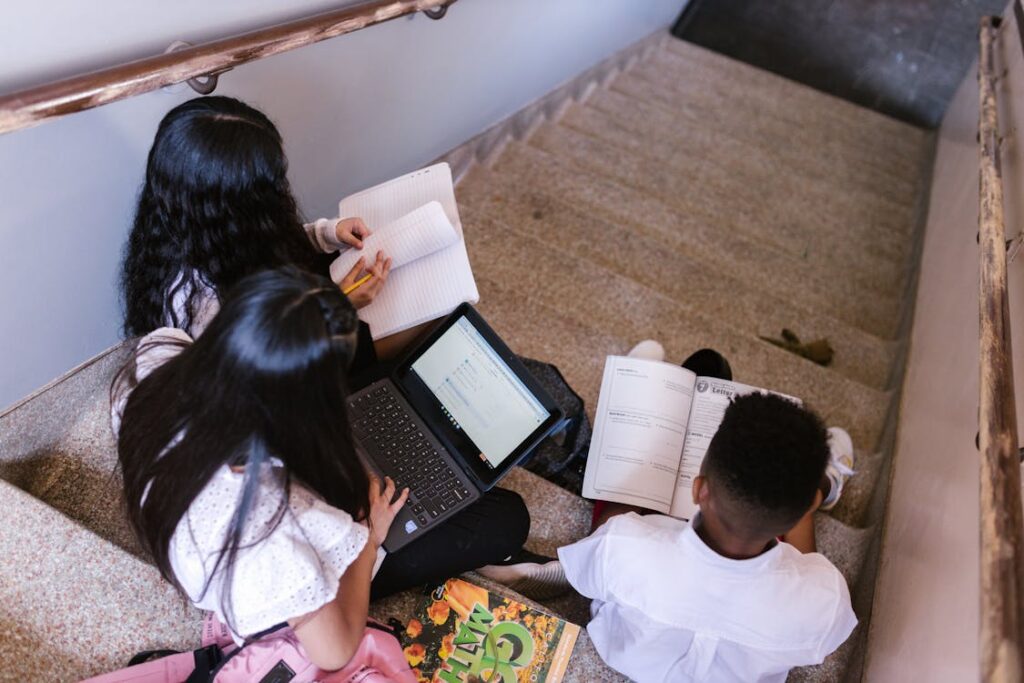
To build collaboration skills, students need structured opportunities to practice. Here are some strategies to try:
- Set clear expectations. Establish guidelines for respectful communication, deadlines, and how group work will be divided. Consistency builds trust among team members.
- Use collaborative tools. Platforms like Google Docs, Trello, or shared whiteboards allow students to brainstorm and edit work in real time. Encourage them to type comments or suggestions that are specific and supportive.
- Pair typing practice with online etiquette lessons. Strong keyboarding skills help students focus on content while good netiquette ensures positive interactions.
- Organize roles in group projects — such as researcher, writer, or presenter — so everyone contributes meaningfully.
- Promote video or audio check-ins. Face-to-face time, even virtually, strengthens connection and reduces misunderstandings.
Encouraging students to reflect on their teamwork is equally important. After a project, discuss what went well and where they can improve. This helps learners develop self-awareness in online learning and build confidence in managing group dynamics.
Teachers can model these skills by giving prompt, constructive feedback in shared spaces. Praising thoughtful comments or well-organized contributions motivates students to keep refining how they participate.
Creating Lifelong Collaborators
Remote learning is here to stay, making collaboration skills more important than ever. By blending communication practice, clear expectations, and typing fluency, students gain the tools to succeed in virtual classrooms and beyond.
Regularly revisiting these habits helps them become second nature. As students advance through school and eventually into professional environments, they’ll benefit from having learned how to navigate teamwork with respect, organization, and efficiency.
Typing isn’t just a technical ability; it’s a foundation for connection. When students can type smoothly, they’re better prepared to share insights, support peers, and build collective solutions — whether they’re completing a project, participating in an online club, or preparing for a remote career.
Ready to strengthen collaboration skills while sharpening keyboard fluency? Try Typesy today — our platform integrates engaging typing lessons with strategies for productive, respectful teamwork online.