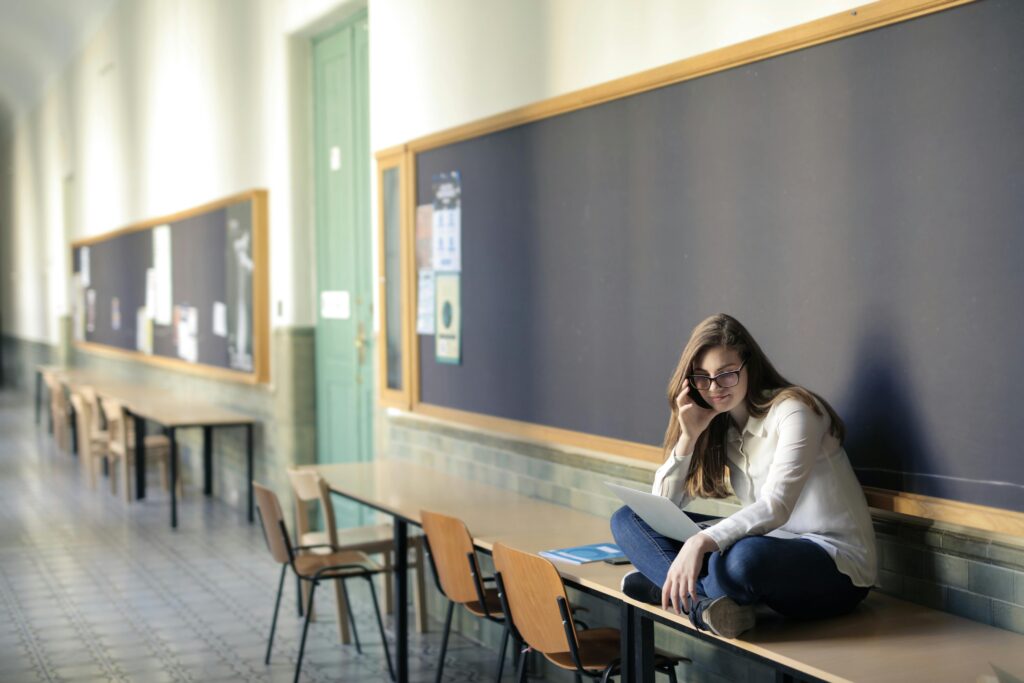
Resilience—the ability to recover from challenges and adapt to change—is one of the most valuable skills students can develop in today’s fast-changing world. Whether they’re facing a tough exam, struggling with an assignment, or managing the ups and downs of online learning, resilient students are more likely to persevere, grow, and succeed.
In modern classrooms, where learning often happens through screens and technology, resilience goes hand in hand with self-regulation and confidence. Teachers and parents who intentionally nurture resilience are helping learners build not just academic strength but lifelong adaptability.
Why Resilience Matters in Modern Learning

In a digital classroom, setbacks can happen frequently. A student might lose internet connection during an online test, experience frustration with new software, or struggle to stay focused amid distractions. But these challenges can also be opportunities for growth. Resilience teaches students to manage frustration, problem-solve, and keep a positive mindset.
Educators can model resilience by normalizing mistakes as part of learning. When teachers share their own experiences of overcoming challenges, they show students that setbacks aren’t failures—they’re stepping stones toward mastery. Activities like reflection journals, peer collaboration, and progress tracking help students see improvement over time, reinforcing that perseverance pays off.
Incorporating digital tools can strengthen this process. For instance, using typing lessons to build daily discipline helps students connect consistency with improvement. Touch typing, in particular, gives learners a visible measure of progress—their speed and accuracy improve through persistence. This kind of visible feedback motivates students to keep trying, even when they make mistakes along the way.
Master Typing & Digital Skills with Typesy!
Go beyond keyboarding—Typesy helps you boost digital literacy, productivity, and efficiency in today’s tech-driven world.



Practical Strategies for Teaching Resilience
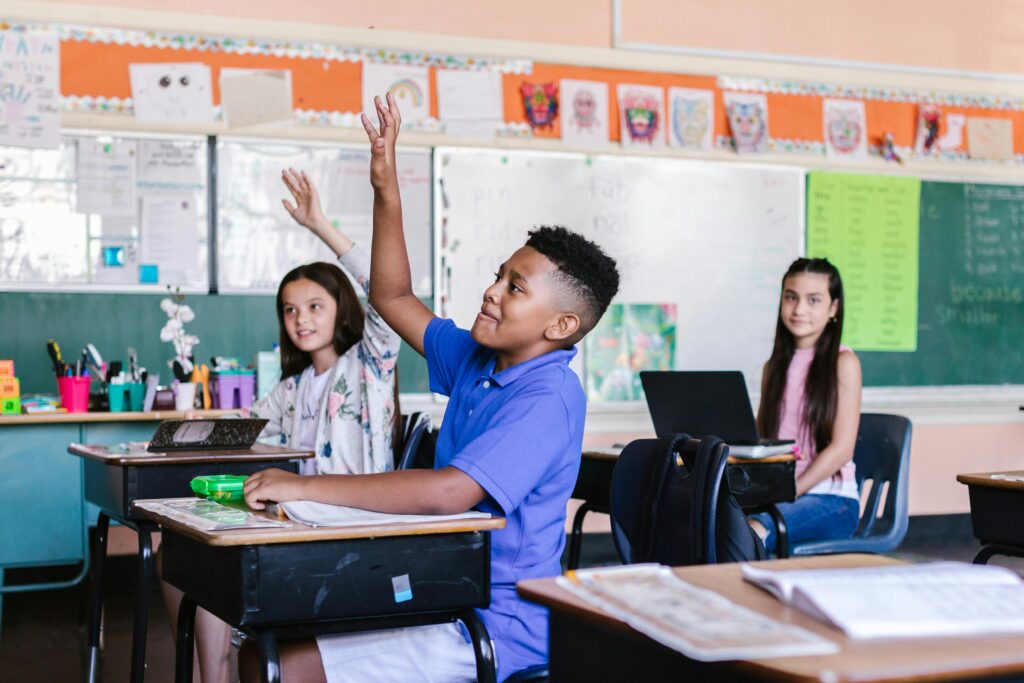
To help students cultivate resilience, educators can blend emotional learning with practical digital habits. One effective strategy is promoting a “growth mindset,” the belief that abilities develop through effort. By reframing challenges as opportunities, students are less likely to give up when tasks feel difficult.
Encouraging reflection also plays a key role. After facing a challenge—such as a difficult project or failed quiz—students can reflect on what went wrong and how they might approach it differently next time. Digital tools like journaling apps or learning dashboards can make this reflection more structured and engaging.
Another valuable approach is integrating self-paced online learning. When students can move through lessons at their own speed, they gain confidence and control over their progress. This not only builds autonomy but also teaches them how to manage setbacks independently. If they fall behind, they learn how to catch up, adjust goals, and stay motivated.
Teachers can further promote resilience by building a supportive online classroom environment. Encouraging peer feedback, celebrating small wins, and teaching safe digital communication help students feel connected and valued. When learners know they’re supported, they’re more likely to take risks, ask for help, and push through difficulties.
Finally, developing good typing habits supports resilience in subtle but meaningful ways. Typing accurately and efficiently reduces frustration during online assignments, freeing students to focus on ideas rather than errors. Over time, consistent practice builds both skill and confidence—two key ingredients for resilience.
Turning Setbacks into Strengths
Resilience doesn’t just prepare students for academic success—it equips them for life. In a world where technology evolves constantly, the ability to adapt, recover, and keep learning will always be valuable.
By teaching students how to handle challenges calmly and persistently, educators empower them to thrive in both digital and real-world settings. Whether through typing practice, collaborative online projects, or reflective learning, every moment of effort builds stronger, more confident learners.
And when resilience becomes part of a classroom’s culture, students carry that strength far beyond the screen.
Not on Typesy Yet? You're Missing Out!
Master typing, boost productivity, and enhance digital literacy with Typesy—the leading platform for adaptive and engaging typing education. Whether you're an individual learner, a homeschool educator, or managing a classroom, Typesy has the perfect solution for you!
Choose Your Ideal Experience:
 Get Started with Typesy Today! – Transform the way you learn and teach typing!