
In today’s digital-first world, networking isn’t limited to conference rooms or career fairs. For students, building connections often starts online—through virtual classrooms, collaborative projects, social platforms, and professional communities. Developing strong networking skills early helps students prepare for future education and career opportunities while learning how to communicate responsibly and confidently.
Digital networking is not about collecting contacts. It’s about forming meaningful relationships, sharing ideas, and learning how to present yourself thoughtfully in online spaces. These are essential 21st century skills that support academic success and long-term professional growth.
Why Digital Networking Matters for Students

Networking helps students expand their perspectives beyond their immediate environment. Through online interactions, they can connect with peers who share similar interests, mentors who offer guidance, and educators or professionals who provide insight into future paths.
One key foundation of effective networking is communication. Whether sending emails, participating in discussion boards, or collaborating on shared documents, students rely heavily on typing to express ideas clearly. Strong typing skills allow them to focus on what they want to say rather than how fast they can type, making communication more confident and professional.
Digital networking also supports collaboration. Group projects, virtual study groups, and online clubs all require students to contribute ideas respectfully and respond to others thoughtfully. These interactions build effective digital communication skills, helping students learn tone, clarity, and audience awareness.
However, networking in the digital era also comes with responsibility. Students must learn how to represent themselves appropriately, understand digital footprints, and engage respectfully. Teaching these habits early builds confidence and reduces the risk of misunderstandings or unsafe interactions.
Parents and educators can support this process by encouraging students to participate in moderated online communities related to their interests. These spaces provide low-risk opportunities to practice communication, ask questions, and learn from others.
Networking isn’t just for older students preparing for careers. Even younger learners benefit from understanding how to introduce themselves, ask thoughtful questions, and collaborate online. These skills grow alongside academic and digital literacy.
Master Typing & Digital Skills with Typesy!
Go beyond keyboarding—Typesy helps you boost digital literacy, productivity, and efficiency in today’s tech-driven world.



Building Smart and Safe Online Connections
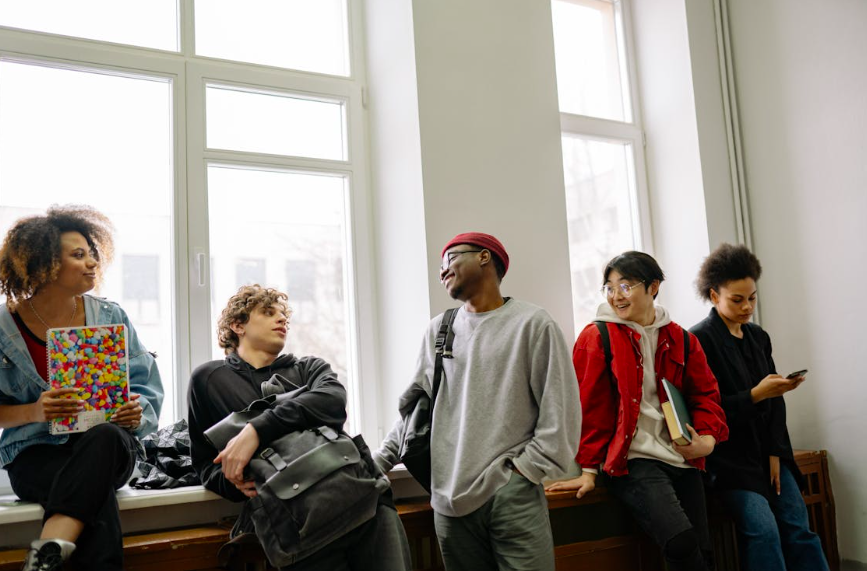
While networking opens doors, safety and intentionality keep those doors beneficial. Students should learn that not every online space is appropriate for networking, and not every connection needs to be accepted.
A good starting point is teaching students to evaluate platforms. Educational forums, learning platforms, and supervised social networks are ideal places to practice. These environments reinforce safe online networking habits while offering meaningful interaction.
Written communication plays a central role here. Typing messages that are clear, respectfrul, and purposeful helps students stand out positively. Simple habits—using proper greetings, complete sentences, and polite language—build credibility and trust over time.
Students should also understand the value of listening. Networking is a two-way process. Reading others’ posts carefully, responding thoughtfully, and asking follow-up questions show engagement and respect. This kind of interaction supports responsible digital citizenship, a skill that extends far beyond networking.
Another important aspect is consistency. Networking isn’t a one-time activity. Encouraging students to check in periodically, share updates, or express appreciation helps maintain connections naturally. Typing short messages or comments regularly keeps communication skills sharp and relationships active.
Educators can integrate networking practice into learning by assigning collaborative digital projects or peer feedback activities. These experiences normalize online communication as part of learning rather than something separate or intimidating.
It’s also important to remind students that quality matters more than quantity. A few strong connections built on shared interests or goals are more valuable than a long list of contacts with no real interaction.
As students grow, their networking skills will evolve. What begins as simple collaboration can develop into mentorships, academic partnerships, or career opportunities. The habits they build now—clear typing, respectful communication, and safe engagement—will support them at every stage.
Digital networking is no longer optional. It’s a core 21st century skill that empowers students to learn, connect, and grow in a connected world. With guidance, practice, and strong digital foundations, students can turn online interactions into meaningful, lasting connections.
Not on Typesy Yet? You're Missing Out!
Master typing, boost productivity, and enhance digital literacy with Typesy—the leading platform for adaptive and engaging typing education. Whether you're an individual learner, a homeschool educator, or managing a classroom, Typesy has the perfect solution for you!
Choose Your Ideal Experience:
 Get Started with Typesy Today! – Transform the way you learn and teach typing!