
A successful homeschooling experience is shaped not only by curriculum and schedules, but also by the environment where learning happens. An inspiring learning space can improve focus, encourage independence, and make daily lessons feel more engaging. When thoughtfully designed, a homeschool setup supports everything from reading and writing to typing practice and digital learning.
Creating this kind of space does not require a large home or expensive furniture. What matters most is intention. With a few practical choices, families can design a learning area that feels welcoming, organized, and flexible enough to grow with their children.
Building a Functional and Flexible Learning Environment
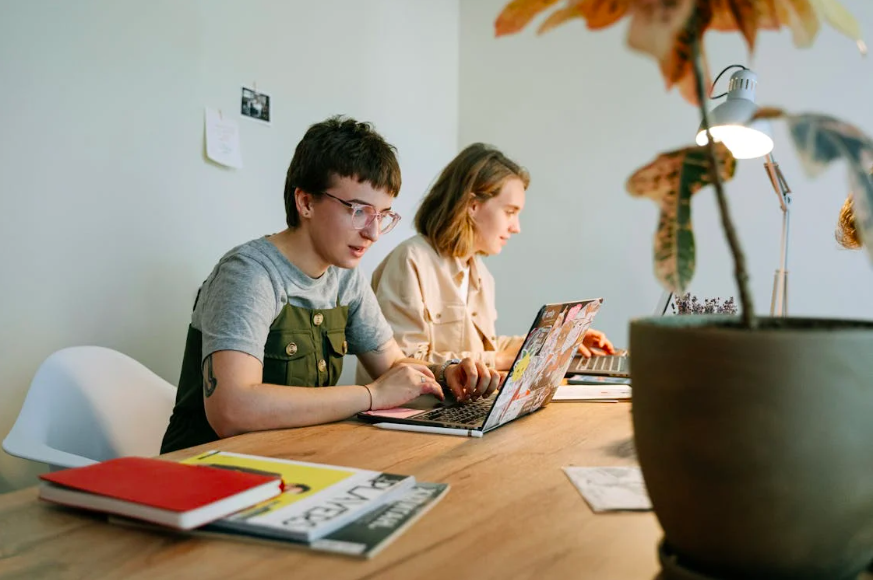
The foundation of any effective homeschool space is functionality. Start by choosing a consistent location where learning materials can stay accessible. This might be a dedicated room, a corner of the living room, or even a shared table that transforms into a learning hub during the day.
Lighting is a key consideration. Natural light supports alertness and reduces eye strain, especially during reading and typing activities. If natural light is limited, use adjustable lamps to ensure screens, books, and notebooks are well lit without glare.
Furniture should support comfort and posture. Desks and chairs that allow children to sit with feet flat on the floor and elbows at a comfortable angle help prevent fatigue. This is especially important for keyboard-based activities. Good posture supports accuracy and endurance during typing practice, reinforcing proper typing posture and ergonomics from an early age.
Organization also plays a major role. Use shelves, bins, or drawers to store supplies so children can easily find what they need. Clear organization reduces distractions and builds responsibility. Labeling materials can even double as a reading and vocabulary exercise for younger learners.
Flexibility is just as important as structure. Consider movable furniture or adjustable desks that adapt to different activities, from handwriting and art projects to online lessons and typing drills. A space that can evolve keeps learning fresh and prevents burnout.
Encouraging Creativity, Focus, and Digital Skills
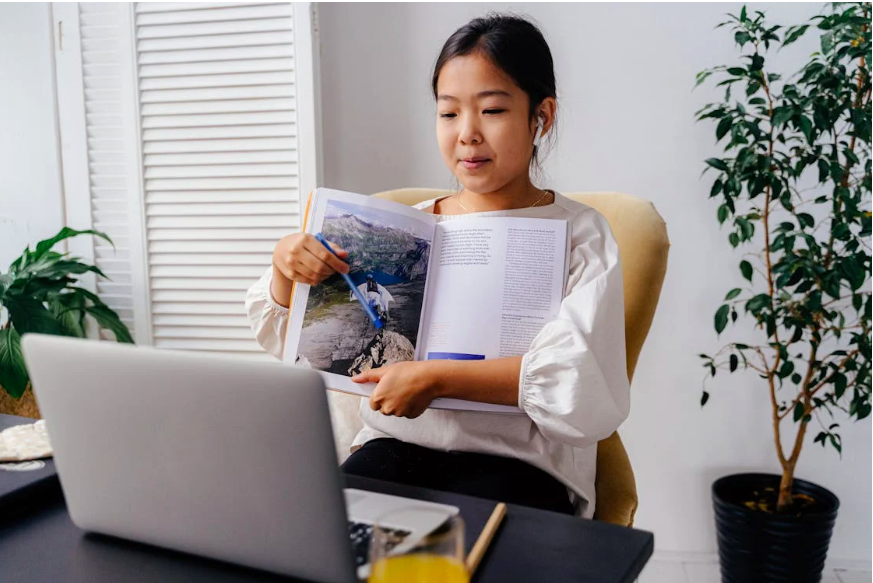
An inspiring homeschool space balances focus with creativity. Visual elements like educational posters, artwork, or a rotating display of student work can motivate learners without overwhelming them. Keep decorations purposeful to avoid visual clutter that competes for attention.
Technology is often central to homeschooling, so it deserves thoughtful placement. Computers or tablets should be positioned at eye level to support healthy screen habits. Keeping devices in shared or visible spaces encourages accountability and reinforces safe and responsible digital learning habits for children.
Typing is a foundational skill in modern education, and a supportive environment makes practice more effective. A quiet, comfortable space helps students concentrate on rhythm, accuracy, and speed without unnecessary distractions. When typing becomes part of the daily routine, children gain confidence using digital tools for writing, research, and communication.
Sound management is another factor. Soft background noise or noise-canceling headphones can help some learners focus, while others benefit from silence. Observing how each child responds allows parents to adjust the environment to individual needs.
Break areas are also valuable. A small reading nook or open space for movement reminds children that learning includes rest and reflection. Short breaks help reset attention, making it easier to return to tasks like typing or online lessons with renewed focus.
Master Typing & Digital Skills with Typesy!
Go beyond keyboarding—Typesy helps you boost digital literacy, productivity, and efficiency in today’s tech-driven world.



Making the Space Work for the Whole Family
Homeschool spaces often serve multiple learners and purposes, so clear routines help maintain balance. Establish expectations for tidying up at the end of the day to keep the space welcoming and ready for the next session.
Parents can model positive habits by using the space occasionally for their own planning or learning. This shows children that education is ongoing and valued at every age. Shared learning environments also open opportunities for discussions about building digital literacy at home, from online research skills to respectful communication.
Revisiting the setup throughout the year is essential. As children grow, their needs change. A space that worked for early readers may need adjustments to support longer typing sessions or independent projects. Regular updates keep the environment aligned with learning goals.
Most importantly, an inspiring homeschool space should feel supportive, not rigid. When children feel comfortable and empowered in their learning environment, they are more likely to stay engaged, curious, and confident. A well-designed space becomes a quiet partner in their educational journey, reinforcing both academic skills and lifelong habits.
Not on Typesy Yet? You're Missing Out!
Master typing, boost productivity, and enhance digital literacy with Typesy—the leading platform for adaptive and engaging typing education. Whether you're an individual learner, a homeschool educator, or managing a classroom, Typesy has the perfect solution for you!
Choose Your Ideal Experience:
 Get Started with Typesy Today! – Transform the way you learn and teach typing!