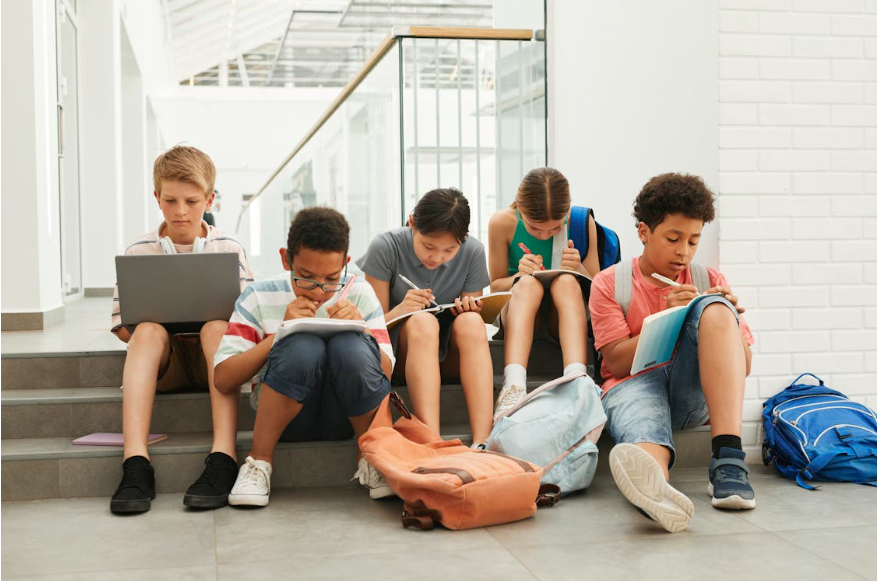
The careers today’s students will hold in the future may not even have names yet. Technology, automation, and global change are reshaping the workforce faster than traditional education models can keep up. That’s why learning agility— the ability to learn, unlearn, and relearn—has become one of the most important 21st century skills.
Learning agility prepares students to adapt confidently to new tools, new expectations, and new environments. Instead of focusing only on memorizing information, agile learners develop habits that help them grow alongside change. This mindset is essential for long-term success in school, work, and life.
What Learning Agility Looks Like in Practice
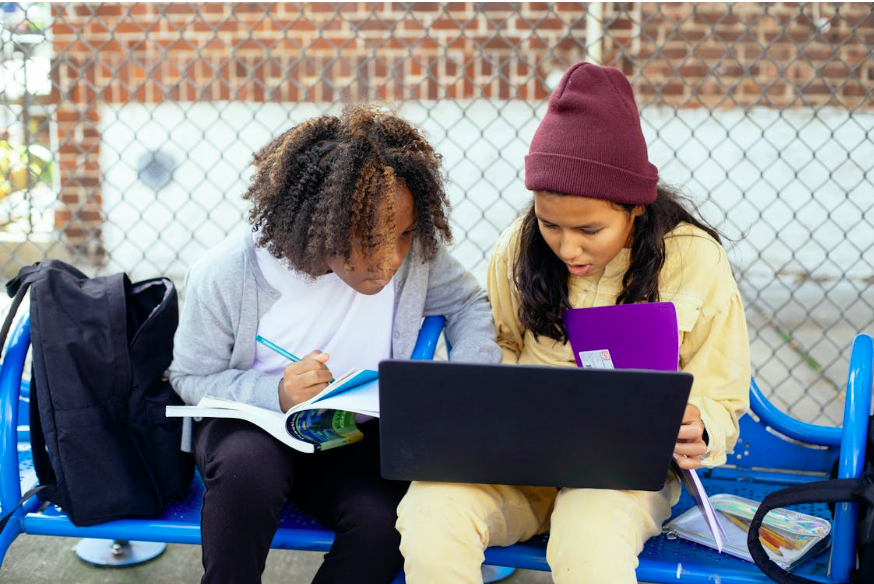
Learning agility is not about knowing everything. It’s about being comfortable with not knowing—yet. Agile learners ask questions, seek feedback, and experiment with new approaches when old ones stop working. They understand that skills must evolve over time.
In the classroom, this shows up when students move between platforms, assignments, and devices with confidence. Typing plays a critical role here. When students can type efficiently, they can focus on problem-solving instead of struggling with mechanics. Strong keyboard skills make it easier to research, collaborate, and communicate ideas clearly in digital spaces. This is why touch typing as a transferable skill supports learning agility across subjects.
Learning agility also involves reflection. Students who review what worked, what didn’t, and why are better prepared to adjust their strategies. Digital tools make this easier by allowing students to track progress, revisit past work, and organize ideas efficiently.
Another key element is curiosity. Agile learners explore beyond instructions and take ownership of their learning. This naturally builds confidence, especially when students realize they can figure things out on their own. When supported by consistent typing practice, curiosity turns into productivity rather than frustration.
Just as important is ethical awareness. As students explore new platforms and technologies, they must learn how to navigate them responsibly. Understanding privacy, security, and online behavior is part of becoming adaptable without being careless. Developing responsible digital citizenship ensures that agility is paired with good judgment.
Master Typing & Digital Skills with Typesy!
Go beyond keyboarding—Typesy helps you boost digital literacy, productivity, and efficiency in today’s tech-driven world.



How Schools and Families Can Build Learning Agility

Learning agility doesn’t happen by accident. It grows through intentional habits and supportive environments. One of the simplest ways to encourage it is to normalize change. When tools, routines, or expectations shift, explain why. This helps students see adaptation as a skill rather than a disruption.
Typing instruction should be treated as a foundation, not an afterthought. When students type comfortably and accurately, they are more willing to experiment with new software, platforms, and workflows. This makes learning new software quickly far less intimidating and supports independence.
Encouraging short, consistent practice sessions is more effective than occasional long ones. Daily typing practice, reflective journaling, or brief research tasks help reinforce adaptability while keeping stress low. These small habits compound over time into confidence and competence.
Project-based learning also supports agility. When students work on open-ended projects, they learn to manage uncertainty, revise plans, and seek solutions independently. Digital tools amplify this experience by allowing students to collaborate, test ideas, and present work in multiple formats.
Families can reinforce learning agility at home by encouraging exploration. Let students teach you a new app, explain how a tool works, or troubleshoot a minor tech issue. These moments show that learning is ongoing and that adults adapt too.
Finally, celebrate effort, not just outcomes. Agile learners understand that mistakes are part of growth. When students feel safe to try, fail, and adjust, they become more resilient and future-ready.
Learning agility prepares students not just for their first job, but for every transition that follows. By combining adaptable mindsets with strong typing and digital skills, students gain the confidence to step into a future that’s still being created.
Not on Typesy Yet? You're Missing Out!
Master typing, boost productivity, and enhance digital literacy with Typesy—the leading platform for adaptive and engaging typing education. Whether you're an individual learner, a homeschool educator, or managing a classroom, Typesy has the perfect solution for you!
Choose Your Ideal Experience:
 Get Started with Typesy Today! – Transform the way you learn and teach typing!