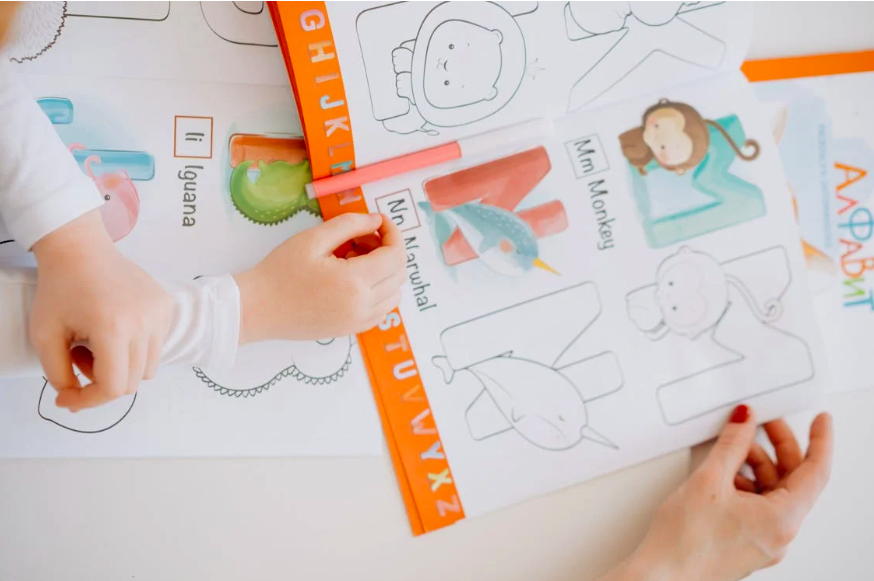
Early homeschool education thrives when learning feels natural, joyful, and meaningful. For young learners, play isn’t a break from learning—it is learning. Through play, children explore ideas, test boundaries, build language, and develop social and emotional skills that support academic growth later on.
In a homeschool setting, play-based learning offers flexibility and responsiveness that traditional classrooms often struggle to provide. Parents can follow a child’s curiosity, adapt activities in real time, and create an environment where learning unfolds organically. This foundation supports not only early literacy and numeracy, but also emerging digital skills that will matter as children grow.
Why Play Is Essential in Early Learning
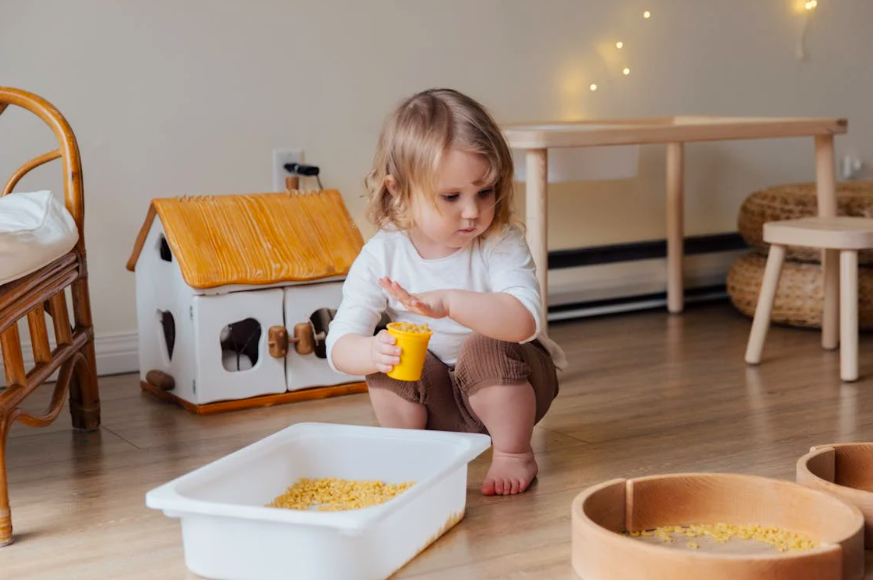
Play supports nearly every area of early development. When children build with blocks, role-play stories, or solve simple puzzles, they’re developing problem-solving skills, coordination, and communication—all without formal instruction.
Cognitive development flourishes through imaginative play. Children learn cause and effect, sequencing, and decision-making by experimenting freely. These experiences lay the groundwork for later academic skills, including reading, writing, and even typing.
Play also supports emotional growth. Through games and pretend scenarios, children learn to manage feelings, cooperate, and express ideas. These experiences contribute to social-emotional learning in early education, helping children build confidence and resilience.
In homeschooling, play can be intentionally integrated into daily routines. Storytime can include acting out scenes. Math can involve sorting toys or counting steps. Science can emerge from outdoor exploration. These playful experiences make learning memorable and meaningful.
As children approach early elementary ages, play can gently introduce technology. Simple digital activities—used thoughtfully—can support curiosity without overwhelming young learners. For example, typing their name or short words during a game-like activity introduces keyboard familiarity in a low-pressure way.
The key is balance. Play-based learning doesn’t rush children into formal academics. Instead, it builds readiness by strengthening attention, coordination, and language—skills that support future learning, including structured typing practice later on.
Master Typing & Digital Skills with Typesy!
Go beyond keyboarding—Typesy helps you boost digital literacy, productivity, and efficiency in today’s tech-driven world.



Blending Play With Early Academic and Digital Skills
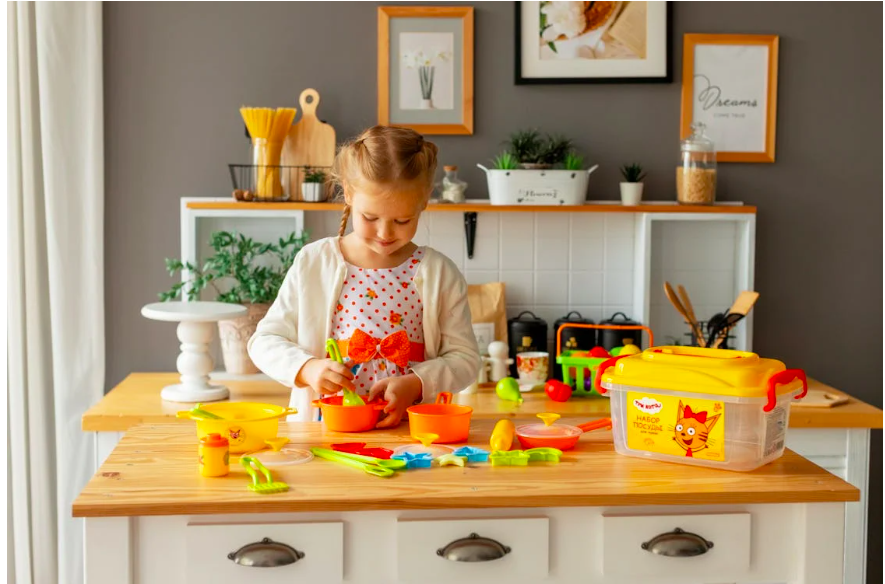
As children grow, play can evolve to include light structure while remaining engaging. Games that involve patterns, matching, or storytelling naturally support early literacy and numeracy. These activities also prepare children for more formal learning without sacrificing joy.
Typing can be introduced gradually and playfully. At early stages, typing isn’t about speed or accuracy—it’s about exploration. Letting children press keys, recognize letters, or type simple words within games supports foundational typing readiness without turning it into a chore.
Digital tools, when used intentionally, can complement hands-on play. Interactive stories, drawing apps, or simple logic games can reinforce concepts learned offline. The goal is not screen time for its own sake, but purposeful engagement that supports development.
Parents play an important role in modeling balance. Discussing when and why devices are used helps children develop healthy early digital habits. This awareness sets expectations that technology is a tool for learning, creativity, and communication—not constant entertainment.
Play-based learning also allows for observation and adjustment. Parents can notice which activities spark curiosity and which cause frustration, then adapt accordingly. This responsiveness is one of homeschooling’s greatest strengths.
Importantly, play supports attention span. Children who are allowed to explore and engage deeply in play often develop stronger focus over time. This focus later translates into readiness for seated tasks like reading, writing, and typing.
Early homeschool education doesn’t need to look like school to be effective. By honoring play as a central learning strategy, families create an environment where children feel safe to explore, make mistakes, and grow. These experiences build a strong foundation for academic success, digital literacy, and lifelong learning.
Play nurtures curiosity. Curiosity fuels learning. And in homeschooling, that combination is powerful.
Not on Typesy Yet? You're Missing Out!
Master typing, boost productivity, and enhance digital literacy with Typesy—the leading platform for adaptive and engaging typing education. Whether you're an individual learner, a homeschool educator, or managing a classroom, Typesy has the perfect solution for you!
Choose Your Ideal Experience:
 Get Started with Typesy Today! – Transform the way you learn and teach typing!