
In the 21st century, success is about more than academic knowledge—it requires strong interpersonal and problem-solving skills. Teaching students how to negotiate effectively equips them to resolve conflicts, collaborate with peers, and navigate both school and future workplace situations. When students learn to find win-win solutions, they develop confidence, empathy, and practical strategies for real-life challenges.
Negotiation isn’t just about talking; it’s about listening, understanding, and crafting solutions that satisfy everyone involved. For young learners, this can be integrated into classroom activities, group projects, and even digital learning exercises. Incorporating typing into negotiation simulations, such as drafting emails or proposals, also helps students practice touch typing skills, combining communication proficiency with practical keyboard fluency.
Strategies for Teaching Negotiation

To cultivate negotiation skills, educators and parents can implement several key strategies:
- Model Win-Win Thinking: Demonstrate how solutions can meet multiple needs simultaneously, emphasizing collaboration over competition.
- Role-Playing Exercises: Simulate scenarios where students must negotiate outcomes, such as sharing resources in a group project or mediating peer conflicts.
- Active Listening Practice: Teach students to listen carefully, summarize points, and ask clarifying questions—essential steps for effective negotiation.
Digital tools can enhance these activities. Students can use online collaboration platforms to plan proposals, track changes, and even practice negotiating virtually. This introduces digital literacy skills while reinforcing clear written communication. Encouraging students to type out their negotiation plans and summaries also strengthens their typing accuracy and speed.
Master Typing & Digital Skills with Typesy!
Go beyond keyboarding—Typesy helps you boost digital literacy, productivity, and efficiency in today’s tech-driven world.



Another effective method is integrating reflective discussions after negotiations. Students can analyze what worked, what didn’t, and how alternative approaches could produce better outcomes. This not only builds critical thinking but also encourages accountability and self-awareness. Typing reflection notes and recording progress digitally merges negotiation skill-building with digital communication practices, reinforcing both soft skills and practical computer proficiency.
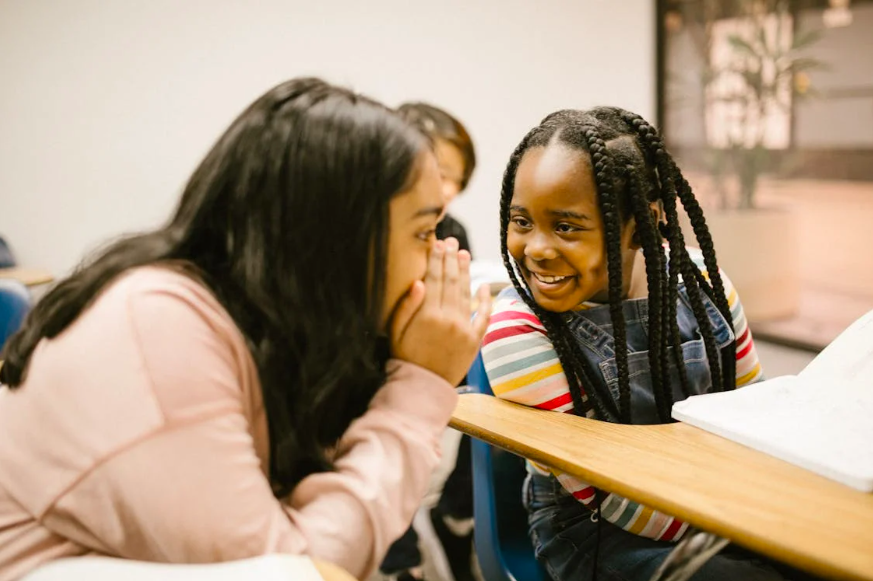
Parents and teachers can support students by providing feedback, praising collaborative solutions, and highlighting instances where negotiation led to positive results. Over time, students learn to approach conflicts calmly and constructively, valuing relationships as much as outcomes. Regular practice in structured exercises or everyday situations ensures these skills become habitual.
By combining negotiation lessons with typing practice, students gain an integrated learning experience: they develop strategic thinking, enhance communication skills, and improve digital competency. These abilities prepare them for collaborative classrooms, online interactions, and professional environments, where negotiation and clear written communication are essential.
Incorporating negotiation skill-building in education doesn’t just improve student outcomes; it fosters lifelong competencies. Students who can negotiate successfully are more confident, empathetic, and prepared for diverse challenges, all while benefiting from strengthened typing and digital skills.
Not on Typesy Yet? You're Missing Out!
Master typing, boost productivity, and enhance digital literacy with Typesy—the leading platform for adaptive and engaging typing education. Whether you're an individual learner, a homeschool educator, or managing a classroom, Typesy has the perfect solution for you!
Choose Your Ideal Experience:
 Get Started with Typesy Today! – Transform the way you learn and teach typing!