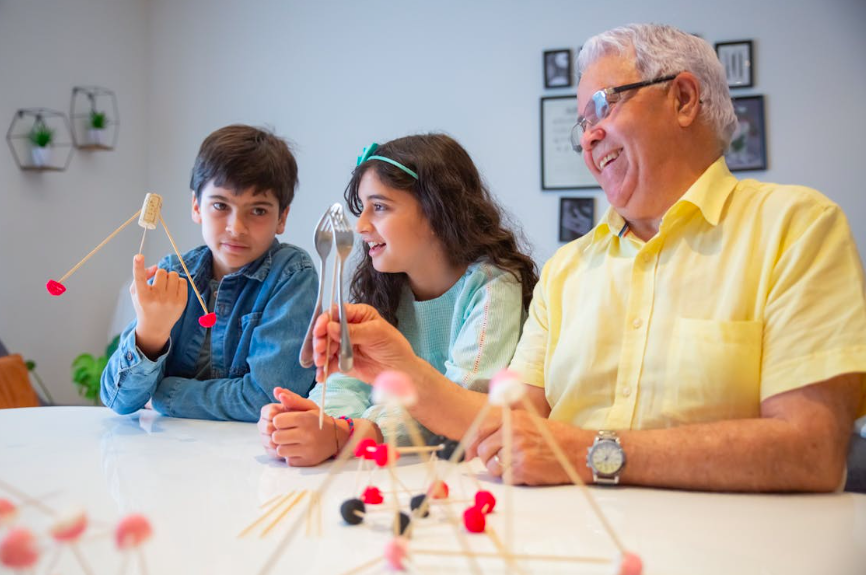
Project-based learning (PBL) is one of the most effective ways to help homeschooled students stay motivated, engaged, and eager to explore big ideas. Instead of focusing only on worksheets or traditional lessons, PBL allows learners to dive into meaningful tasks that connect directly to real-world problems. This approach builds independence, strengthens critical thinking, and encourages students to take ownership of their learning.
One added bonus: many projects naturally integrate technology—giving students opportunities to practice research, digital creation, and even strong typing skills as they document their work.
Why Project-Based Learning Works at Home
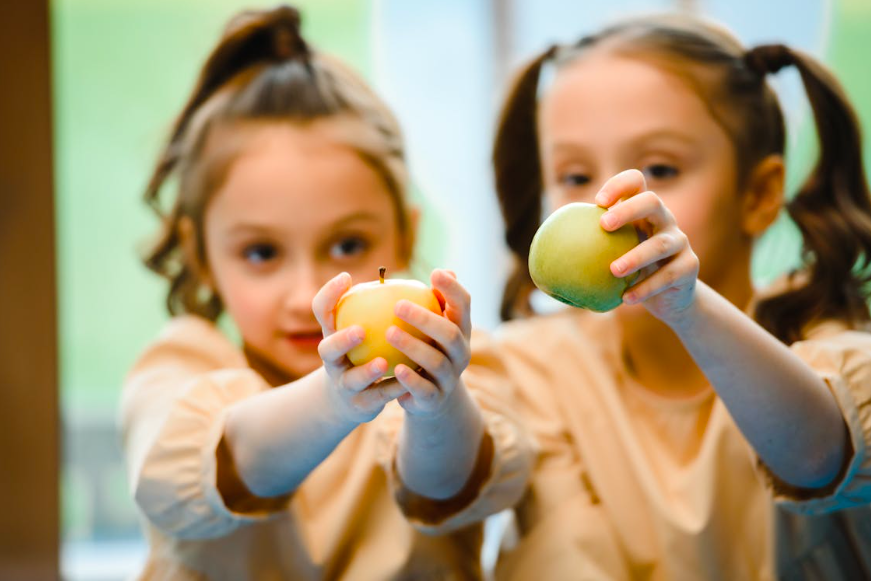
PBL thrives in homeschooling because it gives families the freedom to explore interests at the student’s pace. Whether your learner is fascinated by ecosystems, robotics, food science, or storytelling, you can design projects that allow them to investigate deeply and creatively.
A typical project encourages students to ask questions, conduct research, analyze information, and present what they’ve discovered. This process supports responsible online research, helping students develop the judgment they need to navigate digital spaces effectively.
PBL also strengthens communication skills. Presenting findings—whether through a slideshow, a video, or a written report—helps students practice everything from structuring ideas to refining their digital outputs. These tasks often require typing, giving learners regular practice with accuracy and fluency.
To make a project even more impactful, encourage learners to collaborate with family members or online peers. Working together helps them grow better digital collaboration habits, which are essential in today’s connected world.
Master Typing & Digital Skills with Typesy!
Go beyond keyboarding—Typesy helps you boost digital literacy, productivity, and efficiency in today’s tech-driven world.



How to Bring Project-Based Learning Into Your Homeschool
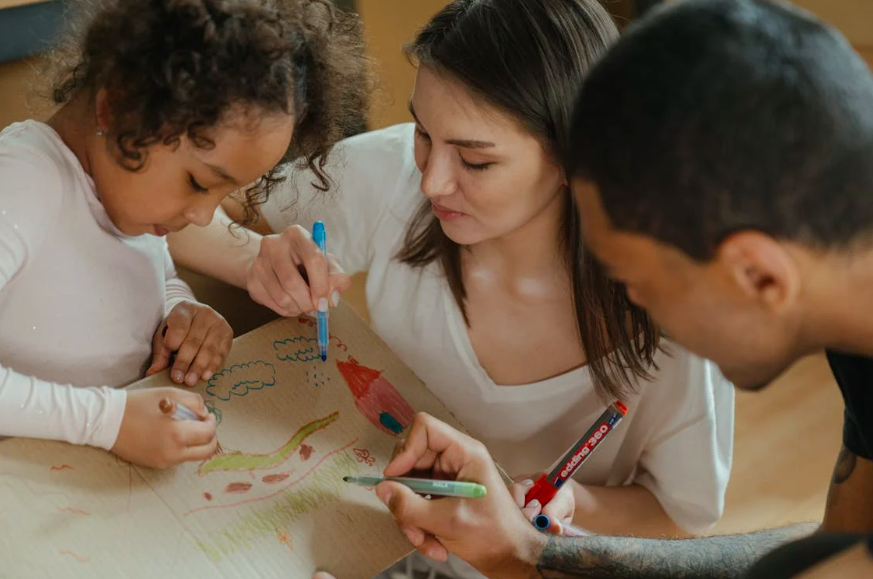
You don’t need special materials or advanced tools to get started with PBL. Begin with a big guiding question—something open-ended, interesting, and flexible enough to explore from many angles. Questions like “How can we reduce waste at home?” or “What makes a community safe and healthy?” invite thoughtful investigation.
Next, help your student outline the steps they’ll take. They might gather information from books, websites, interviews, or observations. Make sure to teach them how to evaluate credible sources, keep research notes organized, and trace ideas back to reliable references.
As the project develops, guide your learner in creating a final product. This could be a model, a written report, a presentation, or even a short documentary. Typing skills come in handy during this stage, especially when students put together scripts, reports, or digital posters.
The last step is reflection. Ask your child what they learned, what challenges they faced, and what they might do differently next time. This helps deepen understanding and encourages a growth mindset.
With time, PBL becomes a natural and enjoyable part of homeschooling—one that supports academic growth, creativity, and digital readiness.
Not on Typesy Yet? You're Missing Out!
Master typing, boost productivity, and enhance digital literacy with Typesy—the leading platform for adaptive and engaging typing education. Whether you're an individual learner, a homeschool educator, or managing a classroom, Typesy has the perfect solution for you!
Choose Your Ideal Experience:
 Get Started with Typesy Today! – Transform the way you learn and teach typing!