
Homeschooling gives families a unique advantage: the ability to nurture not just academic growth but emotional and mental resilience too. A growth mindset—the belief that abilities can be developed through effort and learning—is one of the most valuable skills a homeschooled child can have.
Unlike traditional classrooms, homeschooling offers flexibility and personalized learning. This means parents can directly shape their children’s mindset toward challenges, setbacks, and success. Teaching a growth mindset early helps children stay motivated, persistent, and confident, whether they’re tackling math, language arts, or typing practice.
Understanding the Growth Mindset

The term “growth mindset” was coined by psychologist Carol Dweck, who found that students who believed intelligence could be developed were more likely to succeed. In homeschooling, this principle plays out beautifully. Without rigid grading systems or external comparisons, children can focus on progress rather than perfection.
A child with a growth mindset sees effort as a path to mastery, not as a sign of failure. For instance, when learning touch typing, they may make mistakes at first—but instead of getting discouraged, they recognize that accuracy and speed come with practice. Parents can model this attitude by praising persistence (“You worked hard on that!”) instead of natural ability (“You’re so smart!”).
One simple way to reinforce this is by setting learning goals that emphasize improvement. Instead of saying, “Type 40 words per minute,” say, “Let’s improve your speed by five words this week.” This shift encourages focus on effort, not outcome—something that keeps motivation high in a home learning environment.
Master Typing & Digital Skills with Typesy!
Go beyond keyboarding—Typesy helps you boost digital literacy, productivity, and efficiency in today’s tech-driven world.



Practical Ways to Cultivate a Growth Mindset
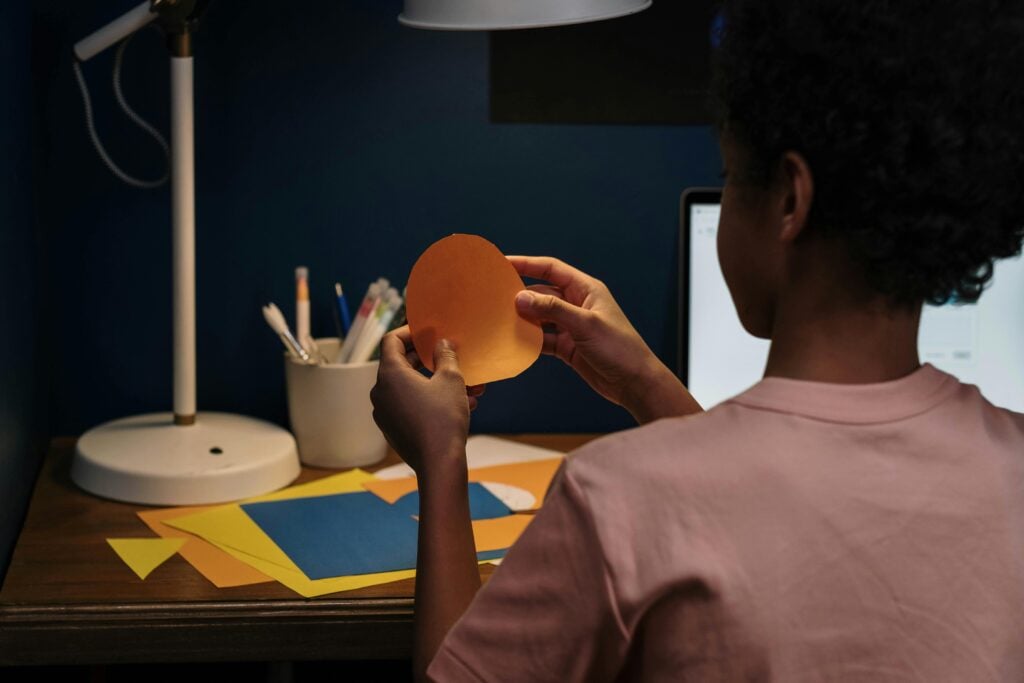
Developing a growth mindset isn’t a one-time lesson; it’s a consistent practice built into your homeschooling routine. Here are several strategies that make it natural and effective:
1. Celebrate Mistakes as Learning Opportunities
Mistakes are part of learning, whether your child is writing an essay, solving a math problem, or practicing typing drills. Encourage reflection by asking, “What did you learn from this?” or “What will you try differently next time?” This reinforces that errors are stepping stones to mastery.
2. Model Lifelong Learning
Children often mirror the attitudes of their parents. When they see you exploring new skills—like learning new software or improving your own digital literacy—they learn that growth is continuous and exciting.
3. Encourage Independent Problem-Solving
Give your child space to figure things out before offering help. When they troubleshoot an issue with their online lessons or research resources for a project, they strengthen both confidence and curiosity. This independence is key to building digital education skills that will serve them in later academic or professional environments.
4. Integrate Technology Wisely
Digital tools can support mindset growth when used intentionally. Apps like Typesy, for example, allow children to track progress and visualize improvement—turning effort into measurable success. These tools promote a sense of accomplishment while helping students develop essential typing proficiency and computer skills for the modern world.
5. Create a Feedback-Rich Environment
Constructive feedback helps children connect effort with improvement. Instead of vague praise, point out specific actions: “You kept practicing your posture and now your typing accuracy has improved.” This kind of feedback builds resilience and reinforces a love of learning.
Turning Challenges into Opportunities
One of the greatest advantages of homeschooling is the flexibility to adjust when things get tough. If a child struggles with motivation, use that as a teaching moment about perseverance. Show them that every challenge is an opportunity to grow stronger and more capable.
Encourage reflection at the end of each week: What was difficult? What progress did you make? This builds self-awareness and responsibility—traits that will help them not only in academics but in life.
Over time, children begin to understand that success doesn’t come from being the “best,” but from being consistent, curious, and resilient. With this mindset, homeschooled learners become confident problem-solvers—ready to take on new technologies, subjects, and life experiences with enthusiasm.
Not on Typesy Yet? You're Missing Out!
Master typing, boost productivity, and enhance digital literacy with Typesy—the leading platform for adaptive and engaging typing education. Whether you're an individual learner, a homeschool educator, or managing a classroom, Typesy has the perfect solution for you!
Choose Your Ideal Experience:
 Get Started with Typesy Today! – Transform the way you learn and teach typing!