
Children today grow up surrounded by screens, apps, and online platforms that shape how they learn, communicate, and socialize. For parents, this can feel overwhelming. Digital literacy is no longer just a school topic—it’s a life skill that families build together. When parents understand the online world and actively guide their children, they help create confident, capable, and responsible digital citizens.
Digital literacy for parents isn’t about mastering every new app or trend. It’s about understanding core principles: safety, communication, critical thinking, and foundational skills like typing. With the right approach, parents can turn everyday digital experiences into meaningful learning moments.
Building a Strong Foundation at Home

One of the most important steps parents can take is establishing clear expectations around technology use. This includes setting screen-time boundaries, discussing appropriate online behavior, and modeling healthy digital habits. Children learn as much from observing adults as they do from direct instruction.
Conversations about online safety should start early and evolve as children grow. Topics such as protecting personal information, recognizing suspicious messages, and understanding digital footprints help children make safer choices online. These discussions are most effective when they’re ongoing rather than reactive.
Parents can also support safe and responsible online habits by exploring digital tools together. Co-viewing videos, playing educational games, or reviewing apps as a family opens the door to discussion and trust. When children feel comfortable asking questions, they’re more likely to seek help when something doesn’t feel right online.
Typing is another essential part of a strong digital foundation. While many children use tablets and phones early on, structured keyboard use often comes later. Encouraging proper typing skills helps children communicate clearly, complete schoolwork efficiently, and build confidence using computers. Touch typing, in particular, supports focus and reduces frustration during writing-heavy tasks.
Simple activities—such as journaling, emailing relatives, or typing short stories—can reinforce typing skills at home. These experiences show children that typing isn’t just a school requirement; it’s a practical skill they’ll use throughout life.
Master Typing & Digital Skills with Typesy!
Go beyond keyboarding—Typesy helps you boost digital literacy, productivity, and efficiency in today’s tech-driven world.



Guiding Children as Digital Skills Grow
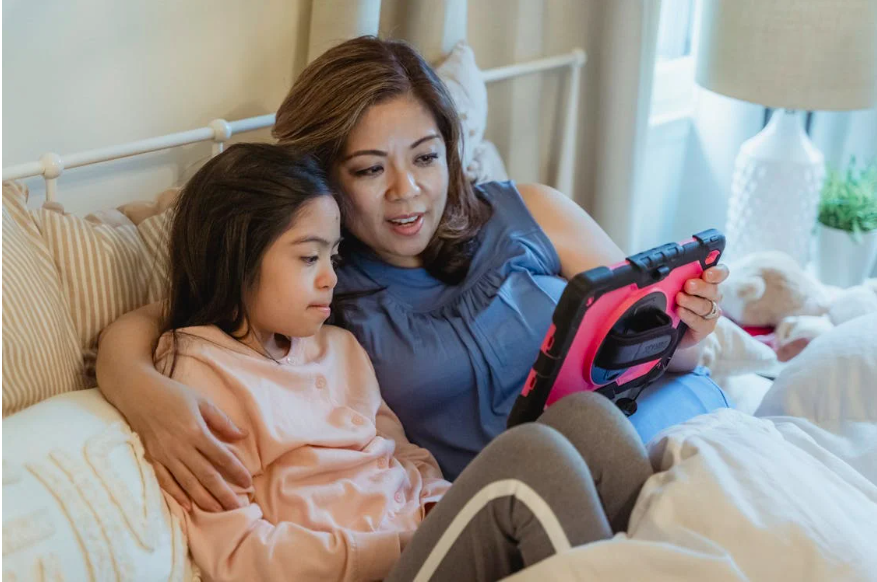
As children become more independent online, parental guidance shifts from direct supervision to coaching and support. This stage is where digital literacy truly takes shape. Parents can help children evaluate online content, understand advertising, and think critically about what they read and watch.
Teaching children how to verify information and question sources strengthens their critical thinking. These skills are especially important in a world of social media, viral content, and AI-generated information. Helping children pause, reflect, and ask questions empowers them to navigate the internet thoughtfully.
Typing continues to play a role as digital demands increase. Older students often juggle essays, presentations, research projects, and online discussions. Strong typing skills allow them to focus on ideas rather than mechanics, supporting building typing confidence for school success. When typing becomes automatic, children can express themselves more clearly and keep up with academic expectations.
Parents can also introduce basic productivity skills, such as organizing files, using cloud storage responsibly, and managing passwords. These lessons reinforce core digital literacy skills for families and prepare children for more advanced learning environments.
Equally important is emotional well-being. Online interactions can impact self-esteem and mental health. Parents should encourage balance—reminding children that offline activities, rest, and face-to-face relationships matter just as much as digital ones. Open conversations about online experiences, both positive and negative, help children process what they encounter.
Digital literacy is not about restriction alone; it’s about empowerment. When children understand how digital tools work and why certain rules exist, they’re more likely to make responsible choices even when parents aren’t present.
Growing Together in the Digital Age
Guiding children through the online world is an ongoing journey. Technology will continue to change, but the core principles of digital literacy remain the same: safety, responsibility, communication, and skill-building. Parents don’t need to have all the answers—they just need to stay engaged, curious, and supportive.
By prioritizing conversations about online behavior, encouraging strong typing habits, and learning alongside their children, parents help create a positive digital environment at home. These efforts build trust, confidence, and resilience that extend far beyond the screen.
Not on Typesy Yet? You're Missing Out!
Master typing, boost productivity, and enhance digital literacy with Typesy—the leading platform for adaptive and engaging typing education. Whether you're an individual learner, a homeschool educator, or managing a classroom, Typesy has the perfect solution for you!
Choose Your Ideal Experience:
 Get Started with Typesy Today! – Transform the way you learn and teach typing!