In today’s fast-paced, always-connected world, self-management has become one of the most important 21st century skills students can develop. Balancing goals, deadlines, and personal well-being isn’t just about working harder—it’s about working smarter, using the right strategies and digital tools to stay focused, healthy, and productive.
For students who spend much of their day online, self-management also includes how they type, plan, and interact with digital environments. When taught intentionally, these skills create a foundation for long-term academic success and personal confidence.
Turning Goals and Deadlines Into Clear Action
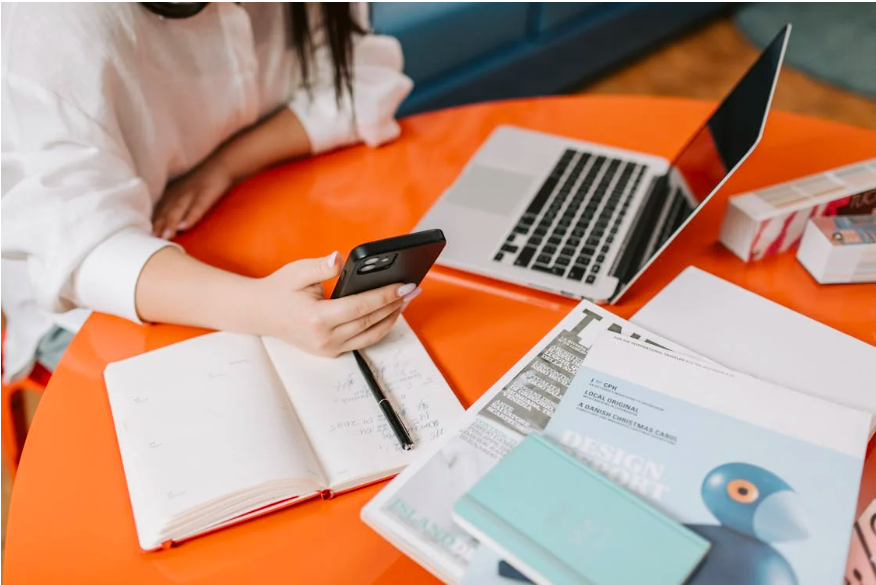
Self-management begins with clarity. Students who understand their goals and deadlines are better equipped to prioritize tasks and avoid last-minute stress. Digital tools such as planners, calendars, and task lists make this process more visible and manageable.
Typing plays an important role here. When students regularly type out their goals, assignments, and study plans, they engage more actively with their responsibilities. Typing forces ideas to slow down just enough for reflection, helping learners think through what truly needs attention. Over time, this supports goal-setting and planning in digital spaces, a skill that transfers easily from school to future careers.
Breaking larger goals into smaller, typed action steps can also reduce overwhelm. Instead of seeing one massive deadline, students see a series of manageable tasks. This approach builds consistency and reinforces the idea that progress happens incrementally.
Time-blocking is another helpful strategy. By assigning specific times to tasks—whether homework, typing practice, or breaks—students learn to respect both their commitments and their limits. This structure supports accountability while still leaving room for flexibility.
Master Typing & Digital Skills with Typesy!
Go beyond keyboarding—Typesy helps you boost digital literacy, productivity, and efficiency in today’s tech-driven world.



Supporting Well-Being in a Digital Learning World

True self-management isn’t only about productivity; it’s also about well-being. Students who ignore rest, posture, or screen habits may meet deadlines but struggle with burnout. Teaching learners to care for their physical and mental health is essential for sustainable success.
Typing posture and ergonomics are a great place to start. Simple habits—such as sitting upright, taking short breaks, and positioning the keyboard correctly—help prevent fatigue and discomfort. These practices connect directly to healthy typing habits for students, ensuring that skill-building doesn’t come at the expense of physical health.
Mental well-being matters just as much. Digital environments can be distracting and demanding, making it harder for students to focus. Encouraging learners to manage notifications, set boundaries around screen time, and create distraction-free workspaces empowers them to stay in control of their attention.
Reflection is another powerful self-management tool. Short, typed reflections at the end of the day or week help students evaluate what worked and what didn’t. Questions like “Did I manage my time well?” or “What caused unnecessary stress?” promote self-awareness and emotional regulation.
Importantly, students should be reminded that rest is productive. Scheduling breaks, sleep, and offline activities into digital planners reinforces the idea that well-being is part of achievement—not something separate from it.
Building Lifelong Self-Management Skills
Self-management is not a one-time lesson; it’s a habit developed over time. Consistent routines help students internalize these skills until they become automatic. Short daily typing sessions, regular planning check-ins, and weekly reflections can make a significant difference.
Educators and parents play a key role by modeling balanced behavior. When students see adults managing deadlines calmly, typing efficiently, and taking breaks without guilt, they learn that success doesn’t require constant pressure.
Digital literacy also intersects with self-management. Knowing how to store files, protect personal information, and use tools responsibly supports independence and confidence online. These practices reinforce responsible use of digital learning tools, preparing students for more complex digital environments in the future.
As students strengthen their self-management skills, they gain more than academic benefits. They develop confidence, resilience, and a sense of control over their learning. Typing becomes more than a technical skill—it becomes a gateway to clearer thinking, better organization, and healthier digital habits.
By teaching students how to balance goals, deadlines, and well-being, we equip them with skills that extend far beyond the classroom. In a digital world full of demands, self-management is what turns potential into lasting success.
Not on Typesy Yet? You're Missing Out!
Master typing, boost productivity, and enhance digital literacy with Typesy—the leading platform for adaptive and engaging typing education. Whether you're an individual learner, a homeschool educator, or managing a classroom, Typesy has the perfect solution for you!
Choose Your Ideal Experience:
 Get Started with Typesy Today! – Transform the way you learn and teach typing!