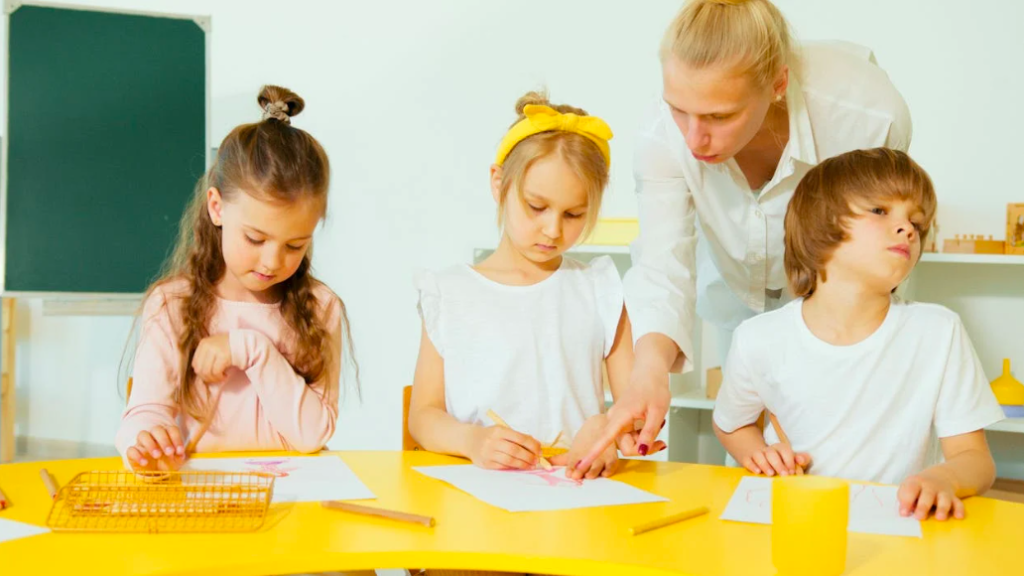
Homeschooling offers families a unique opportunity to learn together—but when siblings are involved, collaboration doesn’t always come naturally. Different ages, personalities, and learning styles can lead to competition or conflict if lessons aren’t thoughtfully structured. The good news? With the right strategies, sibling collaboration can become one of the most powerful advantages of homeschooling.
When children learn to work together, they develop communication, empathy, and shared responsibility. These skills don’t just support academic growth—they prepare students for future teamwork in digital classrooms, workplaces, and everyday life.
Why Collaboration Matters in Homeschooling
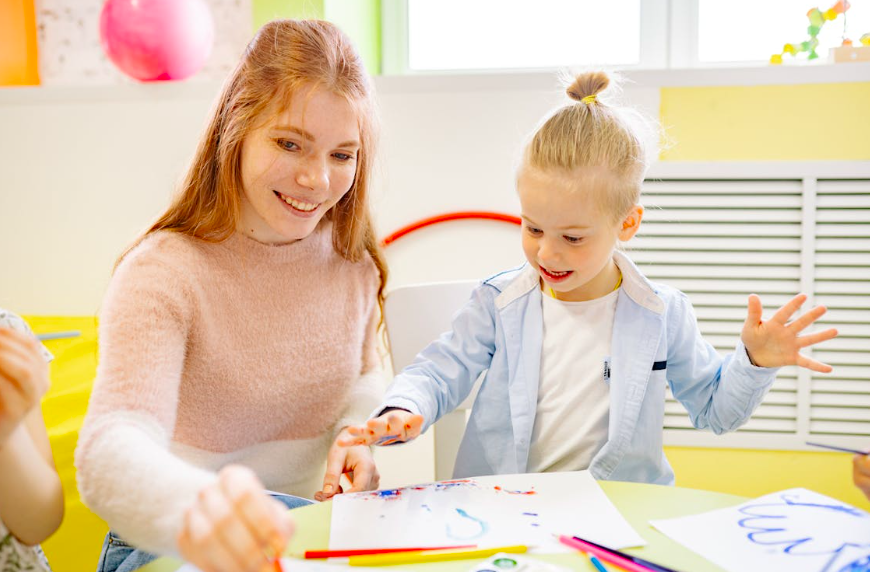
Collaboration helps children move beyond individual achievement and toward shared understanding. In a homeschool environment, siblings often spend more time together than peers in traditional classrooms, making collaboration both a challenge and an opportunity.
Working together encourages older siblings to reinforce their knowledge by teaching concepts, while younger learners gain confidence through peer support. This dynamic supports collaborative learning skills, which are essential for problem-solving and critical thinking.
Collaboration also builds emotional intelligence. Children learn how to listen, negotiate roles, and resolve disagreements respectfully. These moments—while sometimes messy—are valuable learning experiences that mirror real-world teamwork.
Typing-based activities are a great example of how collaboration can work across age groups. One child might dictate ideas while another types, or siblings can take turns practicing keyboarding skills together. This reinforces both communication and technical ability while keeping lessons interactive.
To make collaboration effective, it’s important to set clear expectations. Establish shared goals, define individual responsibilities, and emphasize that teamwork is about progress, not perfection. When children understand that everyone contributes differently, collaboration feels fair and motivating.
Master Typing & Digital Skills with Typesy!
Go beyond keyboarding—Typesy helps you boost digital literacy, productivity, and efficiency in today’s tech-driven world.



Practical Strategies to Encourage Sibling Teamwork
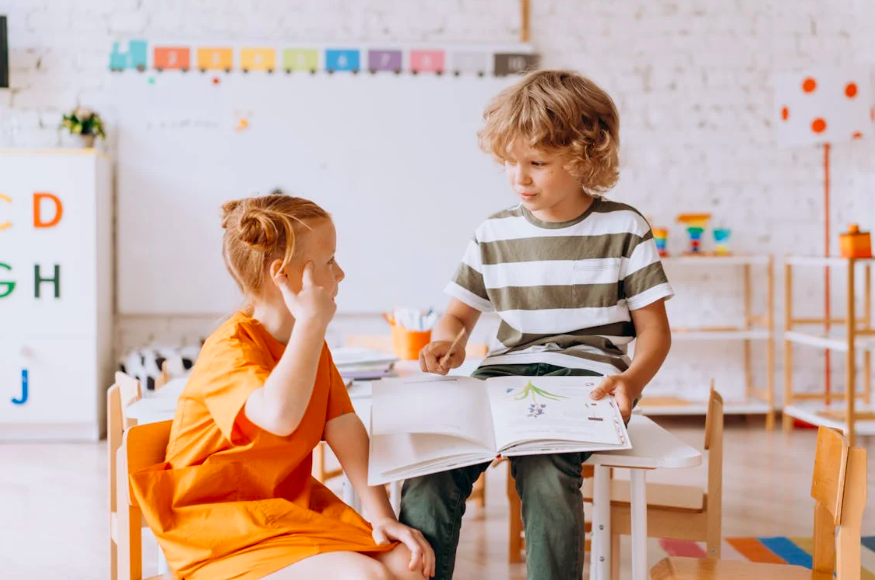
One of the most effective ways to foster collaboration is through shared projects. Group assignments—such as creating a presentation, writing a short story, or researching a topic—encourage siblings to pool their strengths. Digital projects, in particular, offer natural opportunities to practice typing, formatting, and online research together.
Consider rotating roles during lessons. One child might be the “researcher,” another the “typist,” and another the “editor.” This approach highlights digital collaboration tools while ensuring each sibling stays engaged. Rotating roles also prevents one child from dominating the task and helps everyone build new skills.
Technology can be a powerful ally when used intentionally. Shared documents allow siblings to work together in real time, leave comments, and track progress. These tools mirror the collaborative platforms students will encounter later in school and careers, making them a valuable part of digital literacy.
Typing practice can easily become a collaborative routine. Siblings can challenge each other with friendly typing games, track progress together, or proofread each other’s work. This not only builds keyboarding confidence but also reinforces patience and constructive feedback.
It’s equally important to model collaboration as a parent-educator. Demonstrate respectful communication, acknowledge effort, and guide children through conflicts rather than solving problems for them. When disagreements arise, treat them as teachable moments instead of disruptions.
Structure also plays a key role. Set aside specific times for group work and others for independent study. Clear boundaries help siblings understand when collaboration is expected and when personal focus is needed. This balance reduces frustration and supports long-term cooperation.
Finally, celebrate successes—both big and small. Recognizing teamwork reinforces positive behavior and motivates siblings to keep working together. Whether it’s completing a group project or improving typing accuracy as a team, acknowledgment builds momentum.
Homeschooling isn’t just about academics; it’s about preparing children for life beyond the classroom. By intentionally fostering collaboration among siblings, families create an environment where learning feels shared, supportive, and engaging. These experiences help children develop communication skills for digital learning that will serve them well in any educational setting.
Not on Typesy Yet? You're Missing Out!
Master typing, boost productivity, and enhance digital literacy with Typesy—the leading platform for adaptive and engaging typing education. Whether you're an individual learner, a homeschool educator, or managing a classroom, Typesy has the perfect solution for you!
Choose Your Ideal Experience:
 Get Started with Typesy Today! – Transform the way you learn and teach typing!