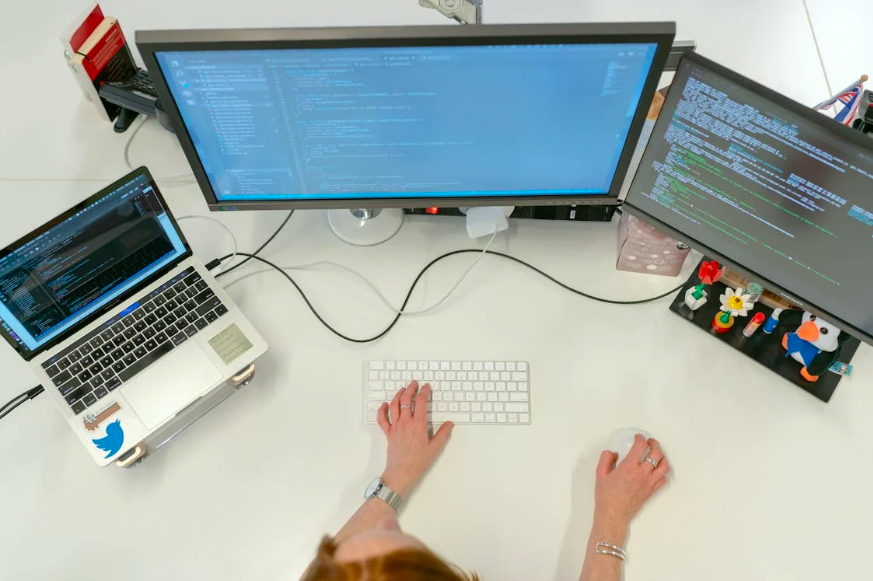
Typing is often taught as a general skill, but not all typing tasks are the same. Coding and data entry demand a higher level of precision, consistency, and focus than everyday writing. In digital learning and modern workplaces, these specialized forms of typing are essential for accuracy, productivity, and long-term success.
Whether learners are entering structured data or writing lines of code, typing becomes a technical tool rather than a simple communication method. Understanding how typing works differently in these contexts helps learners build habits that support accuracy, reduce errors, and improve efficiency.
How Typing Differs in Coding and Data Entry
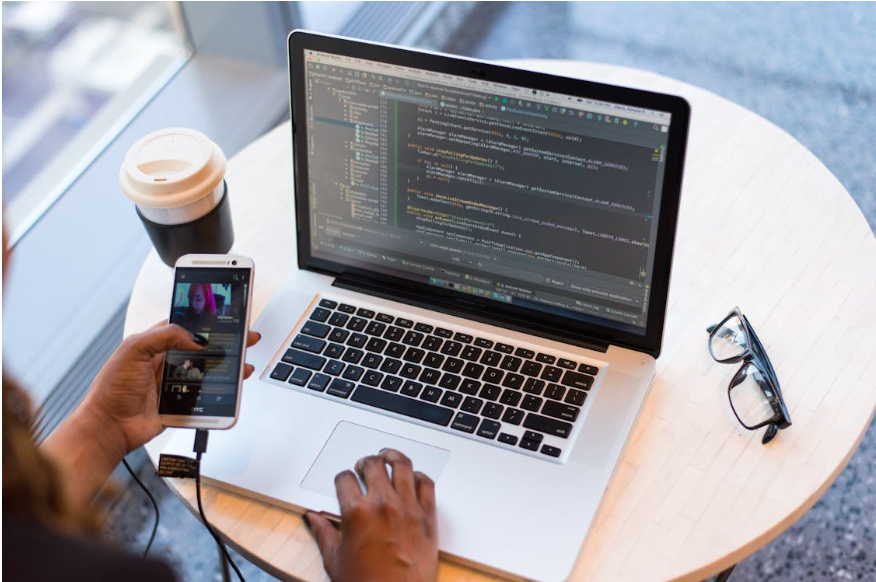
Coding and data entry both rely on typing, but each has distinct demands. Coding requires frequent use of symbols, capitalization, and spacing. A single misplaced character can cause errors that break functionality. Data entry, on the other hand, emphasizes consistency, attention to detail, and speed over long periods.
In both cases, accuracy matters more than raw speed. Learners who rush often spend more time fixing mistakes than progressing. Developing typing accuracy for technical tasks helps reduce frustration and builds confidence when working with complex or repetitive material.
Muscle memory plays a critical role. In coding, learners must become comfortable typing symbols like brackets, slashes, and operators without breaking focus. In data entry, repeated patterns and formats require steady rhythm and reliable keystrokes. Touch typing supports both by keeping attention on the screen rather than the keyboard.
Posture and hand positioning also matter more in specialized typing. Long coding sessions or extended data entry can strain wrists and shoulders if ergonomics are ignored. Proper setup allows learners to sustain focus and maintain accuracy over time.
Typing is also tied closely to problem-solving. In coding, learners often think through logic as they type. Smooth typing keeps ideas flowing without interruption. In data entry, consistent typing supports mental endurance and reduces cognitive fatigue.
Recognizing these differences helps learners adjust expectations. Specialized typing is less about speed tests and more about control, precision, and awareness.
Master Typing & Digital Skills with Typesy!
Go beyond keyboarding—Typesy helps you boost digital literacy, productivity, and efficiency in today’s tech-driven world.



Techniques to Improve Specialized Typing Performance

Improving typing for coding and data entry starts with intentional practice. General typing drills build a foundation, but learners benefit most from exercises that reflect real-world tasks.
For coding, practicing symbol placement and keyboard shortcuts is essential. Learning where symbols are located without looking supports efficient keyboard navigation skills and keeps focus on logic rather than mechanics. Many learners find it helpful to practice typing short code snippets repeatedly to build confidence with structure and syntax.
Data entry practice should emphasize accuracy first. Slowing down to reduce errors builds consistency, which naturally leads to speed over time. Practicing with structured data—such as tables or forms—mirrors real workflows and improves readiness.
Typing endurance is another important factor. Specialized tasks often involve long sessions, so learners should build stamina gradually. Short, focused practice blocks help maintain quality without fatigue. Over time, this supports both performance and comfort.
Digital organization also affects typing efficiency. Clean interfaces, clear fonts, and minimized distractions help learners stay focused. Turning off notifications and working in full-screen modes supports focused digital work habits that are especially important for detail-oriented tasks.
Regular breaks matter as well. Stepping away briefly helps prevent strain and mental overload. This is particularly important in data entry, where repetitive motion can lead to errors if fatigue sets in.
Finally, learners should view typing as a transferable skill. The discipline developed through coding and data entry—attention to detail, patience, and precision—strengthens overall digital literacy. These habits support better writing, clearer communication, and more responsible technology use.
Typing for specialized work is not about perfection; it’s about reliability. With the right techniques and consistent practice, learners can develop typing skills that support accuracy, confidence, and success in technical digital environments.
Not on Typesy Yet? You're Missing Out!
Master typing, boost productivity, and enhance digital literacy with Typesy—the leading platform for adaptive and engaging typing education. Whether you're an individual learner, a homeschool educator, or managing a classroom, Typesy has the perfect solution for you!
Choose Your Ideal Experience:
 Get Started with Typesy Today! – Transform the way you learn and teach typing!