In today’s fast-paced digital world, people are always looking for ways to learn more efficiently. Audiobooks and podcasts make it easy to absorb knowledge on the go, while speed reading helps readers process text faster. But do speed listening and speed reading offer the same cognitive and comprehension benefits?
At first glance, both seem to serve a similar purpose—consuming information faster. However, the two skills engage the brain in very different ways. Understanding these differences can help learners choose the best method for their goals, whether they’re studying for exams, researching for work, or improving their overall digital education skills.
When paired with strong typing proficiency, both reading and listening can enhance comprehension and retention, making learners more versatile and adaptable in digital environments.
How the Brain Processes Speed Reading vs. Speed Listening

Speed reading activates visual and linguistic processing centers in the brain simultaneously. When you read, your eyes and mind work together to recognize words, predict meaning, and form mental models of what you’re learning. The process strengthens focus, vocabulary, and recall—all essential skills for academic and professional success.
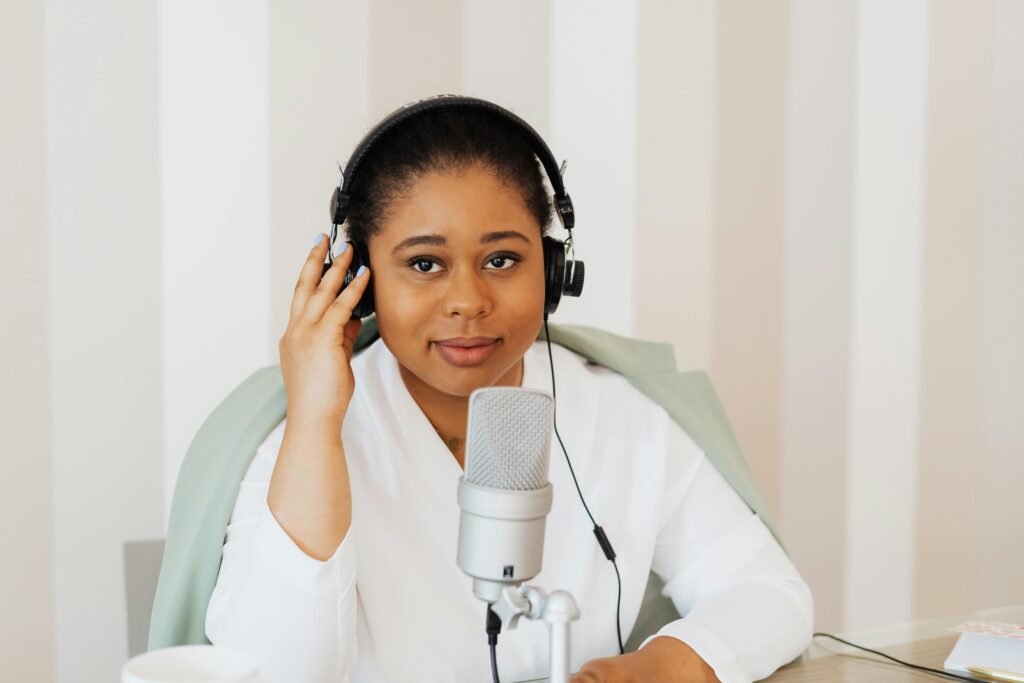
In contrast, speed listening relies heavily on auditory processing. Listeners process sounds, tone, and rhythm rather than visual cues. While this helps develop auditory memory and language skills, comprehension can decrease if information is presented too quickly. The brain simply has less time to build context or make visual associations.
Researchers have found that visual reading tends to improve long-term retention more effectively than listening alone. That’s because reading allows you to control your pace, reread sections, and engage more deeply with the text. Listening, while efficient, often favors surface-level understanding.
That said, both practices have their place. For example, someone practicing speed reading may pair it with speed listening to reinforce learning. Reading a book and then listening to it on audio can deepen understanding through repetition and dual-sensory engagement.
Master Typing & Digital Skills with Typesy!
Go beyond keyboarding—Typesy helps you boost digital literacy, productivity, and efficiency in today’s tech-driven world.



Combining Reading, Listening, and Typing for Smarter Learning
The most effective learners use multiple input channels—reading, listening, writing, and typing—to strengthen connections in the brain. Typing, in particular, supports comprehension because it engages motor memory. When you take notes by typing key ideas, you’re reinforcing what you’ve read or heard.
Students who learn through both reading and typing retain information longer, especially when using structured typing exercises that encourage focus and discipline. This integration of sensory and cognitive processes is what makes digital literacy such a powerful foundation for lifelong learning.
For busy learners, audiobooks are ideal for reinforcing knowledge during commutes or downtime. However, they should complement—not replace—traditional reading. By alternating between reading and listening, learners benefit from both visual and auditory input, leading to stronger recall and comprehension.
Additionally, learners should approach both methods with mindfulness. Whether reading rapidly or listening at 1.5x speed, comprehension depends on focus and intention. Skimming or zoning out defeats the purpose of efficient learning. Setting goals for what to retain and summarize afterward can transform passive consumption into active understanding.
Building Balanced Learning Habits
To develop well-rounded learning habits, it’s important to combine different forms of literacy—visual, auditory, and digital. Tools that support structured learning, like digital journaling, note-taking, and safe online habits, help learners process information more effectively.
Ultimately, speed reading trains the mind to interpret complex ideas quickly, while speed listening enhances auditory comprehension and multitasking ability. Neither method is superior; they’re complementary. When used together—and supported by active typing practice—they build a more adaptable, digitally fluent learner.
Whether you’re reading, listening, or typing, what matters most is consistency and reflection. Efficient learning isn’t just about speed; it’s about depth, connection, and the ability to apply what you learn in real-world situations.
Not on Typesy Yet? You're Missing Out!
Master typing, boost productivity, and enhance digital literacy with Typesy—the leading platform for adaptive and engaging typing education. Whether you're an individual learner, a homeschool educator, or managing a classroom, Typesy has the perfect solution for you!
Choose Your Ideal Experience:
 Get Started with Typesy Today! – Transform the way you learn and teach typing!