
When learning online, many people assume that longer study sessions lead to better results. It seems logical: more time should mean more learning. However, research and experience show that this isn’t always true. In many cases, shorter digital lessons are far more effective than long online study sessions.
This idea is becoming increasingly important as digital learning continues to grow. Whether students are learning typing skills, professionals are improving productivity, or individuals are building new digital habits, the structure of learning sessions plays a major role in how much information is retained.
Short lessons—often called “microlearning”—allow learners to stay focused, practice consistently, and absorb information more efficiently. Instead of overwhelming the brain with long stretches of content, smaller learning sessions create steady progress over time.
Why Long Online Sessions Can Reduce Learning
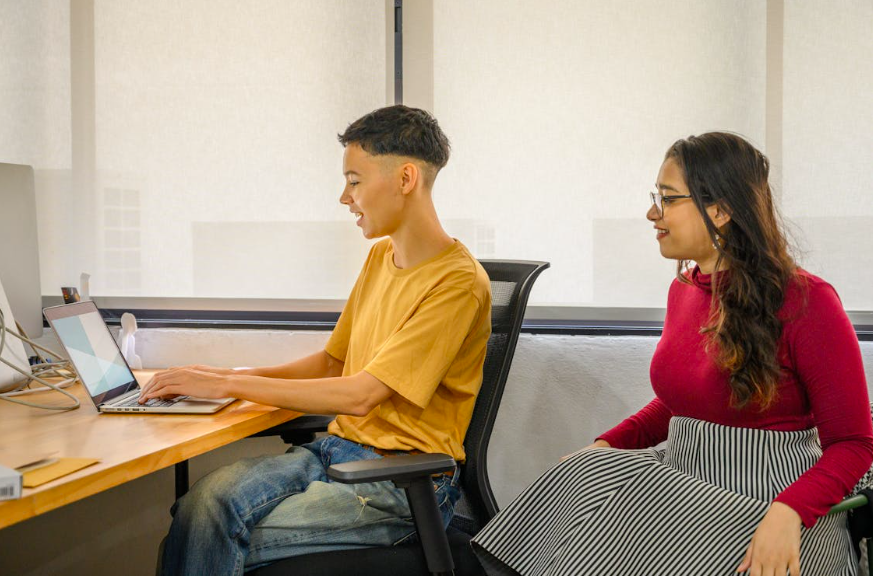
Long digital study sessions often start with good intentions. A learner may plan to spend an hour or more completing lessons, practicing skills, or reviewing materials. But as the session continues, focus tends to decline.
One reason is mental fatigue. The brain can only maintain deep concentration for a limited period before attention starts to drift. During long sessions, learners may begin multitasking, checking notifications, or losing track of the material they are studying.
Another challenge is information overload. When too much content is introduced at once, the brain struggles to organize and retain it. Instead of building strong understanding, learners may remember only fragments of the lesson.
Digital environments can also make long sessions more difficult. Screens expose learners to constant potential distractions, from emails to social media notifications. Maintaining attention for extended periods requires significant effort.
This is especially noticeable when practicing technical skills like typing. Long sessions can lead to fatigue in both the mind and the hands, which reduces accuracy and slows improvement. In contrast, consistent short practice sessions help reinforce touch typing skills without overwhelming the learner.
Another factor is engagement. Long sessions often feel demanding, which makes it harder to stay motivated. Shorter lessons create a sense of progress and completion, encouraging learners to return regularly and build consistent habits.
Master Typing & Digital Skills with Typesy!
Go beyond keyboarding—Typesy helps you boost digital literacy, productivity, and efficiency in today’s tech-driven world.



How Short Lessons Improve Skill Development

Short digital lessons work because they match the brain’s natural learning rhythms. When lessons are brief and focused, learners can give their full attention to the material without becoming overwhelmed.
These smaller learning blocks also support repetition. Instead of trying to master everything at once, learners revisit skills frequently. This repetition strengthens memory and gradually improves performance.
For example, someone practicing typing for ten minutes a day is more likely to build long-term muscle memory than someone who practices for an hour once a week. Frequent short sessions allow the brain and hands to develop automatic responses, which is essential for efficient typing.
Short lessons are also easier to fit into daily routines. A quick practice session can be completed during a study break, before work, or between other tasks. Over time, these small efforts accumulate into meaningful progress.
Digital platforms are particularly well suited to this approach. Structured programs that focus on digital learning strategies often break skills into manageable steps. Learners move through lessons gradually, building confidence and mastery along the way.
Shorter lessons also encourage more mindful technology use. Instead of spending long, unfocused hours online, learners engage with digital tools in purposeful ways. Developing healthy screen habits helps prevent burnout and supports better concentration.
Typing practice is a perfect example of how short lessons outperform long sessions. When learners practice in short bursts, they stay focused on accuracy and technique. Their hands develop muscle memory, and mistakes can be corrected before they become habits.
Over time, this approach builds stronger skills with less frustration. Instead of feeling overwhelmed by long training sessions, learners see steady improvement through manageable daily practice.
In today’s fast-moving digital world, learning efficiently matters just as much as learning effectively. Short, structured lessons help learners stay engaged, absorb information more easily, and build lasting skills.
By embracing shorter learning sessions, students and professionals alike can make digital learning more productive, sustainable, and rewarding.
Not on Typesy Yet? You're Missing Out!
Master typing, boost productivity, and enhance digital literacy with Typesy—the leading platform for adaptive and engaging typing education. Whether you're an individual learner, a homeschool educator, or managing a classroom, Typesy has the perfect solution for you!
Choose Your Ideal Experience:
 Get Started with Typesy Today! – Transform the way you learn and teach typing!