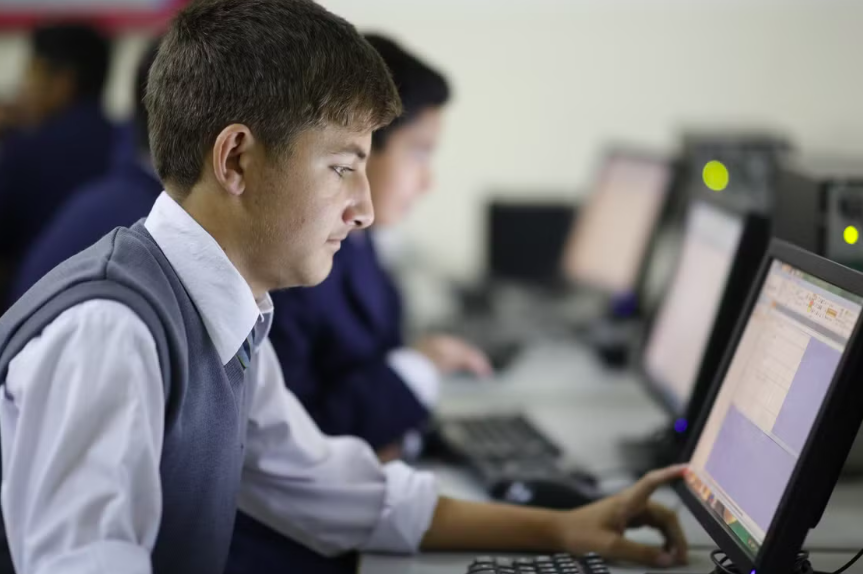
Digital learning continues to transform the way students develop skills and interact with technology. In today’s classrooms, students use computers for writing, research, collaboration, and creative projects. With so much learning happening online, educators need effective ways to understand student progress and provide the right support.
Typing is one skill that benefits greatly from progress tracking. While typing may seem simple, improving accuracy, speed, and confidence requires practice over time. Data from typing programs can help teachers and students see growth, identify areas for improvement, and create better learning experiences.
By using data-driven typing instruction, schools can help students become more capable digital learners. Instead of guessing where students need support, educators can use real progress information to guide their approach.
How Data Improves Typing Development
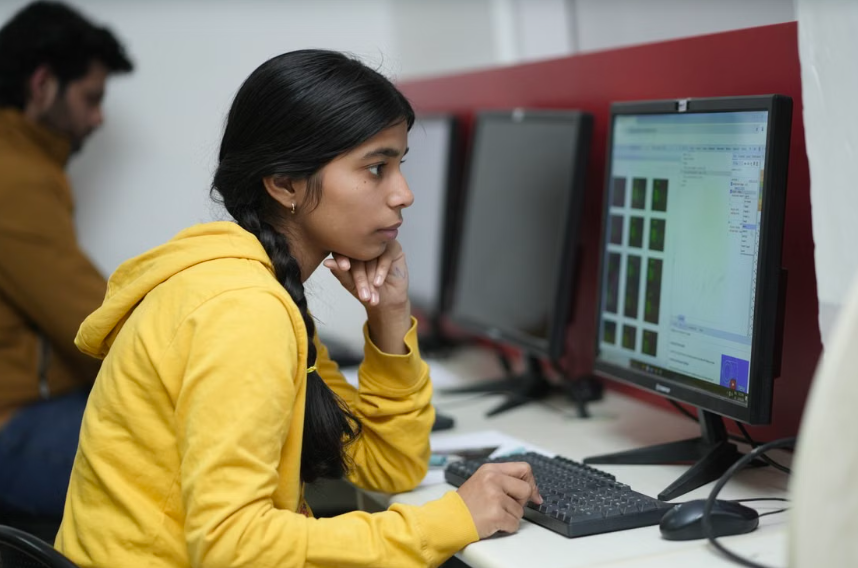
Every student learns at a different pace. Some students may quickly develop keyboard familiarity, while others may need additional practice with accuracy, finger placement, or typing rhythm. Progress tracking helps educators understand these differences.
Typing programs can collect useful information, such as typing speed, accuracy rates, completed lessons, and areas where students may struggle. This information allows teachers to recognize patterns and provide targeted guidance.
For students, seeing their own improvement can be highly motivating. A learner who notices their words per minute increasing or their error rate decreasing can see the results of their effort. These small achievements help build confidence and encourage continued practice.
Typing progress data also supports personalized learning. Students can focus on the skills they need most instead of repeating activities they have already mastered. Modern tools that include personalized typing lessons powered by AI technology can make practice more relevant and engaging.
Progress tracking is also valuable because typing connects to many other digital activities. Students use typing for assignments, communication, and online learning platforms. Strong typing skills help them complete tasks more efficiently and focus on the content of their work.
Digital learning also requires students to understand responsible technology use. As learners become more independent, they need guidance on habits such as protecting their information while using digital spaces.
Consistency plays a major role in skill development. Students who create regular practice routines are more likely to see improvement. Building structured habits, including effective daily routines for digital learners, can help students stay focused on their goals.
Master Typing & Digital Skills with Typesy!
Go beyond keyboarding—Typesy helps you boost digital literacy, productivity, and efficiency in today’s tech-driven world.



Helping Students Reach Better Outcomes
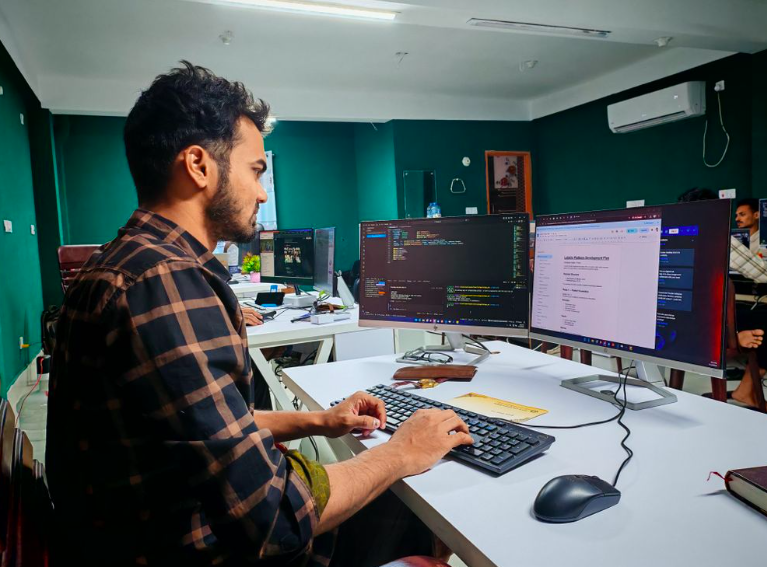
The purpose of tracking typing progress is not just to measure performance—it is to support growth. Data gives students and educators a clearer picture of what is working and what can be improved.
Teachers can use typing reports to celebrate student achievements and encourage learners who may need additional support. Instead of focusing only on final results, progress tracking highlights the journey of improvement.
Typing instruction also helps students develop important 21st century skills. Accuracy, efficiency, and confidence with technology are valuable abilities in both academic and professional environments. Students who type comfortably can communicate ideas faster and participate more effectively in digital spaces.
Technology skills often work together. Students who understand efficient digital workflows can improve their overall productivity. Learning strategies like using keyboard shortcuts to complete tasks more effectively can help learners make better use of their time.
Progress tracking can also encourage healthier technology habits. Since students spend many hours using devices, comfort and proper setup matter. Creating a supportive learning environment with attention to ergonomics helps students stay focused while practicing.
Schools and families can also use progress information to encourage learning beyond the classroom. When students understand their goals, they can continue practicing through meaningful activities. Projects that involve technology, writing, and creativity can help reinforce skills in real situations.
A supportive workspace can also improve learning experiences. Simple improvements, such as creating a more comfortable and productive study environment, can help students stay engaged during practice sessions.
Ultimately, data and progress tracking give typing education a clearer direction. They help teachers personalize instruction, help students recognize their growth, and help schools create stronger digital learning programs.
Typing is a skill that students will continue using throughout their lives. By combining practice with meaningful feedback, educators can help learners become faster, more accurate, and more confident technology users.
When schools use data to guide typing instruction, they are not just improving keyboard skills—they are building digital confidence that supports lifelong learning.
Not on Typesy Yet? You're Missing Out!
Master typing, boost productivity, and enhance digital literacy with Typesy—the leading platform for adaptive and engaging typing education. Whether you're an individual learner, a homeschool educator, or managing a classroom, Typesy has the perfect solution for you!
Choose Your Ideal Experience:
 Get Started with Typesy Today! – Transform the way you learn and teach typing!