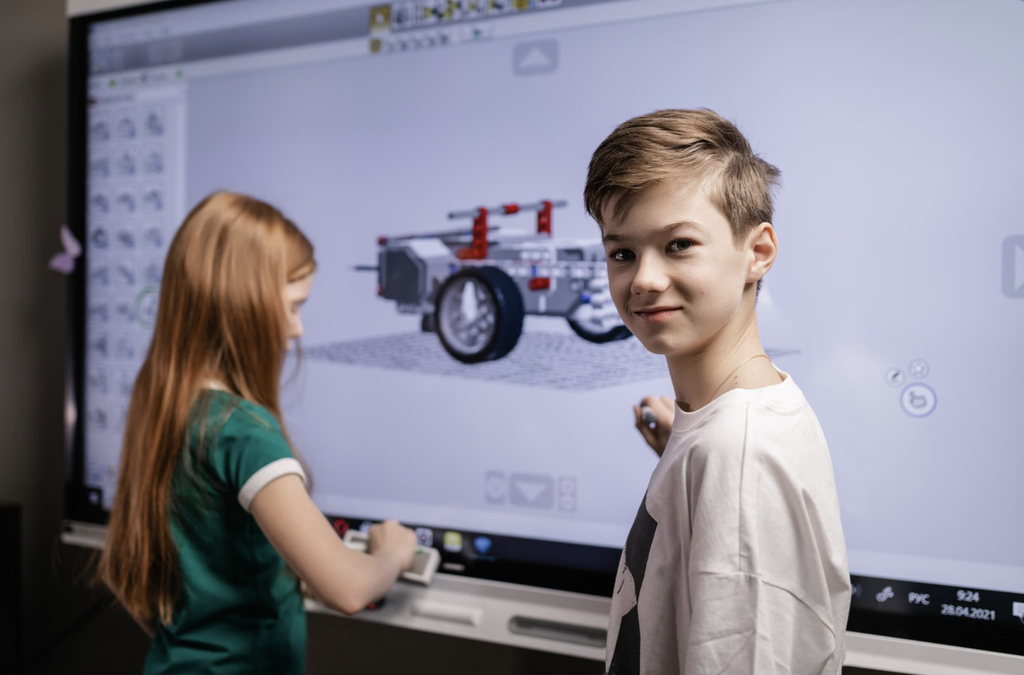
The world of work continues to evolve as technology transforms industries, introduces new career paths, and changes how people collaborate. Preparing students for this changing environment requires more than helping them memorize facts or pass examinations. They also need practical skills that enable them to solve problems, communicate effectively, adapt to new situations, and use technology with confidence.
These abilities, often called 21st-century skills, help learners connect classroom knowledge with real-world challenges. Although students cannot predict exactly which jobs they will pursue, they can develop habits and competencies that support lifelong learning and professional growth. By introducing these skills early, educators and families can help young people become more resourceful, independent, and prepared for future opportunities.
Develop the Skills Employers Value
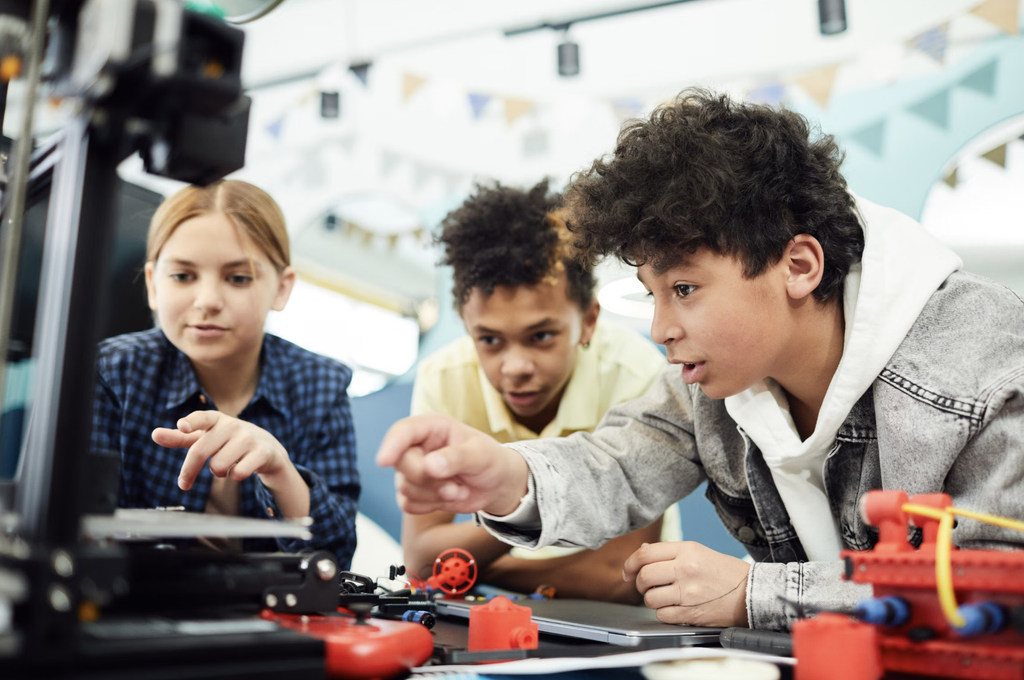
Critical thinking is one of the most important abilities students can develop. In professional settings, people frequently need to evaluate information, identify problems, compare possible solutions, and make informed decisions. Students can begin practicing these skills through classroom discussions, research assignments, science experiments, and projects that require them to explain their reasoning.
Rather than immediately providing answers, educators can ask questions that encourage learners to investigate possibilities. Why might one solution work better than another? What evidence supports a particular claim? What could happen if circumstances changed? These questions teach students to look beyond surface-level information and approach challenges thoughtfully. Exploring ways to strengthen critical thinking in digital learning environments can offer additional ideas for developing these abilities.
Communication is equally valuable. Future professionals must often explain complex ideas, write clear messages, listen carefully, and collaborate with people who have different perspectives. Students can build these abilities through presentations, group assignments, peer feedback, and written reflections. Reading also contributes to effective communication by exposing learners to new ideas, sentence structures, and vocabulary. Developing more efficient and purposeful reading habits can help students process information and engage more confidently with unfamiliar material.
Adaptability is another essential skill. Workplaces change as new tools, expectations, and challenges emerge. Students who learn to adjust their strategies, accept constructive feedback, and treat mistakes as opportunities for improvement may be better equipped to handle uncertainty. Activities that involve experimentation, creative problem-solving, and revising an initial plan can help learners become more comfortable with change.
Finally, collaboration teaches students how to contribute to shared goals. Working in teams encourages them to divide responsibilities, manage disagreements respectfully, and recognize the value of different strengths. These experiences build social and organizational skills that can transfer to many professional environments.
Master Typing & Digital Skills with Typesy!
Go beyond keyboarding—Typesy helps you boost digital literacy, productivity, and efficiency in today’s tech-driven world.


Build Digital Confidence for Tomorrow’s Workplace
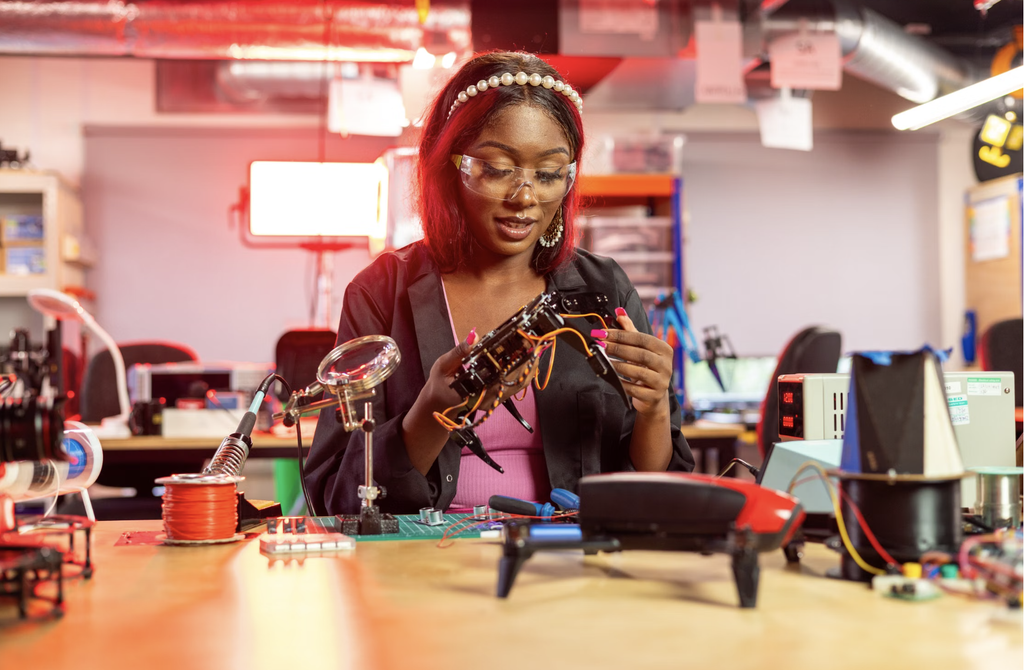
Digital literacy is now an important part of career preparation. Many professions require employees to research information, manage documents, communicate online, and learn unfamiliar software. Students who develop these capabilities early can approach technology as a practical tool for solving problems rather than simply as a source of entertainment.
Typing is a particularly useful foundation. Students use keyboards to write essays, prepare reports, complete online assessments, and communicate with teachers and classmates. In future careers, similar tasks may include drafting business correspondence, recording information, preparing presentations, or collaborating on digital documents.
Learning touch typing helps students develop familiarity with the keyboard while gradually improving accuracy and speed. With consistent practice, they can spend less time searching for keys and more time concentrating on the ideas they want to communicate. Resources covering the role of typing in building long-term digital confidence can help educators understand why keyboarding remains relevant as technology evolves.
Digital efficiency also matters. Knowing how to organize files, use appropriate keyboard shortcuts, protect personal information, and evaluate online sources helps students work more effectively. These everyday skills can reduce unnecessary frustration and encourage responsible technology use.
Educators and parents can make digital skill development more meaningful by connecting practice to realistic tasks. Students might type a research summary, create a digital portfolio, collaborate on a presentation, or organize information in a spreadsheet. Such activities combine technical competence with communication, critical thinking, and organization.
Importantly, career preparation should not focus exclusively on technology. Creativity, empathy, resilience, and ethical decision-making remain valuable in a wide range of fields. Students need opportunities to ask questions, experiment with ideas, reflect on their choices, and understand how their actions affect others.
The most effective approach is to build these skills gradually through regular practice and meaningful experiences. A single project can strengthen several competencies at once, while feedback helps learners recognize what they have accomplished and what they can improve.
Ultimately, preparing students for future careers is about giving them the confidence and flexibility to keep learning. By combining strong communication, critical thinking, adaptability, and practical digital skills such as typing, educators and families can help young people build a foundation for success in a changing world.
Not on Typesy Yet? You're Missing Out!
Master typing, boost productivity, and enhance digital literacy with Typesy—the leading platform for adaptive and engaging typing education. Whether you're an individual learner, a homeschool educator, or managing a classroom, Typesy has the perfect solution for you!
Choose Your Ideal Experience:
 Get Started with Typesy Today! – Transform the way you learn and teach typing!