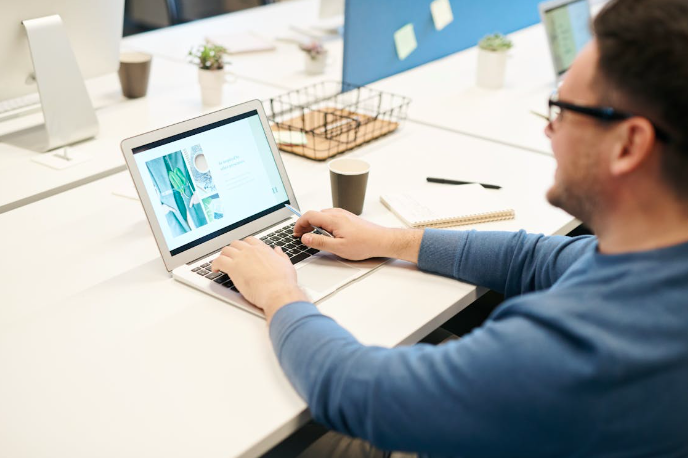
Have you ever been typing when the words seemed to appear effortlessly, time faded away, and your focus felt razor sharp? That experience is known as “flow,” and it’s one of the most powerful mental states for learning and productivity. In digital learning environments, flow can transform typing from a mechanical task into a deeply engaging process.
Understanding how flow works—and how to invite it while typing—can help students, professionals, and lifelong learners work more efficiently while enjoying the process along the way.
What Flow Is and Why It Matters for Typing

Flow is a psychological state where concentration, motivation, and skill align perfectly. The concept, popularized by psychologist Mihály Csíkszentmihályi, describes moments when people are fully immersed in what they’re doing. For typing, flow shows up as steady rhythm, minimal errors, and a sense that your thoughts are keeping pace with your fingers.
Typing is uniquely suited for flow because it’s both repetitive and creative. Once the basics are mastered, your hands move automatically, freeing your mind to focus on ideas rather than mechanics. This is where typing fluency and muscle memory play a critical role. When keystrokes no longer demand conscious attention, mental energy can be directed toward writing, problem-solving, or learning new material.
Flow also supports better learning outcomes. In digital classrooms, students often type notes, essays, and responses. When they enter a flow state, they absorb information more effectively and express ideas more clearly. This is especially important in self-paced or online learning, where focus can be harder to maintain.
However, flow doesn’t happen by accident. It requires the right balance of challenge and skill. If typing tasks are too easy, boredom sets in. If they’re too difficult, frustration takes over. Adjusting typing activities to meet your current ability level is key to staying engaged and motivated.
Environment matters too. Distractions like notifications, cluttered workspaces, or poor posture can quickly break concentration. Setting up a consistent typing routine helps signal your brain that it’s time to focus. Over time, these cues make entering flow faster and more natural.
Master Typing & Digital Skills with Typesy!
Go beyond keyboarding—Typesy helps you boost digital literacy, productivity, and efficiency in today’s tech-driven world.



How to Create Flow-Friendly Typing Sessions

Creating flow while typing starts with intention. Begin by setting a clear goal for each session—whether it’s completing a writing assignment, practicing speed drills, or drafting ideas. Clear goals give your brain direction and reduce mental friction.
Next, pay attention to pacing. Flow thrives on momentum, so try typing in uninterrupted blocks of time. Short, focused sessions are often more effective than long, distracted ones. Many learners find that 20–30 minutes is the sweet spot for sustained attention.
Skill-building is another essential factor. Regular practice strengthens accuracy and confidence, which supports focused digital learning habits. As typing becomes smoother, it’s easier to maintain a steady rhythm that keeps you mentally engaged. This is why consistent typing practice isn’t just about speed—it’s about building the conditions for deeper focus.
Mindset also matters. Flow is more likely when you’re relaxed but alert. Simple habits like taking a few deep breaths before typing or briefly stretching your hands can help reset your attention. These small rituals prepare both mind and body for concentrated work.
Technology choices can either support or disrupt flow. Full-screen writing modes, quiet keyboards, and ergonomic setups reduce friction and keep your attention where it belongs. At the same time, responsible tech use is essential. Turning off unnecessary alerts supports healthy and safe online routines, allowing you to stay immersed without constant interruptions.
Finally, remember that flow is not about perfection. Mistakes happen, even in the zone. The goal is progress, not flawlessness. When you allow yourself to type freely without over-editing, you maintain momentum and stay connected to your ideas.
Flow turns typing into more than a skill—it becomes an experience. By aligning your environment, habits, and mindset, you can tap into this powerful state more often and make digital learning feel both productive and rewarding.
Not on Typesy Yet? You're Missing Out!
Master typing, boost productivity, and enhance digital literacy with Typesy—the leading platform for adaptive and engaging typing education. Whether you're an individual learner, a homeschool educator, or managing a classroom, Typesy has the perfect solution for you!
Choose Your Ideal Experience:
 Get Started with Typesy Today! – Transform the way you learn and teach typing!