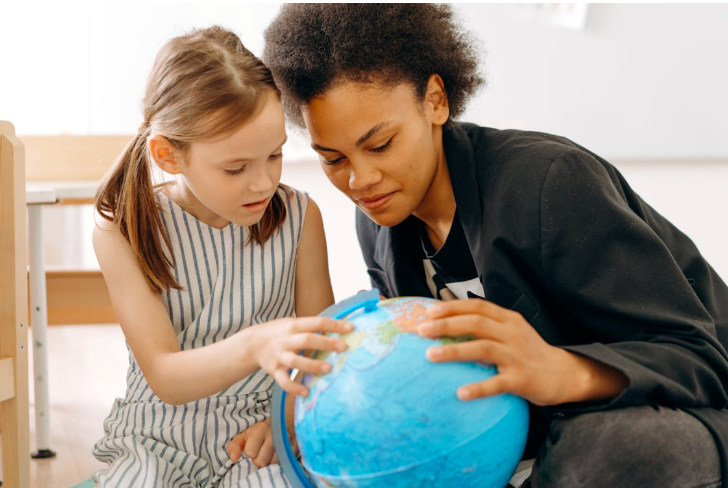
In today’s achievement-driven culture, failure often feels like something to avoid at all costs. Grades, scores, and benchmarks can make mistakes seem like setbacks rather than opportunities. Yet one of the most important 21st century skills we can teach children is how to grow through failure. Learning to reflect, adapt, and try again prepares kids not just for school—but for life.
Failure, when handled constructively, builds resilience, critical thinking, and emotional intelligence. For parents and educators, the goal isn’t to eliminate mistakes but to help children understand what those mistakes can teach them. Whether it’s a missed math problem, a slow typing speed, or a project that didn’t turn out as planned, every misstep can become a learning moment.
Reframing Failure as Feedback
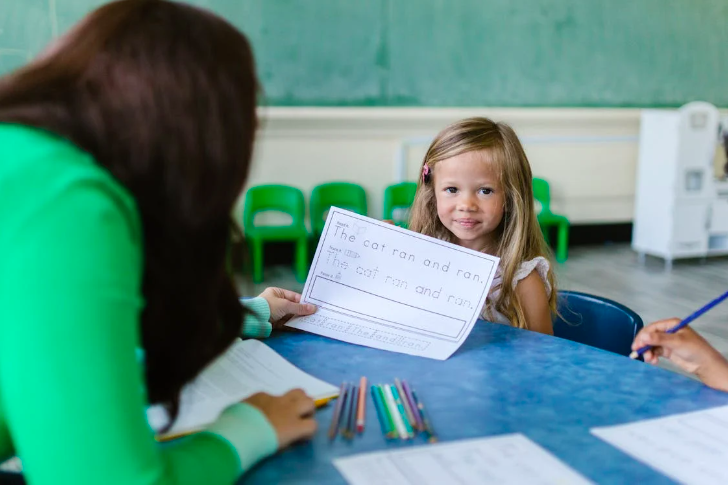
The way adults talk about failure strongly influences how children perceive it. When mistakes are framed as proof of inability, kids may become risk-averse or discouraged. But when errors are treated as information—signals pointing to what needs adjustment—children learn persistence and self-awareness.
One effective strategy is focusing on process rather than outcome. Instead of asking, “Did you get it right?” try asking, “What part was hardest?” or “What would you try differently next time?” This approach encourages reflection and supports growth mindset learning strategies, helping kids see effort and improvement as more important than perfection.
Typing practice is a great example of this principle in action. When children first learn to type, mistakes are inevitable—missed keys, slow speeds, and awkward finger placement. Progress comes not from avoiding errors, but from noticing them and making small corrections over time. Each typo becomes feedback, not failure.
Digital learning environments are especially useful here. They often provide immediate, low-stakes feedback that allows kids to adjust quickly. When students understand that mistakes are part of skill-building, they’re more likely to engage deeply and take healthy risks.
Teaching Kids to Reflect and Try Again
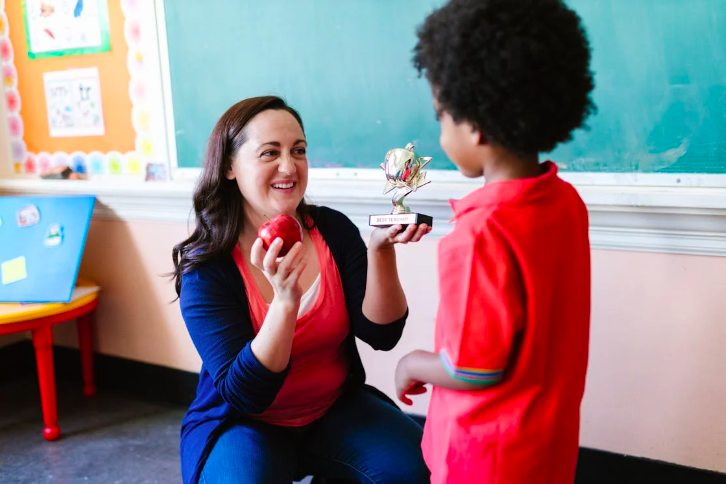
Helping kids learn from failure requires more than encouragement—it requires structure. Reflection turns mistakes into lessons. After a challenge, guide children through three simple questions: What happened? Why did it happen? What will I do next time?
Writing these reflections can be especially powerful. Journaling or typing short reflections helps kids slow down and articulate their thinking. Over time, this builds typing confidence for students, allowing them to express ideas more clearly and efficiently while reinforcing metacognitive skills.
Parents and educators can model this process by sharing their own learning experiences. Talking openly about mistakes—and what they taught you—normalizes failure and shows that growth doesn’t end with adulthood. This transparency builds trust and encourages kids to be honest about their struggles.
It’s also important to create environments where mistakes are safe. This includes emotional safety as well as digital safety. Online assignments, shared documents, and collaborative tools should be spaces where students feel comfortable experimenting without fear of ridicule. Teaching safe online learning habits ensures that children can take intellectual risks while protecting their well-being.
Master Typing & Digital Skills with Typesy!
Go beyond keyboarding—Typesy helps you boost digital literacy, productivity, and efficiency in today’s tech-driven world.



Building Resilience Through Everyday Practice
Resilience isn’t built through one big lesson—it’s developed through repeated, everyday experiences. Small failures, handled well, prepare kids for larger challenges down the road. When children learn that effort leads to improvement, they’re more likely to persevere through frustration.
Incorporating this mindset into daily routines makes it stick. During typing practice, celebrate progress rather than speed alone. During homework time, acknowledge persistence even when answers aren’t correct. These moments reinforce the idea that learning is a process, not a performance.
Digital tools can support this approach by tracking improvement over time. Seeing gradual gains—faster typing speeds, fewer errors, better organization—helps kids connect effort with results. This visual feedback strengthens motivation and self-belief.
Most importantly, teaching kids to grow through failure equips them with a skill that extends far beyond academics. In careers, relationships, and personal goals, the ability to learn from mistakes is invaluable. By guiding children to see failure as a teacher rather than a threat, we prepare them for a future that values adaptability, creativity, and lifelong learning.
Not on Typesy Yet? You're Missing Out!
Master typing, boost productivity, and enhance digital literacy with Typesy—the leading platform for adaptive and engaging typing education. Whether you're an individual learner, a homeschool educator, or managing a classroom, Typesy has the perfect solution for you!
Choose Your Ideal Experience:
 Get Started with Typesy Today! – Transform the way you learn and teach typing!