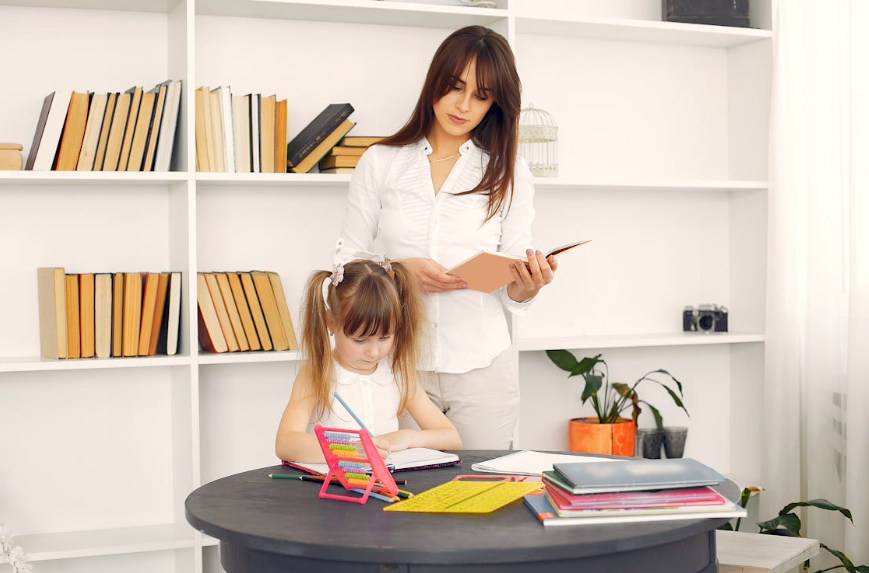
One of the greatest advantages of homeschooling is flexibility. Students can learn at their own pace, explore topics that interest them, and develop independence earlier than in traditional classrooms.
However, too much flexibility without structure can lead to inconsistency, lack of focus, and slow progress.
The challenge for many homeschooling families is finding the right balance—giving children enough independence to grow while maintaining enough structure to keep learning on track.
When done well, this balance helps students become confident, self-directed learners without losing the discipline needed for long-term success.
Why Independence Needs Structure
Independence in learning doesn’t happen automatically. Students need guidance, routines, and clear expectations before they can manage their own time effectively.
Without structure, learners may struggle to prioritize tasks, stay focused, or complete assignments consistently. This is especially true in digital learning environments, where distractions are always present.
Structure provides a framework that supports independence. It gives students a clear understanding of what needs to be done and when, while still allowing flexibility in how they approach their work.
For example, a daily routine might include dedicated time for reading, writing, and skill-building activities. Within that structure, students can choose the order of tasks or the pace at which they complete them.
Developing digital learning habits is an important part of this process. When students understand how to navigate online tools, manage assignments, and track their progress, they become more capable of working independently.
Typing plays a key role in building this independence. Many homeschooling activities—writing assignments, research, and communication—require consistent keyboard use.
Strong touch typing skills allow students to complete these tasks efficiently. Instead of struggling with the keyboard, they can focus on expressing ideas, organizing thoughts, and completing their work with confidence.
Structure also supports accountability. When expectations are clear, students are more likely to take responsibility for their learning and stay on track throughout the day.
Master Typing & Digital Skills with Typesy!
Go beyond keyboarding—Typesy helps you boost digital literacy, productivity, and efficiency in today’s tech-driven world.



Encouraging Independence Step by Step
Building independence is a gradual process. Instead of expecting students to manage everything on their own, parents can introduce responsibility in stages.
Start by assigning small, manageable tasks. For example, students might be responsible for completing a typing lesson, finishing a reading assignment, or organizing their study materials.
As they become more comfortable, these responsibilities can expand.
Typing practice is a great starting point for independent learning. Programs that guide learners through typing accuracy exercises allow students to practice on their own while receiving immediate feedback.
This type of structured independence builds confidence because students can see their progress without needing constant supervision.
Another effective strategy is setting clear goals. When students know what they are working toward—whether it’s completing a project or improving typing speed—they are more motivated to manage their time effectively.
Providing checklists or simple schedules can also help. These tools give students a sense of direction while still allowing flexibility in how they complete their tasks.
It’s also important to teach safe online habits as part of independent learning. When students use digital tools responsibly, they can work more confidently without constant monitoring.
Encouraging reflection is another powerful tool. Asking students to review what they accomplished each day helps them become more aware of their progress and areas for improvement.
Balancing independence and structure is not about choosing one over the other—it’s about combining both in a way that supports learning.
Structure provides stability and direction, while independence builds confidence and responsibility. Together, they create an environment where students can thrive.
Typing skills, digital habits, and consistent routines all contribute to this balance. When students can work efficiently, manage their tasks, and stay focused, they become more capable of guiding their own learning journey.
Over time, this approach helps homeschooling families create a system that is both flexible and effective—one that supports growth without sacrificing consistency.
Not on Typesy Yet? You're Missing Out!
Master typing, boost productivity, and enhance digital literacy with Typesy—the leading platform for adaptive and engaging typing education. Whether you're an individual learner, a homeschool educator, or managing a classroom, Typesy has the perfect solution for you!
Choose Your Ideal Experience:
 Get Started with Typesy Today! – Transform the way you learn and teach typing!