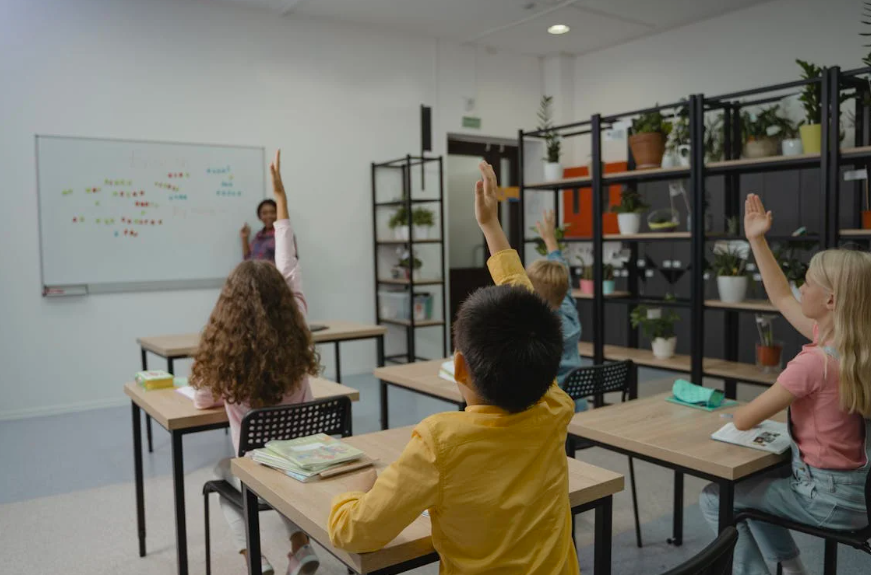
Students spend years developing skills in school—reading, writing, researching, analyzing information, and solving problems. But one of the biggest challenges they face is applying those skills outside the classroom.
In today’s fast-changing world, success depends not only on what students know, but on how well they can use that knowledge in real-life situations.
This is where 21st century skills come in.
These skills focus on adaptability, critical thinking, communication, and digital competence. When students learn how to transfer what they’ve learned in school into real-world problem solving, they become more confident, capable, and prepared for future challenges.
Why School Skills Don’t Always Transfer Automatically

Many academic skills are taught in structured environments. Students follow instructions, complete assignments, and work toward clear outcomes. While this builds a strong foundation, real-world situations are often less predictable.
Problems outside the classroom don’t always come with step-by-step instructions.
For example, a student may know how to write an essay but struggle to organize ideas when writing an email or report in a real-world setting. Similarly, research skills learned in school may not immediately translate to evaluating online information in everyday life.
The key difference is context. Students need opportunities to apply their skills in different situations to fully understand how those skills work.
Developing digital literacy skills helps bridge this gap. When learners know how to evaluate information, navigate online tools, and communicate effectively, they can apply classroom knowledge to real-world challenges.
Typing is another essential part of this transition. In both academic and professional environments, much of communication happens through written text.
Strong touch typing skills allow students to express ideas quickly and clearly. Instead of focusing on the mechanics of typing, they can concentrate on solving problems, organizing information, and communicating effectively.
When typing becomes automatic, it supports smoother thinking and more efficient work.
Master Typing & Digital Skills with Typesy!
Go beyond keyboarding—Typesy helps you boost digital literacy, productivity, and efficiency in today’s tech-driven world.



Turning Learning Into Real-World Action
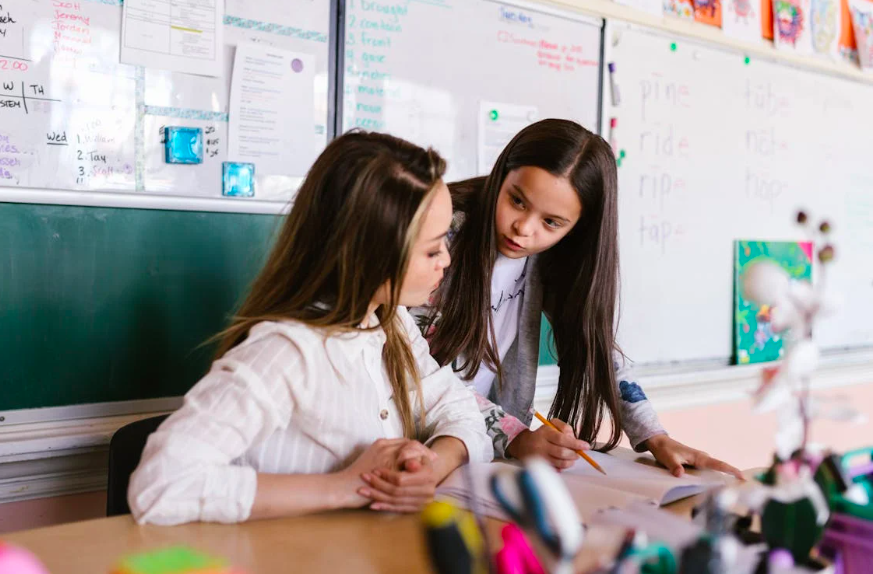
To help students apply their skills, learning must go beyond memorization and repetition. It should include opportunities for problem-solving, decision-making, and real-world application.
One effective approach is project-based learning. When students work on projects that simulate real-life challenges—such as researching a topic, creating presentations, or solving practical problems—they begin to see how their skills connect.
For example, a research project might involve gathering information, evaluating sources, and presenting findings. These tasks mirror real-world activities such as planning, decision-making, and communication.
Practicing typing accuracy exercises supports this process by helping students work efficiently. When learners can type quickly and accurately, they can focus more on analyzing information and less on managing the keyboard.
Another important element is reflection. Encouraging students to think about how they used their skills during a task helps reinforce learning. This reflection builds awareness and strengthens their ability to apply those skills in new situations.
Teaching safe online habits is also critical. In the real world, students must navigate digital environments responsibly. Understanding how to verify information, protect personal data, and communicate respectfully helps them use their skills effectively and safely.
Finally, giving students more independence encourages growth. When learners take responsibility for their tasks, they develop confidence in their ability to solve problems and make decisions.
The goal of education is not just to teach skills—it’s to prepare students to use those skills in meaningful ways.
When learners understand how to transfer their knowledge into real-world situations, they become more adaptable and capable of handling new challenges.
Typing, digital literacy, and problem-solving all work together to support this transition. These skills allow students to communicate ideas, analyze information, and take action with confidence.
In a world that constantly evolves, the ability to apply what you’ve learned is one of the most valuable skills you can develop.
Not on Typesy Yet? You're Missing Out!
Master typing, boost productivity, and enhance digital literacy with Typesy—the leading platform for adaptive and engaging typing education. Whether you're an individual learner, a homeschool educator, or managing a classroom, Typesy has the perfect solution for you!
Choose Your Ideal Experience:
 Get Started with Typesy Today! – Transform the way you learn and teach typing!