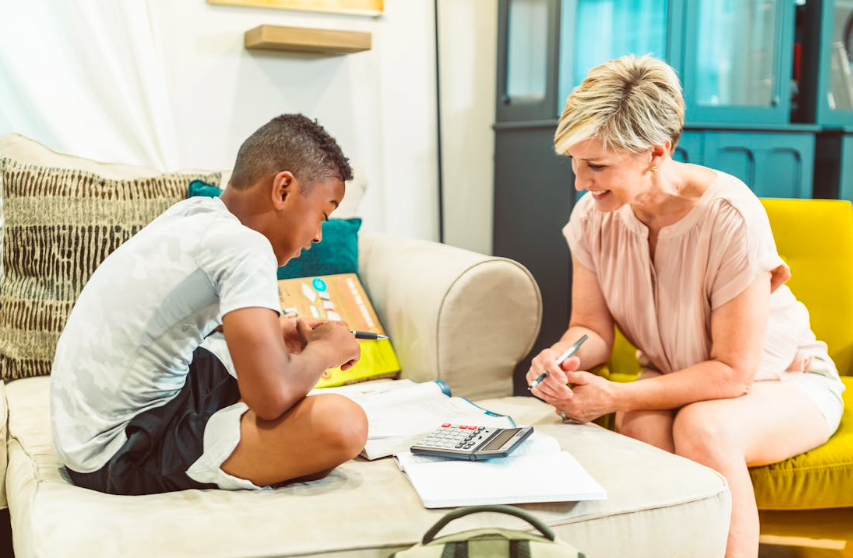
Homeschooling gives students flexibility, independence, and personalized learning opportunities that many traditional classrooms cannot always provide. However, some families eventually prepare students for more structured environments such as colleges, workplaces, group programs, or traditional schools.
This transition can feel intimidating at first, especially for students who are used to flexible schedules and self-paced learning. Fortunately, homeschool learners often already possess many strengths that help them adapt successfully. The key is gradually building structure, communication skills, and confidence before the transition happens.
Structured environments typically involve schedules, deadlines, group collaboration, digital systems, and formal expectations. Preparing students early helps reduce anxiety and allows them to approach these changes more comfortably.
Typing is especially important during this transition. Most structured educational and professional environments rely heavily on digital communication, online assignments, note-taking, and written collaboration. Students with strong keyboarding skills often feel more confident participating in these systems because they can focus on ideas instead of struggling with typing mechanics.
Homeschooling already encourages valuable skills like independence, curiosity, and adaptability. With thoughtful preparation, students can carry these strengths successfully into more structured learning environments.
Building Structure Gradually

One of the best ways to prepare homeschool students for structured environments is by introducing routines gradually instead of making sudden changes.
Students benefit from practicing time management, scheduled work periods, and consistent learning habits before entering more formal settings. These routines help learners become more comfortable balancing responsibilities and meeting expectations independently.
Families may find it helpful to create more organized digital learning routines that encourage consistency while still maintaining flexibility. Small habits like beginning work at similar times each day or using planners can make structured environments feel less overwhelming later.
Typing practice is another valuable part of preparation. Efficient keyboarding supports faster assignment completion, smoother communication, and greater digital confidence. Personalized tools offering AI-guided typing support can help students strengthen these skills at their own pace.
Structured environments also require students to navigate digital tools efficiently. Learning keyboard shortcuts, file organization, and digital workflows can reduce stress during online assignments and collaborative tasks. Exploring smarter ways to manage digital work helps learners become more confident using technology independently.
Comfortable learning environments continue supporting productivity during this transition too. Students who work comfortably often focus more effectively and feel less mentally drained during longer study periods. Families may benefit from exploring healthier ergonomic setups for learning while preparing students for more demanding schedules.
Most importantly, students should understand that structure is not meant to remove independence. Instead, it provides systems that help people manage responsibilities and collaborate effectively.
Master Typing & Digital Skills with Typesy!
Go beyond keyboarding—Typesy helps you boost digital literacy, productivity, and efficiency in today’s tech-driven world.



Strengthening Confidence and Adaptability

Many homeschool students already possess strong problem-solving and independent learning skills because they often work in flexible educational environments. These strengths become valuable advantages in structured settings when students learn how to apply them confidently.
Group collaboration is one area families can practice intentionally. Structured environments frequently involve teamwork, discussion, and shared responsibilities. Hands-on activities inspired by real-world collaborative learning projects help students practice communication and teamwork naturally.
Students also benefit from becoming comfortable with feedback and evaluation systems. Traditional classrooms and workplaces often involve grading rubrics, deadlines, performance reviews, and structured expectations. Practicing goal-setting and reflection at home can help students adapt to these systems more comfortably.
Digital literacy remains important during this transition as well. Students entering structured environments should understand online safety, respectful communication, and responsible technology use. Families can reinforce these skills through conversations about safe and thoughtful online behavior.
Workspace organization can also support emotional readiness. Calm and organized learning environments often reduce stress and encourage better focus during academic tasks. Families may find inspiration in ideas for creating healthier and more productive study spaces at home.
Typing remains one of the most practical skills students can bring into structured environments. Whether taking notes during lectures, communicating with teachers, writing reports, or participating in online discussions, typing fluency supports efficiency and confidence across nearly every subject area.
Most importantly, students should know that adjusting to structure takes time. Transitioning into new learning systems is a process, not a test of intelligence or ability. Small adjustments and consistent habits gradually build comfort and confidence.
Homeschool students often adapt very successfully because they already understand how to learn independently. By combining those strengths with stronger routines, typing skills, digital literacy, and communication habits, students can enter structured environments feeling capable, prepared, and ready to succeed.
Not on Typesy Yet? You're Missing Out!
Master typing, boost productivity, and enhance digital literacy with Typesy—the leading platform for adaptive and engaging typing education. Whether you're an individual learner, a homeschool educator, or managing a classroom, Typesy has the perfect solution for you!
Choose Your Ideal Experience:
 Get Started with Typesy Today! – Transform the way you learn and teach typing!