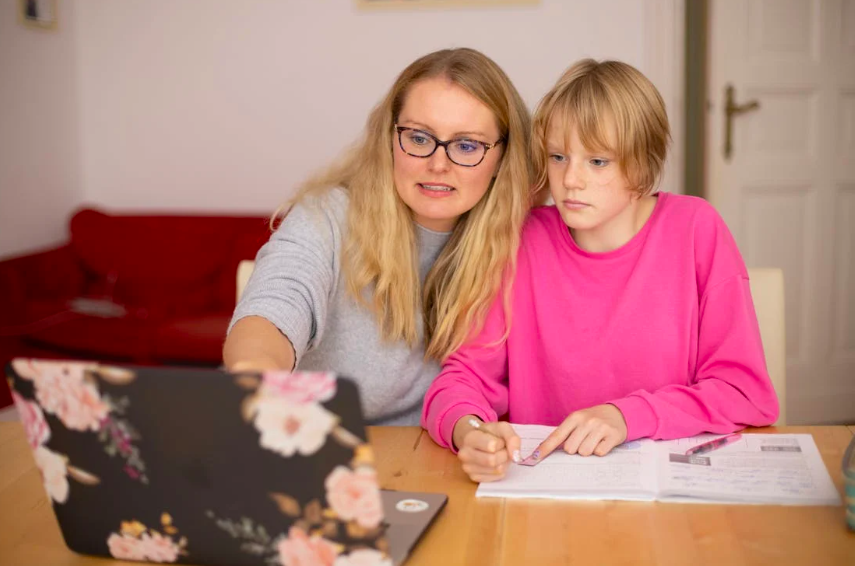
Digital technology is woven into nearly every part of modern life. Students use devices for communication, research, entertainment, typing practice, homework, and creative projects every day. While technology offers incredible educational opportunities, it also creates new challenges involving attention, focus, and self-control.
This is where digital self-regulation becomes important. Digital self-regulation refers to a student’s ability to manage screen time, stay focused online, make thoughtful decisions, and use technology responsibly without constant supervision.
For digital natives, this skill is essential. Students who learn how to manage distractions and build healthy digital habits are often better prepared for long-term academic success and personal well-being.
Many students struggle with constant notifications, endless scrolling, multitasking, and online distractions. These habits can reduce concentration and make learning feel overwhelming. Teaching self-regulation helps students become more intentional about how they use technology instead of reacting impulsively to every alert or distraction.
Typing also plays a meaningful role in digital self-regulation. Students who type efficiently often complete assignments more smoothly and spend less time feeling frustrated during digital tasks. Strong keyboarding skills support productivity and reduce unnecessary interruptions while learning online.
Digital self-regulation is not about avoiding technology completely. Instead, it teaches students how to use technology in ways that support learning, creativity, and healthy balance.
Why Self-Regulation Matters in Digital Learning
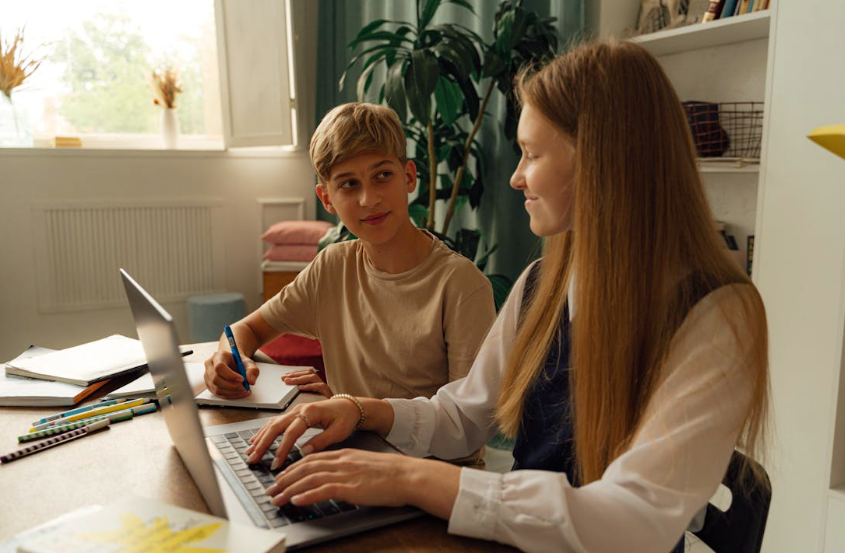
Technology can either support focus or constantly compete for attention. Without healthy habits, students may switch rapidly between homework, social media, videos, and online conversations without fully concentrating on any task.
This constant multitasking often reduces comprehension and increases mental fatigue. Students may feel busy for hours without making meaningful progress.
Building structured routines helps reduce this problem. Consistent schedules encourage students to approach digital learning more intentionally instead of relying entirely on motivation or impulse. Families can strengthen focus by creating healthier digital routines for students that support organization and concentration throughout the day.
Physical environments also influence self-regulation. Students who feel uncomfortable during screen-based learning may lose focus faster or become more distracted. Creating supportive workspaces through better ergonomic learning setups can improve concentration and reduce unnecessary physical strain.
Typing fluency contributes to better focus as well. Students who type confidently can complete writing tasks more efficiently and spend less mental energy managing keyboard mechanics. Personalized tools like AI-enhanced typing lessons can help learners strengthen digital productivity skills while building confidence.
Self-regulation also includes learning when to pause and recharge. Students benefit from short breaks, movement, and offline activities that help reduce digital fatigue during long learning sessions.
Master Typing & Digital Skills with Typesy!
Go beyond keyboarding—Typesy helps you boost digital literacy, productivity, and efficiency in today’s tech-driven world.



Building Healthier Digital Habits
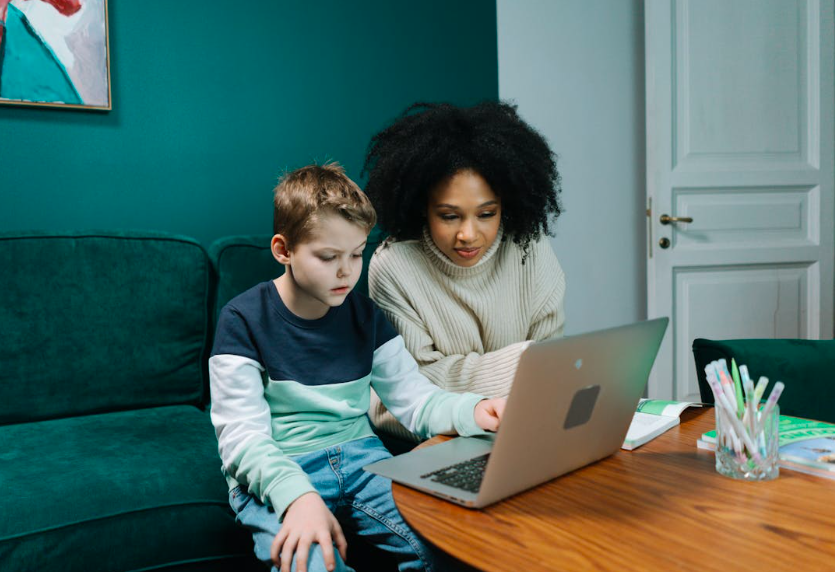
Teaching digital self-regulation works best when students understand why these habits matter. Instead of focusing only on restrictions, families and educators can help learners recognize how healthy technology habits improve focus, productivity, and emotional well-being.
One effective strategy is encouraging intentional technology use. Students should learn to ask themselves questions like:
- Why am I using this device right now?
- Is this helping me learn or distracting me?
- Am I staying focused on my goal?
These simple reflections help students become more aware of their digital choices.
Efficient workflows also support self-regulation. Keyboard shortcuts, organized digital files, and smoother navigation reduce frustration and wasted time during online tasks. Students can improve focus by learning smarter ways to work digitally while completing assignments and projects.
Hands-on activities remain important too. Offline learning experiences encourage creativity, curiosity, and balanced screen habits. Projects inspired by interactive learning opportunities at home can help students stay engaged without depending entirely on passive screen time.
Digital safety should also remain part of self-regulation conversations. Responsible online behavior includes protecting personal information, thinking carefully before sharing content, and recognizing unsafe situations online. Families can reinforce these habits through discussions about safe and responsible internet use and thoughtful digital decision-making.
Workspace comfort can influence habits more than many students realize. Organized, calm environments often support stronger focus and fewer distractions. Families may benefit from exploring ideas for creating healthier study spaces that encourage productive learning.
Typing continues supporting digital independence throughout this process. Students who develop strong keyboarding habits can communicate more efficiently, complete digital work more confidently, and maintain smoother workflows during online learning activities.
Most importantly, students should understand that digital self-regulation is a skill that improves gradually over time. No one manages technology perfectly every day. Building awareness, routines, and healthy habits helps learners become more intentional and balanced in how they use digital tools.
As technology continues shaping education and communication, students who develop strong self-regulation skills will be better prepared to learn effectively, manage distractions, and use digital tools responsibly throughout their lives.
Not on Typesy Yet? You're Missing Out!
Master typing, boost productivity, and enhance digital literacy with Typesy—the leading platform for adaptive and engaging typing education. Whether you're an individual learner, a homeschool educator, or managing a classroom, Typesy has the perfect solution for you!
Choose Your Ideal Experience:
 Get Started with Typesy Today! – Transform the way you learn and teach typing!