
In today’s information-rich world, knowledge is no longer confined to a single subject or field. The most valuable skill is not just knowing facts, but being able to connect ideas across different domains. This ability—known as synthesis—is a cornerstone of 21st-century learning.
Synthesis involves combining information from multiple sources to create new understanding. Instead of learning in isolation, students begin to see patterns, relationships, and broader meanings. For example, a learner might connect historical trends with current events, or apply mathematical thinking to real-world problems.
This approach strengthens cross-disciplinary learning skills, helping learners think more flexibly and creatively. Rather than memorizing information, they learn how to use it.
In digital environments, where information comes from a wide range of sources, synthesis becomes even more important. Learners must filter, organize, and integrate content quickly and effectively.
Typing plays a key role in this process. When students can type efficiently, they can capture ideas, take notes, and organize information without losing momentum. Developing typing for knowledge organization allows learners to structure their thoughts as they synthesize information, making the process more effective.
Strategies for Effective Synthesis
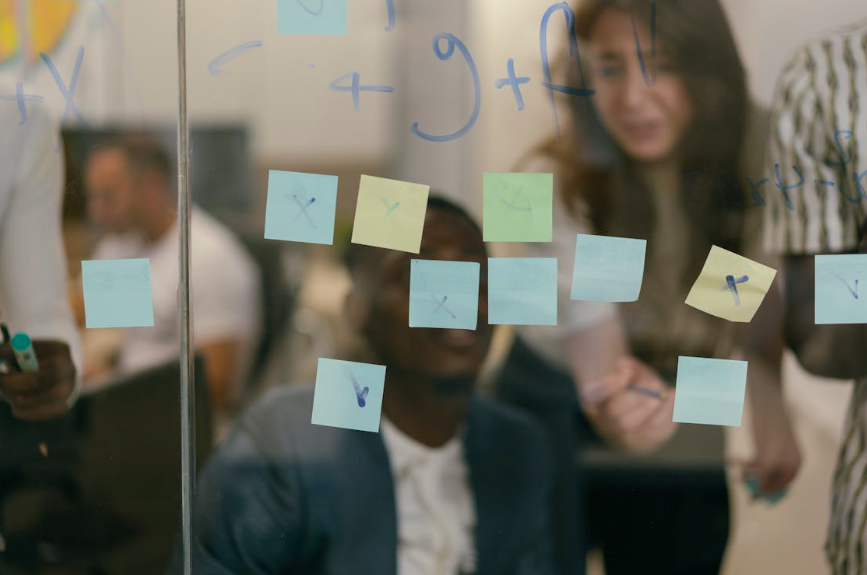
Learning to synthesize information doesn’t happen automatically—it requires intentional practice and the right strategies.
One of the most effective methods is active note-taking. Instead of copying information verbatim, learners should summarize, paraphrase, and connect ideas in their own words. This encourages deeper understanding and helps identify relationships between concepts.
Another important strategy is asking guiding questions. Questions like “How does this relate to what I already know?” or “What patterns do I see?” prompt learners to think critically and make connections.
Master Typing & Digital Skills with Typesy!
Go beyond keyboarding—Typesy helps you boost digital literacy, productivity, and efficiency in today’s tech-driven world.



Organizing information visually can also support synthesis. Mind maps, charts, and outlines help learners see how ideas fit together. These tools make it easier to identify connections and build a cohesive understanding.
Developing digital information integration skills is essential in this context. Learners must navigate multiple sources, evaluate their relevance, and combine them into a meaningful whole. This requires both critical thinking and technical ability.
Collaboration is another powerful tool. Discussing ideas with others exposes learners to different perspectives, helping them refine and expand their understanding. Group projects and discussions encourage the exchange of ideas and promote deeper synthesis.
Consistency is key. Regular practice in connecting ideas—whether through writing, discussion, or projects—helps reinforce this skill over time.
From Information to Insight
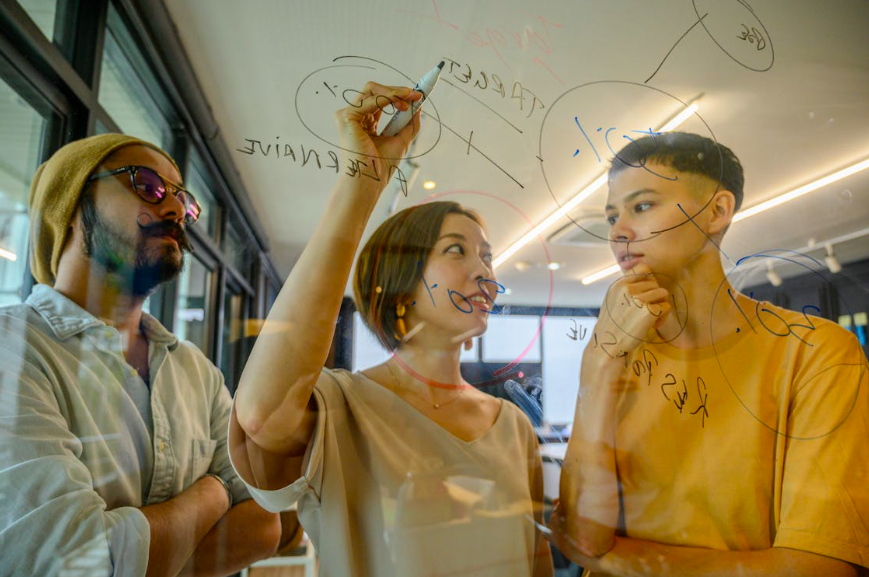
The ultimate goal of synthesis is not just to gather information, but to transform it into insight.
When learners can connect ideas across domains, they develop a deeper level of understanding. They are better equipped to solve complex problems, think creatively, and adapt to new challenges.
Typing continues to support this process by enabling efficient expression of ideas. Practicing typing for critical thinking helps learners articulate their insights clearly and quickly, bridging the gap between thought and communication.
Synthesis also enhances communication skills. When learners understand how different ideas relate, they can explain concepts more effectively and present information in a structured way.
Another important aspect is developing safe information sharing habits. As learners combine and share information, they must ensure accuracy, give proper credit, and communicate responsibly. These habits are essential in maintaining credibility and integrity in digital spaces.
Applying synthesis in real-world contexts further strengthens the skill. Whether working on research projects, solving problems, or creating content, learners benefit from integrating knowledge across domains.
It’s also important to embrace curiosity. Synthesis thrives when learners are open to exploring new ideas and making unexpected connections. Encouraging curiosity helps foster a mindset that values learning and discovery.
Ultimately, the ability to synthesize information is what turns knowledge into power. It allows learners to move beyond memorization and engage with content in a meaningful way.
In a rapidly changing world, this skill is more important than ever. By combining strong digital literacy, effective typing skills, and intentional practice, learners can develop the ability to connect ideas and create new understanding.
With time and consistency, synthesis becomes second nature—transforming how learners think, learn, and communicate.
Not on Typesy Yet? You're Missing Out!
Master typing, boost productivity, and enhance digital literacy with Typesy—the leading platform for adaptive and engaging typing education. Whether you're an individual learner, a homeschool educator, or managing a classroom, Typesy has the perfect solution for you!
Choose Your Ideal Experience:
 Get Started with Typesy Today! – Transform the way you learn and teach typing!