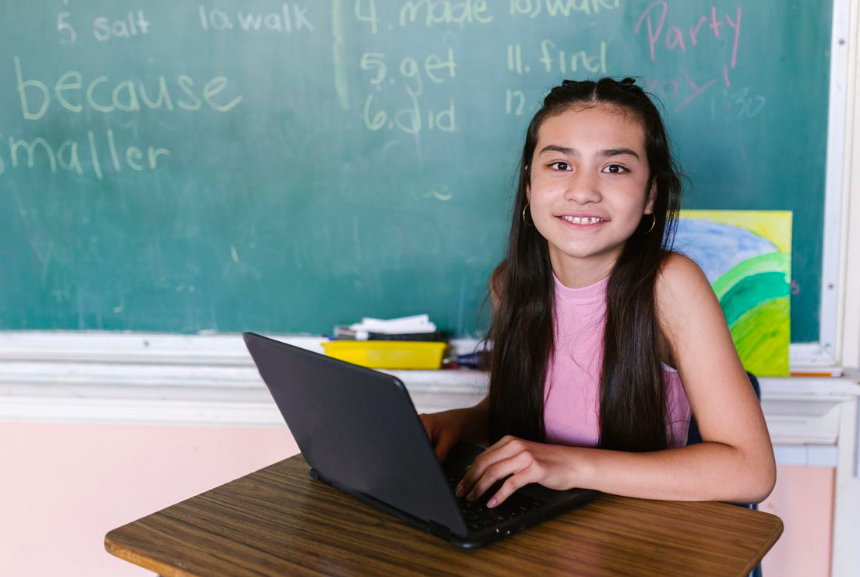
Technology has become a regular part of the modern classroom. Students use computers to research information, complete assignments, collaborate with classmates, and explore creative ideas. As digital tools become more common in education, students need skills that allow them to use technology with confidence.
One skill that supports nearly every digital activity is typing. While typing is often viewed as a separate computer skill, it can become a natural part of everyday classroom learning. By integrating typing practice into regular technology use, schools can help students improve their abilities while completing meaningful tasks.
Typing practice does not have to feel like an extra assignment. When included in daily activities, it becomes a way for students to strengthen communication, productivity, and digital confidence.
Building Typing Skills Through Daily Practice
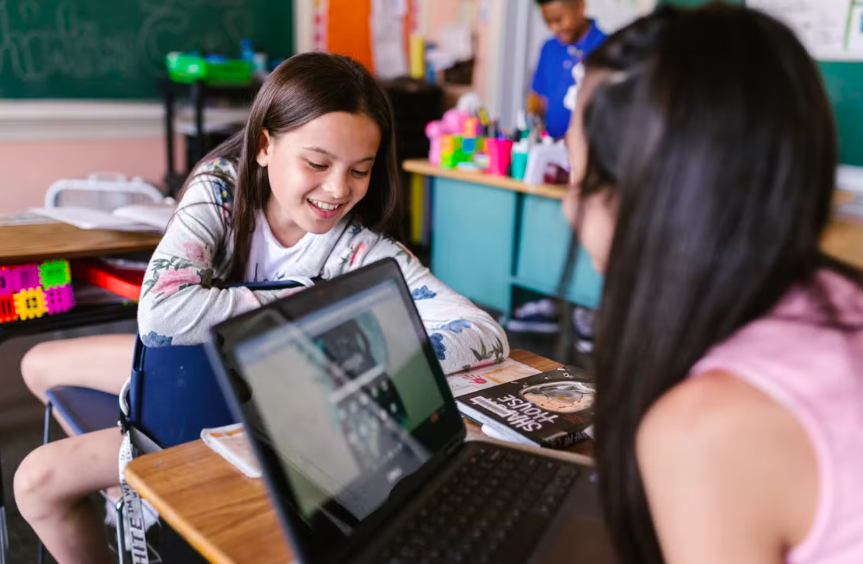
Students improve when they have consistent opportunities to practice. The same idea applies to typing. Short, regular typing activities can help students develop accuracy, speed, and comfort with keyboards over time.
Instead of waiting for students to struggle with digital assignments, educators can introduce typing habits early. Simple classroom activities, such as writing responses, creating documents, or completing online exercises, provide natural opportunities for students to practice.
Touch typing helps students use keyboards more effectively by teaching proper finger placement and reducing the need to search for keys. When students develop these habits, they can focus more on their ideas and less on the mechanics of entering information.
Typing also supports other classroom goals. Students who type comfortably can spend more time organizing their thoughts, improving their writing, and engaging with learning materials.
As students use technology more often, digital responsibility becomes another important skill. Classroom technology use should include lessons about making safer choices while navigating online spaces so students can become responsible digital citizens.
Consistent classroom routines also help students stay focused. Creating structured learning patterns, including productive routines for students growing up with technology, can support better organization and engagement.
Typing instruction can also be adapted to meet different student needs. Personalized learning tools allow students to practice at their own level and continue improving. Features like customized typing lessons that support individual progress help make practice more effective.
Master Typing & Digital Skills with Typesy!
Go beyond keyboarding—Typesy helps you boost digital literacy, productivity, and efficiency in today’s tech-driven world.



Creating Digital-Ready Classrooms
Integrating typing practice into classroom technology use helps students build skills that extend beyond schoolwork. Digital communication is becoming increasingly important, and students need to feel prepared to use technology in many different situations.
Typing plays a role in everything from writing reports to participating in online discussions. Students who develop strong typing skills can complete tasks more efficiently and communicate their ideas more clearly.
Teachers can also connect typing with other digital skills. For example, students who learn efficient computer habits can become more productive when completing assignments. Techniques like using keyboard shortcuts to improve everyday computer work can help students manage tasks more effectively.
A strong digital learning environment also considers student comfort. Since technology use often involves extended screen time, schools can encourage healthy habits through proper posture, workspace organization, and ergonomic awareness.
When students understand how to use technology comfortably, they are more likely to stay focused and engaged. Creating supportive spaces, such as study areas designed for healthier learning, can help students make the most of their practice time.
Typing practice can also become connected to real-world learning. Students can apply their skills through research projects, presentations, writing activities, and creative assignments. Activities like projects that help students develop practical skills allow learners to see how typing supports everyday tasks.
The goal of classroom typing practice is not just faster typing. It is about helping students become confident users of technology. When typing becomes part of normal classroom routines, students naturally build skills that support learning and future success.
As digital learning continues to expand, schools must prepare students with the abilities they need to participate fully. Typing is one of those essential skills that supports communication, creativity, and independence.
By integrating typing practice into everyday technology use, educators give students more chances to improve while completing meaningful work. A few minutes of focused practice each day can create long-term benefits, helping students become capable and confident digital learners.
Not on Typesy Yet? You're Missing Out!
Master typing, boost productivity, and enhance digital literacy with Typesy—the leading platform for adaptive and engaging typing education. Whether you're an individual learner, a homeschool educator, or managing a classroom, Typesy has the perfect solution for you!
Choose Your Ideal Experience:
 Get Started with Typesy Today! – Transform the way you learn and teach typing!