Speed reading is often associated with moving your eyes faster across text. But in reality, the secret lies not just in speed—but in how much you can see at once. This is where peripheral vision plays a critical role.
Peripheral vision refers to the ability to perceive information outside the direct line of sight. In reading, it allows you to capture multiple words—or even entire phrases—without focusing on each one individually. Instead of reading word by word, your brain begins to process chunks of text, significantly increasing reading efficiency.
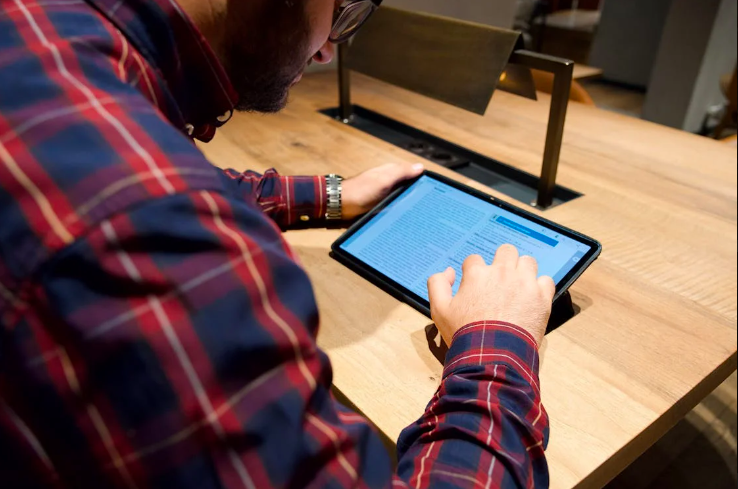
For digital natives who spend hours reading on screens, this skill is especially valuable. Screens often encourage scrolling and skimming, but without proper technique, comprehension can suffer. Training your peripheral vision helps you strike a balance between speed and understanding.
One of the biggest barriers to using peripheral vision effectively is the habit of subvocalization—silently pronouncing each word in your head. This slows reading down to speaking speed. By expanding your visual span, you reduce reliance on this habit and allow your brain to process information more quickly.
Interestingly, this concept aligns closely with typing accuracy exercises. Just as typing improves when you stop looking at each key and start relying on muscle memory, reading improves when you stop focusing on individual words and start recognizing patterns. Both skills rely on training your brain to process information more efficiently.
Training Your Peripheral Vision for Digital Reading

Improving peripheral vision is not about straining your eyes—it’s about training them to work smarter. With consistent practice, you can expand your visual range and read more effectively on digital devices.
Start by adjusting how you look at text. Instead of fixating on every word, try to focus on the center of a line and allow your peripheral vision to pick up the words on either side. At first, this may feel uncomfortable, but over time, your brain adapts and begins to process larger chunks of information.
Another effective technique is guided reading. Use a pointer, cursor, or your finger to move steadily across the screen. This reduces unnecessary eye movements and helps maintain a consistent pace. As your confidence grows, you can gradually increase your speed.
Digital tools can also support this process. Many speed reading platforms are designed to train your eyes and brain simultaneously, helping you expand your visual span while maintaining comprehension. Incorporating these tools into your routine can accelerate your progress.
Master Typing & Digital Skills with Typesy!
Go beyond keyboarding—Typesy helps you boost digital literacy, productivity, and efficiency in today’s tech-driven world.



It’s also important to create an environment that supports focus. Minimize distractions, adjust screen brightness, and use clean, readable fonts. These small changes make it easier for your eyes to process text efficiently.
Another key factor is consistency. Like any skill, peripheral vision improves with regular practice. Even a few minutes of focused reading each day can lead to noticeable improvements over time.
As you develop this skill, you’ll likely notice improvements beyond reading. Tasks that require quick information processing—such as scanning emails, reviewing documents, or navigating online platforms—become easier and more efficient.
This is where digital reading habits come into play. By combining strong habits with improved peripheral vision, you create a system that supports both speed and comprehension.
Connecting Reading Speed and Typing Efficiency
At first glance, reading and typing may seem like separate skills. However, they are deeply connected in the digital world. Faster reading allows you to absorb information quickly, while efficient typing enables you to respond and create content with ease.
When your brain becomes better at processing chunks of information through peripheral vision, it also becomes more efficient at organizing and expressing those ideas. This directly impacts your typing performance.
For example, when writing an email or completing an assignment, you’re constantly switching between reading and typing. Strong peripheral vision allows you to gather information quickly, while refined typing skills help you translate your thoughts into text without interruption.
Practicing touch typing techniques further enhances this connection. When you no longer need to look at the keyboard, your visual attention is freed up, allowing you to focus entirely on the screen. This creates a seamless workflow between reading and writing.
Additionally, maintaining online safety awareness is essential when engaging with digital content. As you read faster and process more information, being mindful of credible sources and secure platforms ensures that your efficiency is matched with responsibility.
Ultimately, speed reading is not just about reading faster—it’s about reading smarter. By leveraging peripheral vision, you can transform how you interact with digital text, making your learning more efficient and your work more effective.
As with any skill, progress takes time. But with consistent practice and the right techniques, you can train your eyes and brain to work together in powerful ways. And when combined with strong typing skills, this creates a foundation for success in today’s fast-paced digital environment.
Not on Typesy Yet? You're Missing Out!
Master typing, boost productivity, and enhance digital literacy with Typesy—the leading platform for adaptive and engaging typing education. Whether you're an individual learner, a homeschool educator, or managing a classroom, Typesy has the perfect solution for you!
Choose Your Ideal Experience:
 Get Started with Typesy Today! – Transform the way you learn and teach typing!