
Memorizing facts can help students prepare for a test, learn new vocabulary, or remember important concepts. However, knowing information does not always mean knowing how to use it. When learners face unfamiliar situations, they need to analyze what they know, consider possible solutions, and decide which approach makes the most sense.
That is why problem-solving is an essential 21st-century skill. In a world shaped by changing technology, new information, and complex challenges, students benefit from learning how to think rather than simply recalling answers. Memorization still has a place in education, but it becomes more powerful when combined with curiosity, reasoning, and practical application.
Why Problem-Solving Goes Beyond Memorization
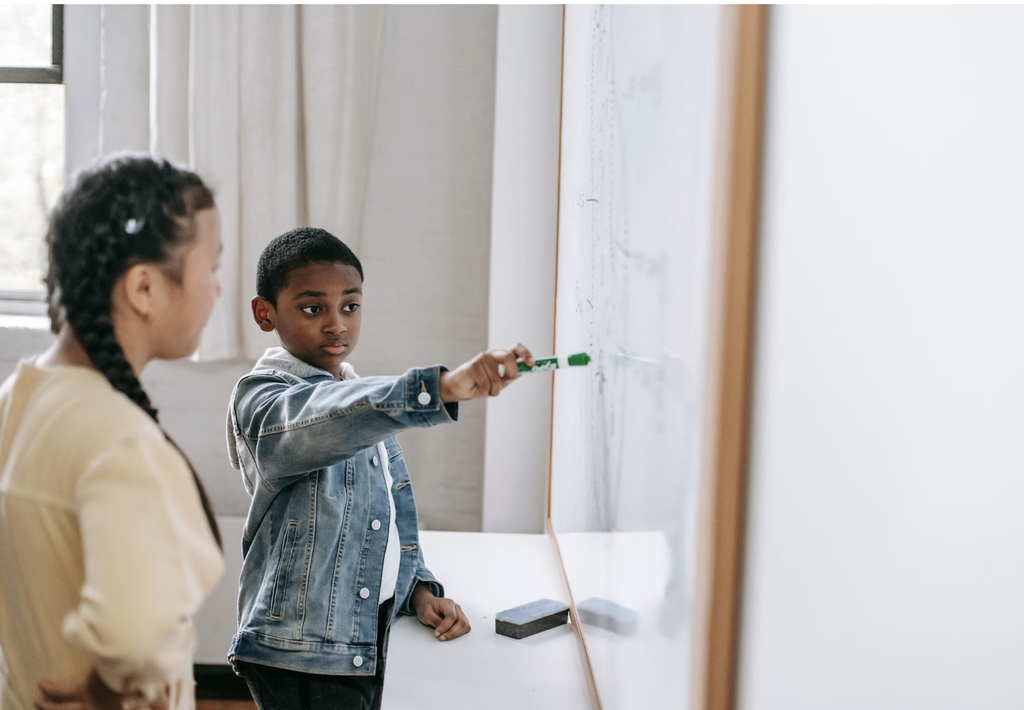
Memorization helps learners build a foundation of knowledge. Remembering mathematical formulas, historical events, spelling rules, and scientific terms gives students useful information to draw on. The limitation appears when they are expected to apply those facts in situations they have not encountered before.
Consider a student who memorizes a mathematical formula but struggles to recognize when to use it in a real-world problem. Another student might understand the concept, identify the information provided, and determine which steps are necessary to reach a solution. The second student is applying knowledge, not merely recalling it.
Problem-solving encourages learners to ask questions, examine evidence, recognize patterns, and evaluate different possibilities. These habits can be useful across subjects, from interpreting a reading passage to planning a science experiment or organizing a research assignment.
For example, when researching a topic online, students may encounter conflicting explanations. Instead of accepting the first result, they can compare sources, check supporting evidence, and consider whether the information is trustworthy. This process develops the critical thinking skills needed to navigate digital learning.
Problem-solving also helps students become more adaptable. If their first approach does not work, they can identify what went wrong and try another strategy. Rather than viewing mistakes as proof of failure, they learn to treat them as useful feedback.
Parents and teachers can encourage this mindset by asking open-ended questions instead of immediately supplying answers. Questions such as “What else could you try?” or “How did you reach that conclusion?” invite learners to explain their reasoning and consider alternatives.
Reading and comprehension also contribute to effective problem-solving. Students must understand instructions, identify relevant details, and distinguish essential information from distractions before they can make informed decisions. Developing stronger reading and information-processing habits can help learners approach complex tasks more confidently.
Build Problem-Solving Skills Through Everyday Practice
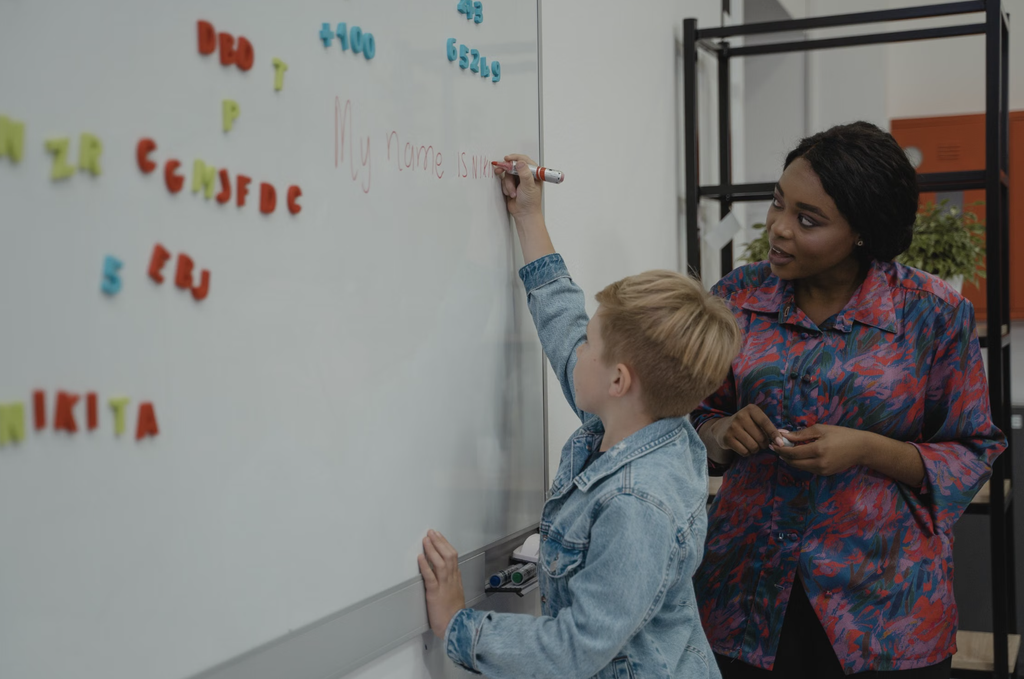
Problem-solving does not have to be taught through complicated assignments. Everyday activities provide plenty of opportunities for children to practice independent thinking.
Cooking together can introduce measurement, sequencing, and decision-making. Planning a family outing encourages children to compare options, consider costs, and organize details. Building a model or completing a puzzle teaches persistence and experimentation. These experiences make learning practical while helping children understand how different skills work together.
Hands-on activities are especially useful because they allow learners to test ideas and observe results. Families can explore practical ways to make learning part of everyday home life, giving children opportunities to investigate questions instead of simply memorizing explanations.
Digital learning provides additional ways to develop these abilities. Students can research unfamiliar topics, organize information, create presentations, and work through interactive exercises. The important part is encouraging them to make decisions throughout the process rather than follow instructions without thinking.
Typing is another valuable skill that supports independent learning. When students type comfortably and accurately, they can record observations, organize research notes, draft explanations, and communicate their solutions more efficiently. Instead of concentrating heavily on finding keys, they can devote more attention to the ideas they want to express.
Regular typing practice can help build this confidence over time. Students might type a short explanation of how they solved a problem, maintain a digital journal of experiments, or write alternative endings to a story. These activities connect keyboard skills with communication, creativity, and reasoning.
Master Typing & Digital Skills with Typesy!
Go beyond keyboarding—Typesy helps you boost digital literacy, productivity, and efficiency in today’s tech-driven world.


It is also important to give learners enough time to work through challenges. Immediately correcting every mistake can prevent children from developing their own strategies. Instead, offer guidance when needed, encourage them to explain their thinking, and help them reflect on what they learned from the experience.
Memorization and problem-solving do not need to compete with each other. Facts provide the building blocks, while reasoning helps students decide how to use them. When learners combine knowledge with curiosity, flexibility, and practical skills, they become better prepared to handle unfamiliar situations.
Ultimately, education should help students do more than remember information for an exam. It should prepare them to ask thoughtful questions, evaluate possibilities, and find solutions when the answers are not immediately obvious. By making problem-solving part of everyday learning, parents and educators can help children develop skills that remain valuable in school, at work, and throughout life.
Not on Typesy Yet? You're Missing Out!
Master typing, boost productivity, and enhance digital literacy with Typesy—the leading platform for adaptive and engaging typing education. Whether you're an individual learner, a homeschool educator, or managing a classroom, Typesy has the perfect solution for you!
Choose Your Ideal Experience:
 Get Started with Typesy Today! – Transform the way you learn and teach typing!