With voice-to-text, predictive typing, and AI-powered tools everywhere, it’s fair to wonder whether touch typing still matters. Isn’t technology doing more of the work for us now? The short answer: yes, technology is advancing—but touch typing is still a foundational skill that makes all those tools more effective.
Touch typing isn’t about nostalgia or tradition. It’s about efficiency, accuracy, and cognitive freedom in a world where communication, learning, and work happen largely through keyboards. Whether you’re a student, professional, or lifelong learner, touch typing continues to play a critical role in how confidently and effectively you operate in digital spaces.
Why Touch Typing Still Matters in a Digital World
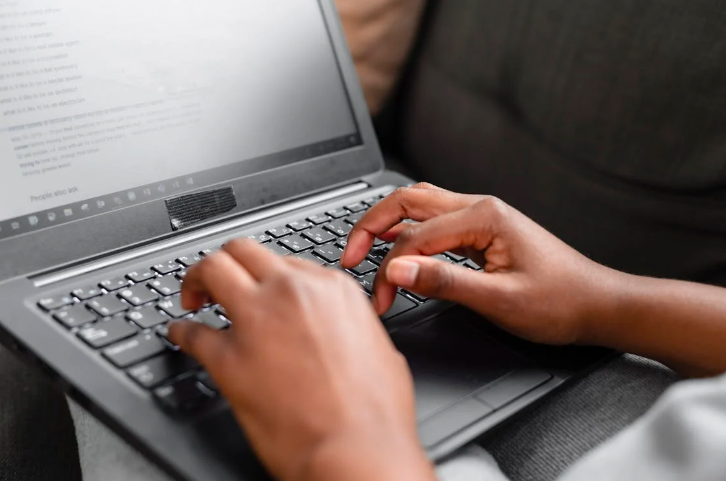
At its core, touch typing allows you to type without looking at the keyboard, using muscle memory rather than visual searching. This seemingly simple ability has powerful effects on productivity and focus. When your hands know where to go, your mind is free to think, plan, and create.
In academic settings, students who touch type can take notes faster, complete assignments more efficiently, and keep up during timed tasks. In professional environments, touch typing supports clearer emails, faster reports, and smoother collaboration. These benefits directly connect to typing speed and accuracy, which remain highly valued skills across industries.
Touch typing also supports deeper concentration. Looking back and forth between the keyboard and the screen breaks focus and increases mental fatigue. When typing becomes automatic, attention stays on the message—not the mechanics. This is especially important during long writing sessions or complex problem-solving tasks.
Even with tools like autocorrect and predictive text, touch typing provides control. These tools assist, but they don’t replace the need to input ideas quickly and precisely. In fact, strong typing skills make modern tools more effective by reducing errors and interruptions.
From a learning perspective, touch typing supports digital learning fundamentals. Many online courses, assessments, and communication platforms assume a baseline level of typing proficiency. Students who struggle with typing often spend unnecessary energy just keeping up, rather than engaging with content.
Touch Typing and the Brain: More Than Muscle Memory

Touch typing isn’t just a physical skill—it’s a cognitive one. When typing becomes automatic, it reduces cognitive load, allowing the brain to focus on higher-level thinking like organizing ideas, analyzing information, or solving problems.
Research in education consistently shows that fluency supports learning. Just as fluent readers comprehend better, fluent typists think more clearly while writing. This connection is especially noticeable during activities like essay writing, coding, or reflective journaling, where ideas need to flow without interruption.
Touch typing also plays a role in healthy digital habits. Slower typing often leads to frustration, rushed work, or avoidance of writing tasks altogether. Strong typing skills encourage confidence and consistency, supporting healthy screen habits by making digital tasks feel manageable rather than overwhelming.
For younger learners, learning touch typing early sets the stage for future success. For adults, improving typing skills can be a career-enhancing upgrade that pays off quickly. No matter your age, it’s a skill that continues to deliver value.
Master Typing & Digital Skills with Typesy!
Go beyond keyboarding—Typesy helps you boost digital literacy, productivity, and efficiency in today’s tech-driven world.



Preparing for the Future, Not the Past
As technology evolves, keyboards aren’t disappearing—they’re diversifying. Laptops, desktops, tablets, and hybrid devices all still rely heavily on typing. Even emerging technologies like AI assistants and automation depend on clear, fast human input.
Touch typing ensures you can adapt confidently across devices and platforms. It supports communication in emails, chats, documents, and collaborative tools. It also pairs seamlessly with other essential skills like speed reading, digital organization, and online collaboration.
Perhaps most importantly, touch typing empowers independence. Instead of relying on tools to “fix” your input, you become the skilled operator—efficient, accurate, and in control. That confidence carries into every digital task, from schoolwork to professional projects.
Touch typing isn’t outdated—it’s foundational. In a world that values speed, clarity, and digital fluency, it remains one of the smartest skills you can build and refine.
Not on Typesy Yet? You're Missing Out!
Master typing, boost productivity, and enhance digital literacy with Typesy—the leading platform for adaptive and engaging typing education. Whether you're an individual learner, a homeschool educator, or managing a classroom, Typesy has the perfect solution for you!
Choose Your Ideal Experience:
 Get Started with Typesy Today! – Transform the way you learn and teach typing!