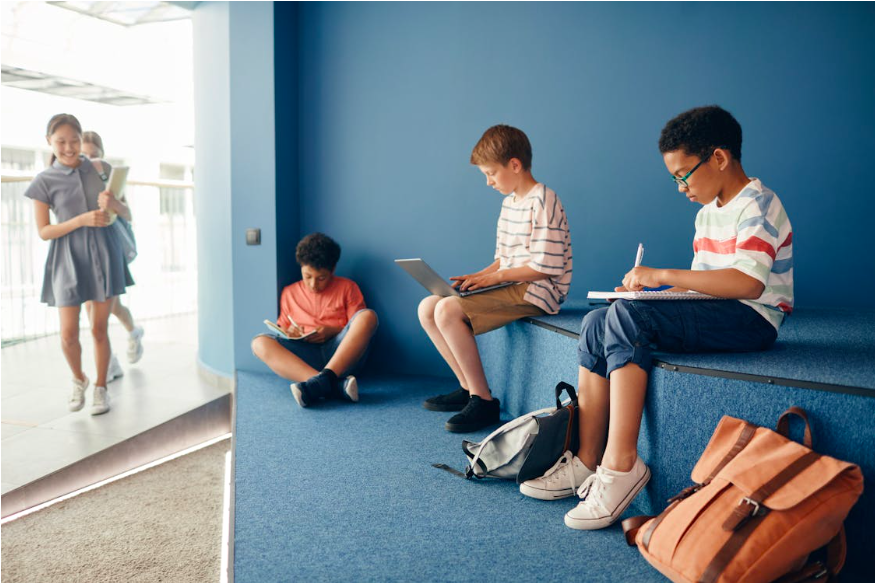
The start of a new year often brings fresh academic goals, renewed motivation, and a desire to build better learning habits. While students may focus on grades, organization, or time management, one foundational skill quietly supports all of these efforts: typing.
In today’s classrooms, typing is not optional. Students write essays, complete assessments, collaborate online, and communicate with teachers through digital platforms. When typing skills are underdeveloped, academic tasks take longer and require more mental energy. When typing becomes automatic, students are free to focus on ideas, comprehension, and problem-solving instead.
Typing proficiency directly affects how confidently and efficiently students engage with schoolwork. As the New Year begins, strengthening typing skills can be one of the most effective ways to support long-term academic success without adding unnecessary pressure.
Why Typing Fluency Impacts Learning Outcomes

Typing fluency goes beyond speed. It includes accuracy, rhythm, posture, and the ability to type without constantly looking at the keyboard. These elements combine to reduce cognitive load, allowing students to concentrate on content rather than mechanics.
Students with strong typing skills often demonstrate better written expression. Ideas flow more easily when fingers can keep pace with thoughts. This is especially important for longer assignments, timed writing tasks, and note-taking. Developing typing fluency that supports written expression helps students articulate their understanding more clearly and with less frustration.
Typing also plays a role in organization and study habits. From creating outlines to revising drafts, students rely on keyboards to manage academic work. Efficient typing makes these processes smoother and encourages students to edit, reflect, and improve their work rather than rushing to finish.
Digital assessments further highlight the importance of typing. Many tests now require typed responses, and slow or inaccurate typing can limit how fully students demonstrate their knowledge. Starting the year with a focus on typing helps level the playing field and reduces avoidable stress.
Just as important, typing builds confidence. When students trust their ability to work efficiently on a keyboard, they approach digital tasks with less hesitation and greater independence.
Master Typing & Digital Skills with Typesy!
Go beyond keyboarding—Typesy helps you boost digital literacy, productivity, and efficiency in today’s tech-driven world.



Building Typing Skills Into New Year Routines

The New Year is an ideal time to establish habits that support consistent progress. Typing improves most when practiced regularly in short, focused sessions rather than through occasional, lengthy drills.
Five to fifteen minutes a day can make a meaningful difference. These sessions can be paired with existing routines, such as homework time or study breaks. The goal is to reinforce muscle memory and accuracy while keeping practice manageable.
Students benefit most when typing practice is purposeful. Assignments like journaling, summarizing lessons, or drafting short reflections encourage intentional digital learning habits while reinforcing keyboard skills. These tasks connect typing directly to academic success rather than treating it as an isolated activity.
Proper technique matters as well. Attention to posture, finger placement, and screen setup helps prevent fatigue and supports long-term comfort. Learning these fundamentals early in the year reduces the risk of bad habits that can slow progress later.
Typing practice also creates opportunities to reinforce responsible technology use. Discussing file organization, respectful communication, and safe online practices for students helps learners navigate digital environments with confidence and awareness.
Long-Term Academic Benefits of Strong Typing Skills
As the school year progresses, the benefits of solid typing skills become even more apparent. Students complete assignments more efficiently, participate more actively in digital collaboration, and manage increasing workloads with less stress.
Typing supports learning across subjects. Whether writing lab reports, coding, researching, or preparing presentations, keyboard skills remain central. Students who type comfortably are better equipped to adapt to new tools and academic expectations.
Strong typing skills also encourage independence. Students are more likely to revise their work, explore ideas, and take ownership of projects when the mechanics of typing no longer feel like a barrier.
By prioritizing typing at the start of the year, students invest in a skill that pays off daily. It supports academic performance, builds confidence, and reinforces habits that extend well beyond the classroom.
Not on Typesy Yet? You're Missing Out!
Master typing, boost productivity, and enhance digital literacy with Typesy—the leading platform for adaptive and engaging typing education. Whether you're an individual learner, a homeschool educator, or managing a classroom, Typesy has the perfect solution for you!
Choose Your Ideal Experience:
 Get Started with Typesy Today! – Transform the way you learn and teach typing!