
Students today begin using technology earlier than ever before. From elementary classrooms to higher grade levels, digital tools have become an important part of learning. As students write reports, complete assignments, research topics, and collaborate online, one skill continues to support their success: typing.
Touch typing helps students use keyboards efficiently without constantly looking for each key. However, developing typing fluency is not something that happens overnight. It requires consistent practice, proper instruction, and age-appropriate learning experiences.
When schools introduce typing skills across different grade levels, students have the chance to build confidence gradually. Each stage of learning creates a stronger foundation for the next, helping learners become more comfortable and capable digital users.
How Typing Skills Develop Over Time
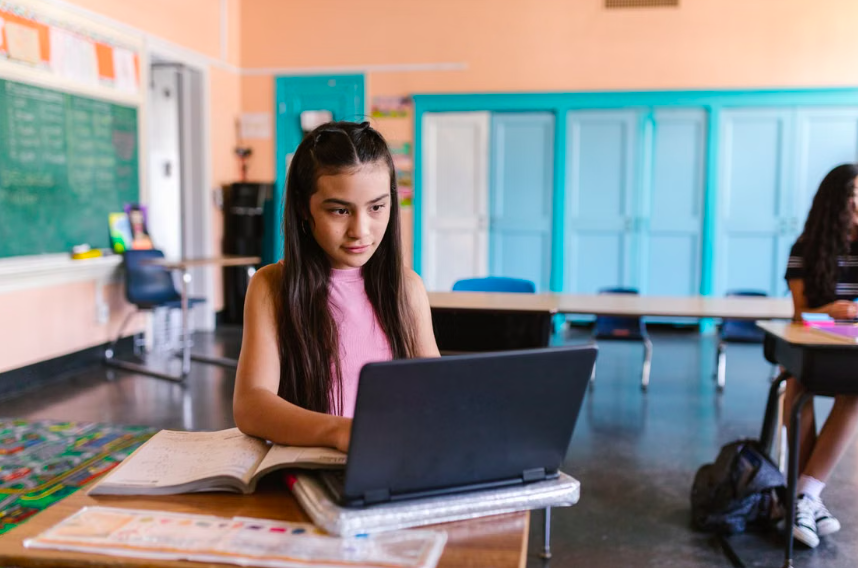
Typing fluency grows through practice and repetition. Younger students often begin by becoming familiar with the keyboard, learning finger placement, and understanding basic typing techniques. At this stage, the goal is to create positive habits and make technology feel approachable.
As students progress through grade levels, typing instruction can become more focused on improving speed, accuracy, and efficiency. Older students often use typing skills for more advanced tasks, such as writing essays, creating presentations, managing projects, and communicating online.
Strong typing ability allows students to focus on their ideas instead of worrying about how to enter information. When typing becomes natural, students can spend more energy on creativity, critical thinking, and problem-solving.
A complete digital education also involves teaching students how to use technology responsibly. As learners become more connected, understanding how to stay protected while using online platforms becomes an important part of their digital development.
Typing practice also benefits from consistency. Students who build steady learning routines may find it easier to improve their skills over time. Simple habits, including creating effective routines for students growing up with technology, can support better focus and productivity.
Modern typing programs can also support different learning needs. With adaptive features and engaging activities, students can practice at a pace that matches their progress. Tools such as personalized typing lessons supported by AI help create a more customized learning journey.
Master Typing & Digital Skills with Typesy!
Go beyond keyboarding—Typesy helps you boost digital literacy, productivity, and efficiency in today’s tech-driven world.



Creating Confident Digital Learners

Typing fluency is not just about increasing words per minute. It is about helping students become comfortable and independent when using technology. A student who can type confidently can complete digital work more smoothly and participate more actively in modern learning environments.
For middle and high school students, typing skills become especially valuable as assignments become more complex. Research papers, online assessments, and digital projects often require students to communicate clearly through written work. Efficient typing allows them to manage these responsibilities with less frustration.
Students can also improve their overall productivity by learning digital techniques that support everyday tasks. Skills like using keyboard shortcuts to make computer work easier can help learners complete assignments and navigate tools more effectively.
Typing instruction should also consider student comfort. Since learners spend many hours using devices, healthy technology habits are essential. Ergonomic awareness, including understanding how seating affects comfort during computer use, can encourage better habits that last.
A supportive learning environment can further strengthen typing development. Schools and families can help students practice effectively by creating spaces that encourage focus. Ideas from designing a comfortable and productive study area can help students feel more prepared when using technology.
Typing fluency also becomes more meaningful when students apply their skills to real-life situations. Digital assignments, creative projects, and collaborative activities allow learners to see how typing connects to practical goals. Experiences like projects that build useful everyday abilities help students understand the value of their digital skills beyond the classroom.
At home, families can reinforce learning by encouraging exploration and practice. Activities involving creativity and technology, such as hands-on learning opportunities outside school, can support continued growth.
Touch typing is a lifelong skill that continues to provide value as students advance through school and into future careers. By teaching typing fluency at every grade level, educators help students build confidence, improve productivity, and prepare for a digital world.
With the right instruction and regular practice, typing becomes more than a classroom activity—it becomes a tool that empowers students to learn, create, and communicate effectively.
Not on Typesy Yet? You're Missing Out!
Master typing, boost productivity, and enhance digital literacy with Typesy—the leading platform for adaptive and engaging typing education. Whether you're an individual learner, a homeschool educator, or managing a classroom, Typesy has the perfect solution for you!
Choose Your Ideal Experience:
 Get Started with Typesy Today! – Transform the way you learn and teach typing!