
One of the greatest strengths of homeschooling is flexibility. Unlike rigid classroom structures, homeschooling allows students to explore topics that genuinely interest them. This freedom creates an ideal environment for curiosity-driven learning, especially when teaching research skills.
Research is more than collecting facts from the internet. It involves asking thoughtful questions, finding reliable information, organizing ideas, and communicating discoveries clearly. These are valuable lifelong skills that support academic growth, digital literacy, and independent thinking.
Curiosity-driven projects make research feel meaningful because students investigate topics they truly care about. Instead of memorizing disconnected information, learners become active participants in the learning process. A child interested in space might research planets and rocket engineering, while another student may explore cooking, animals, coding, or environmental science.
This type of learning naturally encourages motivation. Students become more willing to read, write, investigate, and problem-solve when projects connect to personal interests. Research stops feeling like a chore and starts becoming an exciting exploration.
Typing skills also become incredibly valuable during these projects. Students who type comfortably can search for information faster, organize notes more efficiently, and create polished presentations or reports with less frustration. Strong keyboarding abilities allow learners to focus more fully on ideas rather than struggling with the mechanics of writing.
Curiosity-based learning often combines multiple skills at once. Students may practice reading comprehension, digital research, typing, communication, and critical thinking all within a single project. This creates deeper engagement and more memorable learning experiences.
Why Research Skills Matter Early

Many students grow up surrounded by information but are never taught how to evaluate it properly. Learning how to research effectively helps homeschool students become thoughtful, independent learners.
A strong research project usually begins with a question. Encouraging students to ask “Why?” or “How does this work?” helps them develop analytical thinking skills. Once curiosity sparks interest, students can begin searching for answers using books, articles, educational videos, and reliable online sources.
This process also creates opportunities to teach digital responsibility. Students should learn how to recognize trustworthy websites, compare information across sources, and avoid misinformation online. Families can reinforce safe browsing habits by discussing responsible internet use during research activities.
digital research habits become especially important as students spend more time learning online and interacting with digital information daily.
Projects also help students practice organization. Learners may create outlines, collect resources, type summaries, or build visual presentations. These steps encourage structure and improve communication skills over time.
Typing fluency supports every stage of this process. Students who can type efficiently often experience smoother workflows during research projects because they can quickly record ideas and revise work comfortably. Tools like AI-enhanced typing practice can also help learners strengthen keyboarding skills in ways that feel personalized and engaging.
Hands-on learning experiences are especially powerful for homeschool students because they combine creativity with practical application. Projects allow learners to explore topics deeply instead of rushing through disconnected lessons. Activities inspired by creative learning opportunities at home can make research more interactive and memorable.
Master Typing & Digital Skills with Typesy!
Go beyond keyboarding—Typesy helps you boost digital literacy, productivity, and efficiency in today’s tech-driven world.



Turning Projects Into Lifelong Skills
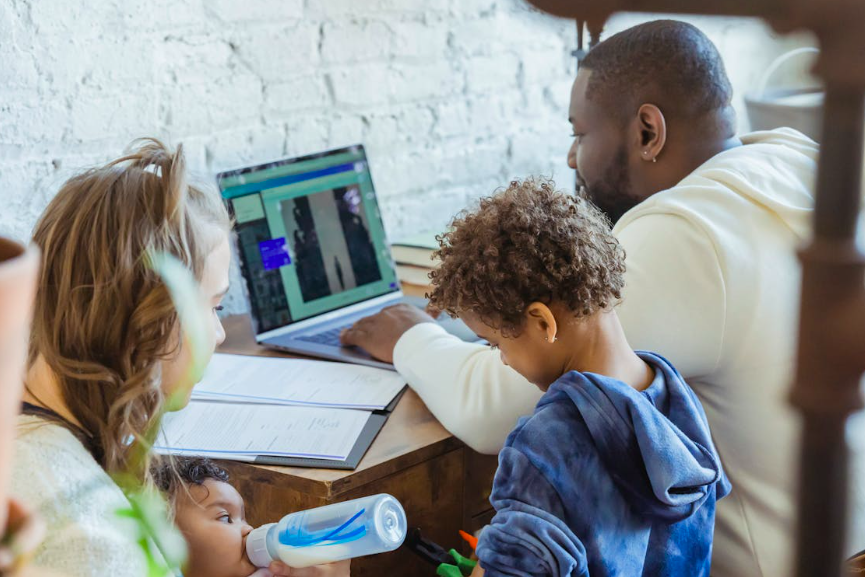
Curiosity-driven projects teach far more than subject knowledge alone. Students also learn how to manage time, organize tasks, communicate ideas, and solve problems independently. These are essential life skills that extend well beyond academics.
Families can support this process by giving students ownership over projects. Allowing learners to choose topics, create goals, and present findings encourages confidence and accountability. Students often become more invested when they feel their ideas matter.
Research projects also provide natural opportunities to practice digital productivity. Students may use note-taking apps, online archives, presentation software, or typing programs while completing assignments. Learning how to navigate these tools effectively helps prepare students for future education and careers.
typing productivity skills can improve both efficiency and confidence during longer writing and research tasks.
Creating a comfortable workspace matters too. Students who spend time reading, researching, and typing benefit from supportive ergonomic setups that reduce physical strain during digital learning sessions. Guidance on creating healthier screen setups can help learners stay focused and comfortable while working on projects.
It is also important to encourage consistency instead of perfection. Research projects sometimes involve mistakes, dead ends, or changing ideas. These moments help students build resilience and adaptability while learning how to think critically and revise their approach.
Daily routines can support stronger project habits as well. Structured mornings often help homeschool students transition into focused learning more smoothly. Families may benefit from developing healthy digital routines for students that encourage organization and concentration before beginning research activities.
online learning confidence also grows when students successfully complete projects that require independent thinking and digital skills.
Curiosity-driven homeschooling creates an environment where learning feels purposeful and exciting. Instead of memorizing information temporarily, students actively investigate topics that matter to them personally. This approach strengthens research abilities while encouraging creativity, independence, and deeper understanding.
As students explore questions, organize ideas, and communicate discoveries, they develop valuable skills that support future academic success and lifelong learning. When paired with strong typing habits and thoughtful digital literacy, curiosity-driven projects can transform homeschooling into a truly engaging educational experience.
Not on Typesy Yet? You're Missing Out!
Master typing, boost productivity, and enhance digital literacy with Typesy—the leading platform for adaptive and engaging typing education. Whether you're an individual learner, a homeschool educator, or managing a classroom, Typesy has the perfect solution for you!
Choose Your Ideal Experience:
 Get Started with Typesy Today! – Transform the way you learn and teach typing!