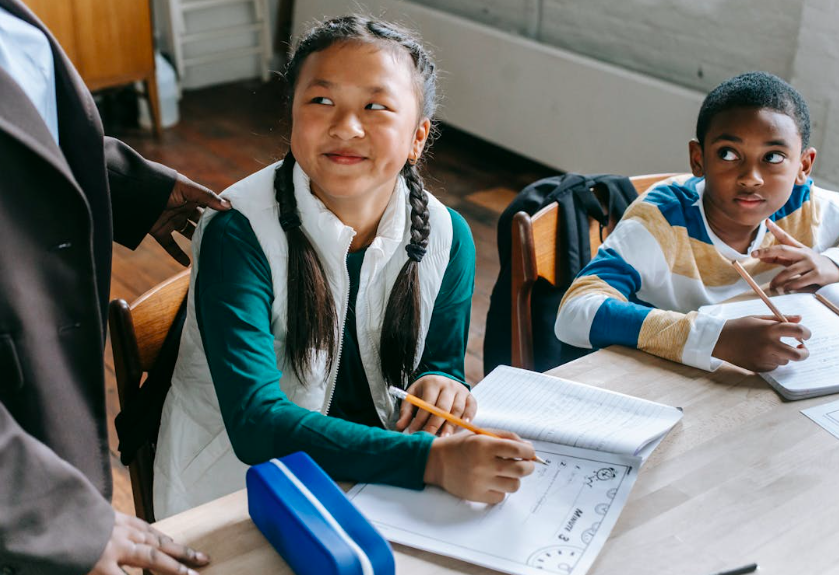
Many students believe success comes from intense bursts of motivation. They wait for the perfect moment to study harder, practice longer, or completely transform their habits overnight. In reality, long-term learning often depends less on motivation and more on consistency.
Digital learning systems work best when they encourage small, repeatable actions instead of overwhelming students with unrealistic expectations. Consistent practice builds stronger habits, improves confidence, and reduces the stress that often comes from last-minute cramming or inconsistent routines.
This idea applies to nearly every area of learning, especially typing. Students who practice keyboarding for short periods regularly often improve more steadily than learners who only practice occasionally for long sessions. Daily repetition helps build muscle memory, strengthen accuracy, and increase comfort with digital tools over time.
Consistency also supports focus and confidence. Students who know what to expect from their routines often feel less overwhelmed by schoolwork and online learning tasks. Instead of relying on unpredictable bursts of energy, they build systems that support gradual improvement.
The goal of a strong learning system is not perfection. It is creating an environment where progress becomes easier to maintain consistently.
Why Consistency Matters More Than Intensity

Short-term motivation can feel powerful, but it rarely lasts forever. Students who depend entirely on feeling inspired may struggle to maintain momentum when learning becomes difficult or repetitive.
Consistent systems reduce this problem by turning productive behaviors into regular habits. For example, a student who practices typing for fifteen minutes every day may improve faster over time than someone who practices for two hours once a month.
Typing is a perfect example of how repetition strengthens skill development. Touch typing relies heavily on muscle memory, which grows gradually through steady practice. Personalized tools like AI-powered typing lessons can help students build routines that feel engaging and manageable instead of overwhelming.
Morning structure also influences consistency. Students who begin the day with organized routines often transition into focused learning more smoothly. Building healthier daily habits for digital learners can improve concentration and reduce procrastination during online tasks.
Comfort matters too. Students are more likely to maintain productive habits when their workspace feels supportive and physically comfortable. Poor posture, awkward seating, or uncomfortable lighting can slowly reduce motivation and focus. Resources about creating pain-free screen setups can help students stay comfortable during longer digital learning sessions.
Consistency also builds confidence because students begin noticing gradual improvement. Small wins accumulate over time, making larger goals feel more achievable.
Master Typing & Digital Skills with Typesy!
Go beyond keyboarding—Typesy helps you boost digital literacy, productivity, and efficiency in today’s tech-driven world.



Building Systems That Support Learning
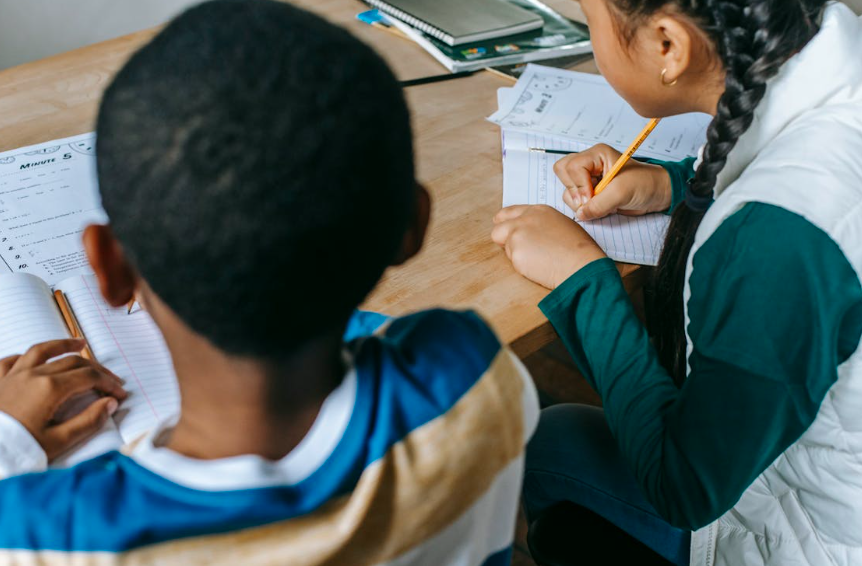
Effective learning systems remove unnecessary obstacles. Instead of depending on willpower alone, they make productive habits easier to repeat consistently.
One helpful strategy is reducing friction during digital tasks. Keyboard shortcuts, organized files, and efficient workflows save time and reduce mental fatigue. Students can improve productivity by learning smarter ways to navigate digital work while completing assignments and online research.
Physical environments also shape learning habits more than many students realize. Organized, comfortable spaces help learners stay focused and mentally prepared for digital work. Families may benefit from exploring ideas for building healthier and cooler study areas that support concentration throughout the day.
Consistency becomes easier when learning feels meaningful. Hands-on activities and real-world projects often increase engagement because students can see the purpose behind their work. Creative learning opportunities inspired by practical skill-building projects encourage students to apply digital skills in more interactive ways.
Typing practice can become part of these systems naturally. Students may use keyboarding skills while researching topics, writing reflections, collaborating online, or creating presentations. The more consistently they use typing in meaningful contexts, the stronger and more automatic those skills become.
Digital safety should remain part of consistent learning habits as well. Responsible online behavior helps students navigate educational tools and digital spaces more confidently. Families can reinforce these habits through guidance on safe online learning practices and responsible technology use.
Students should also remember that consistency does not mean perfection. Missing a day of practice or struggling with focus occasionally is normal. What matters most is returning to the system and continuing gradual progress over time.
Strong learning systems support independence because they teach students how to manage habits, organize tasks, and build routines that work for them personally. These skills become increasingly valuable as digital learning continues growing in education and everyday life.
The most successful learners are not always the ones who work the hardest in short bursts. Often, they are the students who build steady habits, practice consistently, and create environments that make learning sustainable over time.
Not on Typesy Yet? You're Missing Out!
Master typing, boost productivity, and enhance digital literacy with Typesy—the leading platform for adaptive and engaging typing education. Whether you're an individual learner, a homeschool educator, or managing a classroom, Typesy has the perfect solution for you!
Choose Your Ideal Experience:
 Get Started with Typesy Today! – Transform the way you learn and teach typing!