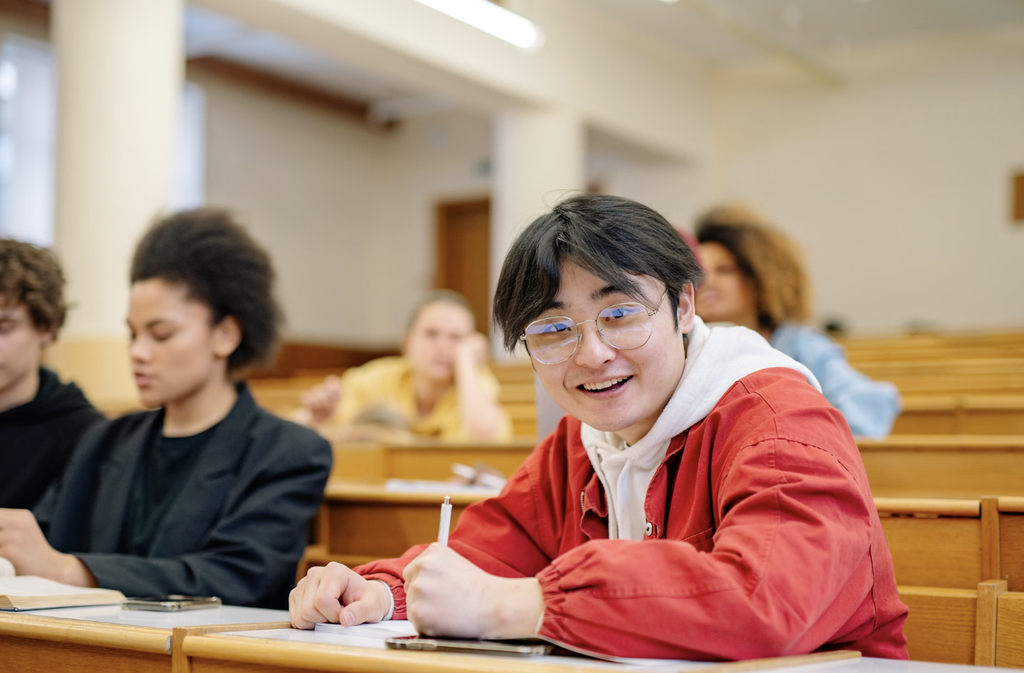
Every student learns differently. Some understand new concepts quickly through demonstrations, while others benefit from repeated practice, visual examples, or additional time to explore challenging material. In a traditional classroom, meeting every learner’s needs can be difficult when students progress at different rates.
Digital learning offers new ways to make education more flexible and responsive. Through interactive activities, progress tracking, and personalized practice, digital platforms can help students work toward individual goals while receiving support where they need it most. Rather than expecting everyone to follow exactly the same path, personalized learning recognizes that students can reach meaningful outcomes through different approaches.
Make Learning More Personal and Purposeful
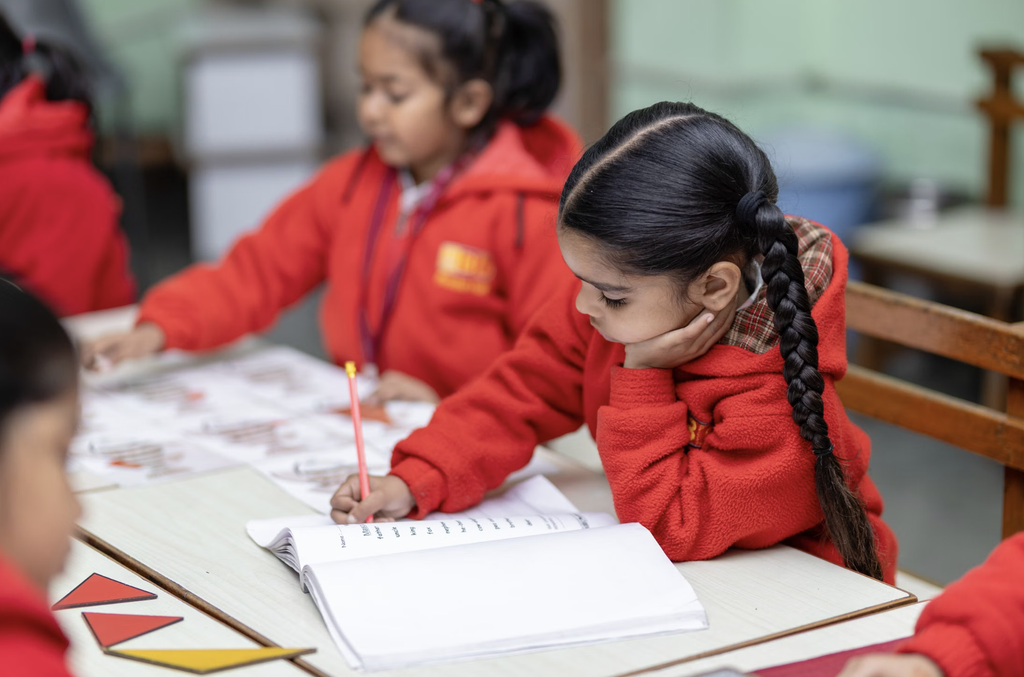
Personalized learning focuses on adapting educational experiences to a student’s current abilities, goals, and progress. In a digital environment, this might involve adjusting the difficulty of exercises, revisiting concepts that need reinforcement, or allowing learners to move forward when they demonstrate understanding.
For example, a student who quickly understands a mathematics concept may benefit from more challenging problems, while another may need additional examples before feeling confident. Similar approaches can support reading, writing, and digital skills. Students can spend more time practicing specific weaknesses instead of repeating activities they have already mastered.
This flexibility can also encourage greater independence. When learners can review their progress and identify areas for improvement, they gain a clearer understanding of their strengths and challenges. Teachers and parents can use this information to offer targeted guidance rather than relying exclusively on general observations.
Personalization does not mean removing educators from the learning process. Teachers remain essential for explaining complex ideas, providing encouragement, and helping students make connections between subjects. Digital tools work best when they complement thoughtful instruction and meaningful human interaction.
Another advantage is the opportunity to learn at a manageable pace. Students who feel rushed may become frustrated, while those who are ready for additional challenges may lose interest when activities are too easy. A more adaptable experience can help learners remain engaged without making progress feel like a competition.
Developing these habits also requires active participation. Students should ask questions, reflect on their results, and understand why particular skills matter. For example, learning strategies that strengthen critical thinking can help students evaluate information, solve problems, and take greater ownership of their educational experience.
Master Typing & Digital Skills with Typesy!
Go beyond keyboarding—Typesy helps you boost digital literacy, productivity, and efficiency in today’s tech-driven world.


Build Confidence Through Skills and Progress

One of the most valuable aspects of personalized digital learning is its potential to make progress visible. When students can see improvements over time, they may feel more motivated to continue practicing. Small achievements, such as completing a challenging exercise or improving accuracy, can reinforce the connection between effort and development.
Typing provides a practical example. Students frequently use keyboards to write essays, complete assignments, research topics, and communicate online. Yet their typing abilities can vary considerably. Some may already type comfortably, while others still look down to locate keys or struggle to maintain accuracy.
A personalized typing program can help learners focus on the areas that need attention. Beginners might concentrate on correct finger placement and familiarizing themselves with the keyboard. More experienced typists may work on accuracy, rhythm, and speed. With regular practice and appropriate challenges, students can gradually develop greater keyboard confidence.
These skills have applications beyond typing lessons. Students who become more comfortable at the keyboard can apply their abilities to research reports, digital presentations, creative writing, and other school projects. Resources exploring how typing supports long-term digital confidence can help educators understand the value of developing keyboard proficiency as part of broader digital literacy.
Personalized learning can also support different interests and goals. A student who enjoys storytelling might practice typing by writing short narratives, while another might create notes about science or history. Connecting practice with meaningful activities can make learning feel more relevant and enjoyable.
However, technology alone does not guarantee better outcomes. Students need appropriate guidance, reliable access to devices, and opportunities to practice without unnecessary distractions. Progress indicators should be used to guide instruction rather than label students or create pressure to perform. Privacy and accessibility should also remain important considerations when choosing digital learning tools.
(cta_master_typing_and_digital_skills)
Parents and educators can strengthen the experience by checking in regularly. Ask learners what they find challenging, which activities help them understand a concept, and what they would like to improve next. These conversations help ensure that personalization reflects actual learning needs instead of relying entirely on automated recommendations.
It is also important to balance digital activities with discussion, hands-on projects, reading, movement, and collaboration. A well-rounded education combines the convenience of technology with experiences that build social skills, creativity, and practical understanding.
Ultimately, personalized digital learning offers students a more flexible way to develop knowledge and essential skills. By combining targeted practice, visible progress, supportive instruction, and meaningful goals, educators and families can help learners build confidence and become more independent. When the learning experience adapts to the student, education becomes better equipped to support different starting points and encourage continued growth.
Not on Typesy Yet? You're Missing Out!
Master typing, boost productivity, and enhance digital literacy with Typesy—the leading platform for adaptive and engaging typing education. Whether you're an individual learner, a homeschool educator, or managing a classroom, Typesy has the perfect solution for you!
Choose Your Ideal Experience:
 Get Started with Typesy Today! – Transform the way you learn and teach typing!