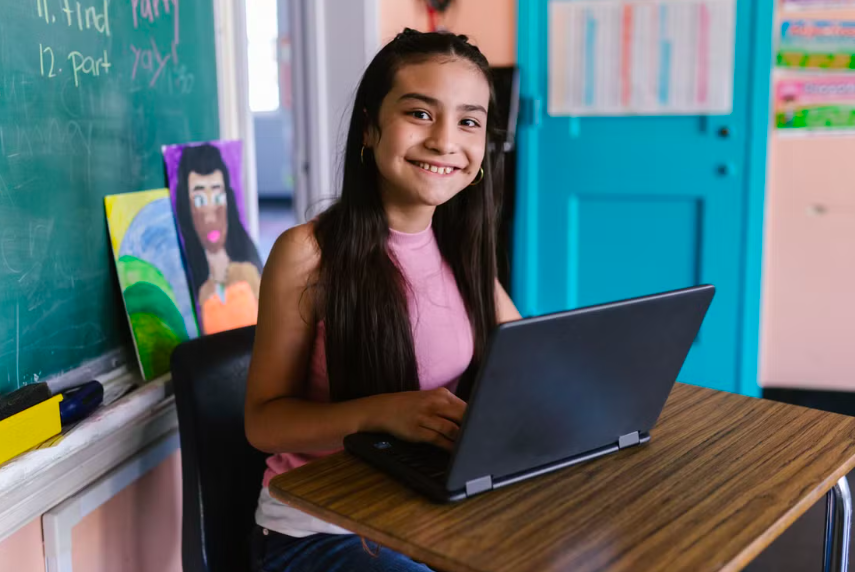
In today’s digital classrooms, students are expected to use technology for learning, communication, and creativity. From writing assignments to completing online activities, typing has become a skill that supports nearly every part of a student’s academic experience.
However, becoming a confident typist does not happen instantly. Like reading, writing, or any other important skill, typing requires practice, guidance, and consistency. School typing programs help students move from simply finding keys to developing strong touch typing habits that support speed, accuracy, and confidence.
Touch typing teaches students how to use the keyboard efficiently by placing their fingers correctly and reducing the need to look down while typing. This allows learners to focus more on their thoughts and less on the mechanics of entering information.
The Journey to Typing Confidence

Every student begins their typing journey at a different level. Some may already be familiar with keyboards, while others may be completely new to digital devices. A structured typing program helps meet students where they are and guides them through each stage of improvement.
For beginners, typing instruction focuses on building familiarity. Students learn key placement, finger positioning, and basic movements. These early lessons create the foundation for better habits and help students feel comfortable using technology.
As students continue practicing, they begin developing muscle memory. Their fingers start recognizing patterns, allowing them to type more naturally. This gradual improvement helps students increase both accuracy and confidence.
Typing fluency becomes especially valuable as schoolwork becomes more digital. Students use keyboards for essays, research, presentations, and online collaboration. Strong typing skills allow them to complete these tasks more efficiently and communicate their ideas more effectively.
Digital learning also requires students to understand how to use technology responsibly. As learners become more independent online, they benefit from lessons about staying safe and making smart choices in digital spaces.
Consistent practice plays a major role in improvement. Students who develop regular learning habits can continue building their abilities over time. Simple routines, including structured habits for students growing up with technology, can support better focus and progress.
Modern typing programs also make skill development more personalized. Students can receive practice that matches their needs, helping them improve at a comfortable pace. Features such as AI-powered typing lessons tailored to individual learners help make typing practice more engaging.
Master Typing & Digital Skills with Typesy!
Go beyond keyboarding—Typesy helps you boost digital literacy, productivity, and efficiency in today’s tech-driven world.



Why School Typing Programs Matter

A school typing program provides more than keyboard practice. It helps students develop digital confidence that can benefit them throughout their education and future careers.
Typing accuracy and speed allow students to spend less time correcting mistakes and more time focusing on ideas. This is especially important as assignments become more complex and require stronger written communication.
Confident typists are also more comfortable exploring technology. They can navigate digital tools, complete tasks, and participate in online activities without feeling limited by their keyboard skills.
Typing education also supports productivity. Students who learn efficient digital techniques, including ways to use keyboard shortcuts to improve computer tasks, can complete work more smoothly and develop better technology habits.
Schools can also use typing instruction to encourage healthier computer use. Since students spend many hours working with devices, proper posture and workspace awareness are important. Learning good habits early helps students maintain comfort while using technology.
Beyond the classroom, typing skills connect to real-life situations. Students use typing for communication, creative projects, research, and future workplace tasks. Practical activities allow them to understand how their skills apply outside school.
Families can support this growth by encouraging technology use in positive ways. A comfortable learning environment, regular practice, and opportunities to explore digital tools can all strengthen student confidence.
Typing is also a skill that continues to improve with use. A student who begins learning in elementary school can continue refining their abilities throughout middle school, high school, and beyond. Each stage builds on the previous one, creating a strong foundation for lifelong digital success.
School typing programs give students the opportunity to develop a skill that will remain valuable in an increasingly digital world. By moving from beginner practice to confident typing, students gain the ability to communicate faster, work more effectively, and approach technology with greater independence.
With the right instruction and encouragement, typing becomes more than a classroom activity. It becomes a tool that helps students learn, create, and prepare for the future.
Not on Typesy Yet? You're Missing Out!
Master typing, boost productivity, and enhance digital literacy with Typesy—the leading platform for adaptive and engaging typing education. Whether you're an individual learner, a homeschool educator, or managing a classroom, Typesy has the perfect solution for you!
Choose Your Ideal Experience:
 Get Started with Typesy Today! – Transform the way you learn and teach typing!