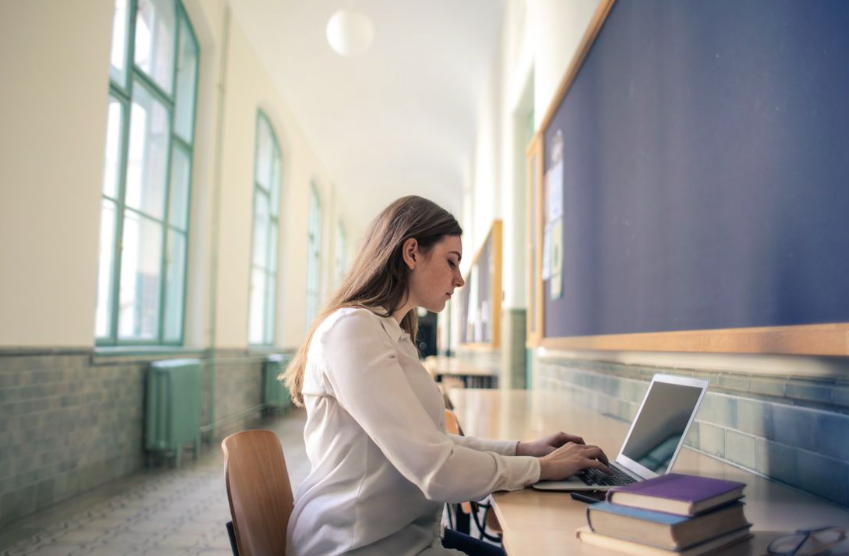
Students are surrounded by technology from an early age. Computers, tablets, and digital tools have become important parts of learning, communication, and creativity. As students spend more time typing and interacting with devices, it becomes essential to teach healthy computer habits before poor practices become difficult to change.
One of the most important habits students can develop is proper keyboard posture. Good posture supports comfortable typing, improves focus, and helps learners build better relationships with technology. By teaching ergonomics early, schools can help students create habits that support their digital experiences for years to come.
Typing is more than just pressing keys. It involves hand placement, body position, movement, and coordination. When students learn the correct techniques from the beginning, they are more likely to type efficiently while maintaining comfort.
Starting Healthy Typing Habits Early

Many students begin using keyboards without formal instruction. They may lean too close to screens, place their hands incorrectly, or develop awkward typing styles simply because they have not been shown a better approach.
Teaching keyboard posture early gives students the tools they need to avoid these habits. Proper positioning includes sitting comfortably, keeping wrists relaxed, placing fingers correctly, and maintaining an appropriate distance from the screen.
When students practice proper typing techniques, they build muscle memory. Over time, correct movements become natural, allowing them to type more smoothly and confidently. This is especially valuable as schoolwork becomes more technology-focused and students complete longer digital assignments.
Healthy technology use also includes understanding how to interact with digital environments responsibly. Along with physical habits, students benefit from learning ways to stay secure and responsible online as they use technology for learning.
Creating consistent routines can also support better learning habits. Students who develop organized approaches to their day, including effective routines for young digital users, may find it easier to balance screen time, schoolwork, and practice.
Modern typing instruction can make it easier for students to build these habits. Personalized lessons and guided practice allow learners to improve gradually while receiving feedback. Features like AI-supported typing lessons designed around progress can help students stay motivated as they develop their skills.
Master Typing & Digital Skills with Typesy!
Go beyond keyboarding—Typesy helps you boost digital literacy, productivity, and efficiency in today’s tech-driven world.



Creating Comfortable Digital Learning Spaces

Proper keyboard posture works best when combined with a supportive learning environment. Students need spaces where they can focus, move comfortably, and use technology without unnecessary strain.
Typing instruction helps students understand that speed is not the only goal. Accuracy, comfort, and efficiency are equally important. A student who types correctly can complete tasks with less frustration and more confidence.
As learners complete digital assignments, they can also benefit from improving their overall computer skills. Small techniques, such as using keyboard shortcuts to improve efficiency, can help students work smarter while reducing repetitive actions.
Ergonomics should become a regular part of digital education. Students spend many hours at computers, and small adjustments can make a meaningful difference. Proper seating, desk height, and screen placement all contribute to better habits. Learning about how seating choices affect comfort and posture helps students become more aware of their workspace.
Schools can encourage healthier computer habits by incorporating posture reminders and typing practice into everyday learning. When students understand why good posture matters, they are more likely to apply these habits independently.
Families can also reinforce these lessons at home by creating spaces that support healthy technology use. A comfortable study area can encourage better focus and more productive learning routines. Simple improvements inspired by building a healthier learning space can make daily practice more enjoyable.
Typing skills become even more meaningful when students apply them to real-world tasks. Whether they are writing, researching, creating projects, or collaborating online, proper typing habits support their ability to use technology effectively.
Developing strong keyboard posture is a small step that can have a lasting impact. Students who learn healthy habits early are better prepared to handle the demands of digital learning and future technology use.
By teaching proper keyboard posture before bad habits develop, educators give students a foundation for comfortable, confident, and productive typing. These skills can support academic success today while preparing learners for a future where digital tools continue to play a major role.
Not on Typesy Yet? You're Missing Out!
Master typing, boost productivity, and enhance digital literacy with Typesy—the leading platform for adaptive and engaging typing education. Whether you're an individual learner, a homeschool educator, or managing a classroom, Typesy has the perfect solution for you!
Choose Your Ideal Experience:
 Get Started with Typesy Today! – Transform the way you learn and teach typing!