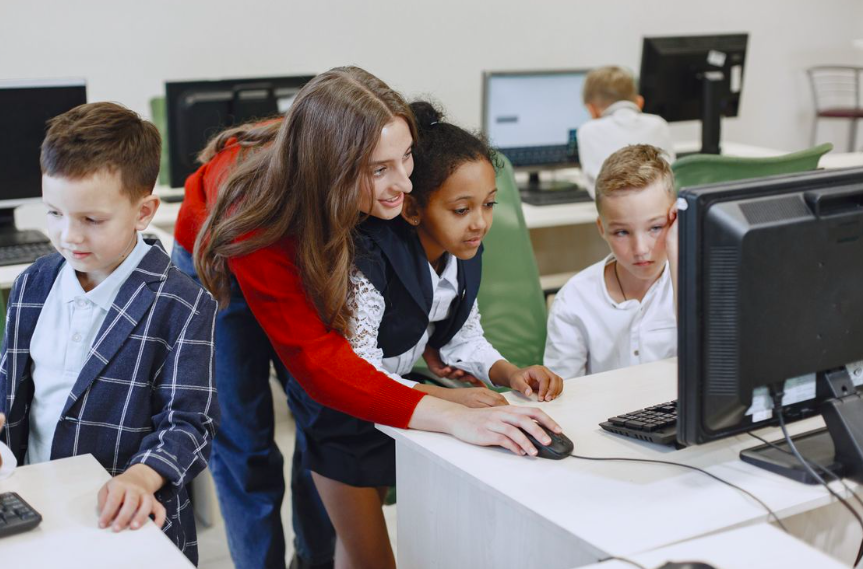
Education continues to evolve as technology becomes a bigger part of the classroom experience. Today’s students are learning through a combination of traditional instruction, digital tools, virtual platforms, and online resources. These blended and online learning environments provide flexibility and new opportunities—but they also require students to have the right skills to succeed.
One of the most important skills supporting digital learning is typing. A strong typing foundation allows students to communicate ideas, complete assignments, and participate in online activities more efficiently. Typing programs help learners develop this ability while building confidence in navigating technology.
As students spend more time working on computers, typing becomes more than a basic skill. It becomes a tool that supports communication, organization, and independence in a digital-first world.
Why Typing Matters in Online Learning
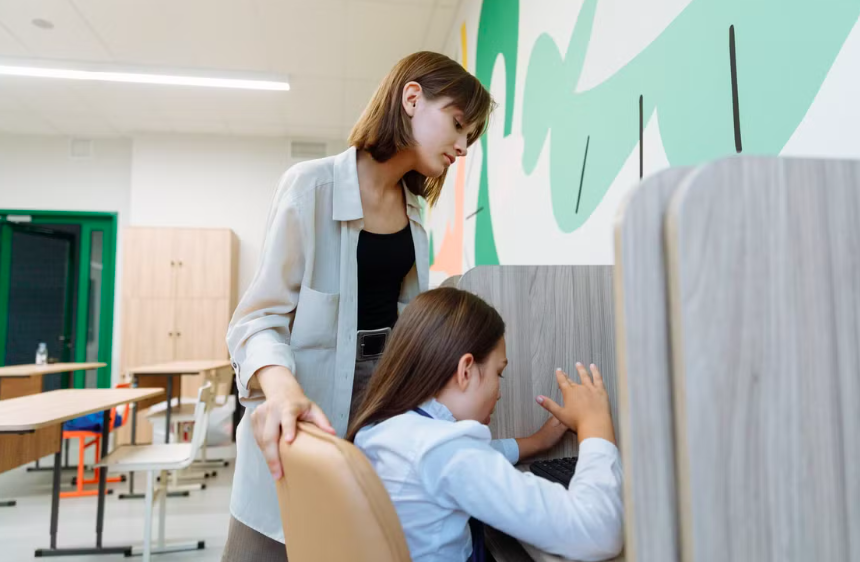
Blended learning combines face-to-face instruction with digital activities, while online learning depends heavily on technology for communication and coursework. In both settings, students need to interact with devices regularly. They may submit assignments, write responses, collaborate with classmates, and research information online.
Without effective typing skills, students may spend more time focusing on keyboard use instead of learning. Slow or inefficient typing can make digital tasks feel more challenging and may affect a student’s ability to express ideas clearly.
Typing programs provide structured practice that helps students improve accuracy, speed, and confidence. Through regular lessons, learners develop muscle memory and become more comfortable using keyboards. This allows them to focus on higher-level skills such as creativity, critical thinking, and problem-solving.
Digital learning also requires students to understand how to use online tools responsibly. As they participate in virtual environments, learners benefit from guidance on topics like protecting personal information and staying secure online.
Consistency is another important part of success in online learning. Students who create productive routines can manage their responsibilities more effectively. Simple habits, including building organized routines for digital learners, can support better focus during remote and blended lessons.
Modern typing programs are also designed to meet different learning needs. Personalized practice and adaptive features allow students to improve at their own pace. Tools such as AI-enhanced typing lessons that adjust to learners can make practice more engaging and effective.
Master Typing & Digital Skills with Typesy!
Go beyond keyboarding—Typesy helps you boost digital literacy, productivity, and efficiency in today’s tech-driven world.



Building Confident Digital Learners

A successful digital learning environment is about more than providing students with devices. It is about helping them develop the skills needed to use technology effectively. Typing plays an important role because it connects students with the tools they use every day.
Students with stronger typing abilities often feel more confident completing online assignments and participating in digital discussions. They can communicate faster, organize their thoughts more easily, and spend less time struggling with basic computer tasks.
Typing skills also support future readiness. As careers continue to rely on digital communication, students who are comfortable using technology will have an advantage. Learning efficient methods, such as using keyboard shortcuts to improve digital productivity, can help students develop stronger technology habits.
Comfort is another factor that matters in long-term digital learning. Students often spend extended periods working on screens, making healthy habits essential. Proper workspace awareness and ergonomic choices can help create a better learning experience.
Typing instruction can also encourage students to become more independent learners. When they have confidence with digital tools, they are more likely to explore, create, and solve problems on their own. Technology-based assignments become opportunities for growth rather than obstacles.
Families and schools can work together to support these skills by creating environments where students can practice comfortably. A supportive digital learning space helps students stay engaged and motivated as they build their abilities.
Typing programs can also connect classroom learning with real-world applications. When students use typing skills for research, creative work, and collaboration, they see how these abilities apply beyond school.
As blended and online learning continue to shape education, typing remains a valuable foundation skill. It helps students communicate effectively, complete tasks efficiently, and participate confidently in digital spaces.
By including typing programs in modern learning environments, schools prepare students not only for today’s classrooms but also for the future. A student who can type with confidence has a stronger foundation for lifelong learning, digital communication, and success in an increasingly connected world.
Not on Typesy Yet? You're Missing Out!
Master typing, boost productivity, and enhance digital literacy with Typesy—the leading platform for adaptive and engaging typing education. Whether you're an individual learner, a homeschool educator, or managing a classroom, Typesy has the perfect solution for you!
Choose Your Ideal Experience:
 Get Started with Typesy Today! – Transform the way you learn and teach typing!