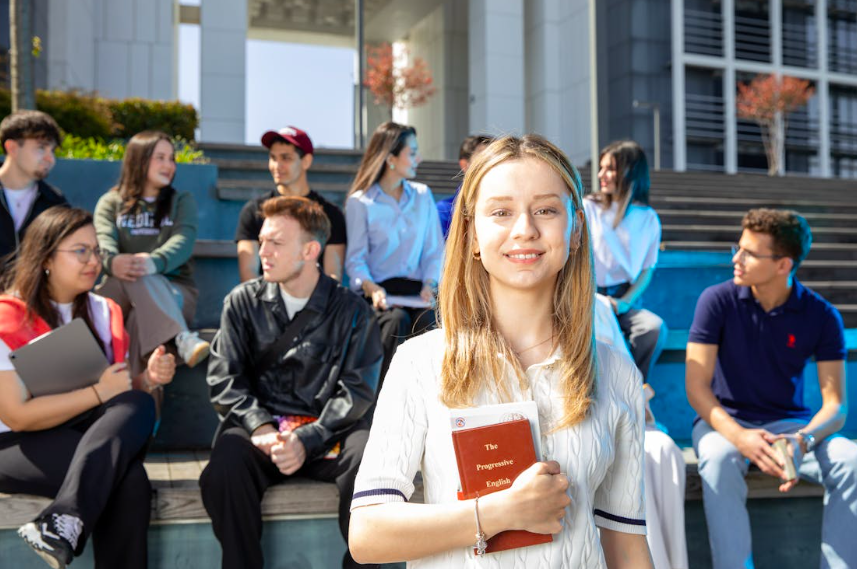
The world is changing faster than ever before. Technology evolves constantly, new careers appear every year, and digital tools continue transforming how people learn, communicate, and work. Because of this, one of the most important 21st century skills students can develop is the ability to keep learning throughout life.
Lifelong skill development is no longer optional. It is becoming essential for adapting to new opportunities, solving problems, and staying confident in a rapidly changing world.
In the past, people often learned one set of skills and used them for decades. Today, industries, technologies, and communication methods change much more quickly. Students who learn how to adapt, improve, and continue growing will be better prepared for future challenges.
This does not mean students must master every new trend or tool immediately. Instead, lifelong learning focuses on curiosity, flexibility, and the willingness to improve over time.
Typing is one of the clearest examples of a lifelong digital skill. Keyboarding supports communication, research, collaboration, organization, and productivity across nearly every academic and professional field. Strong typing skills continue helping students long after formal lessons end because digital communication remains central to modern life.
The most successful learners are often not the people who know everything already. They are the people who remain open to learning new things consistently.
Why Adaptability Matters More Than Ever
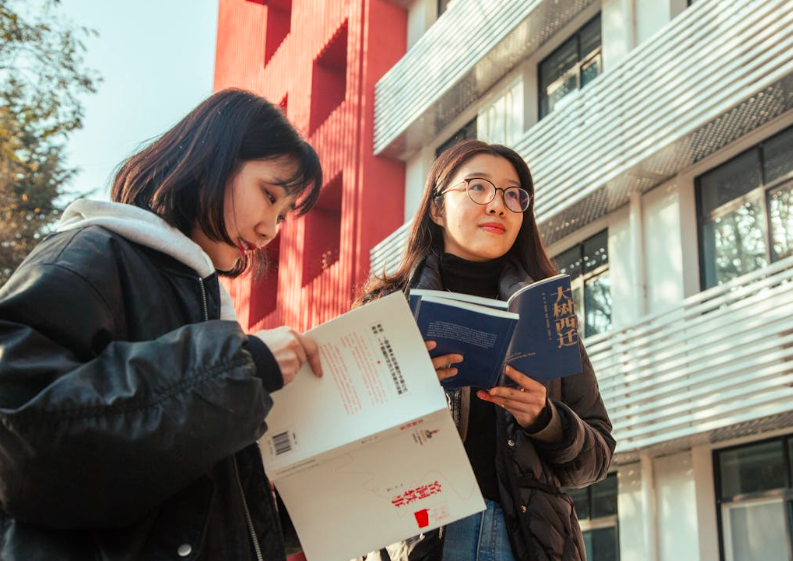
Modern students are growing up in environments filled with constant technological change. New apps, platforms, devices, and communication systems appear regularly. Because of this, adaptability has become just as important as academic knowledge itself.
Students who develop flexible thinking often feel more confident when facing unfamiliar situations. Instead of becoming overwhelmed by change, they learn how to adjust, experiment, and continue improving.
Typing development reflects this process clearly. At first, keyboarding may feel awkward or slow, but consistent practice gradually builds confidence and fluency. Personalized programs offering AI-guided typing development help learners strengthen these skills while adapting to their individual progress and needs.
Healthy routines also support lifelong learning habits. Students who develop structured study patterns often manage change more effectively because they already understand consistency and self-discipline. Families may benefit from creating stronger digital learning routines that encourage focus and long-term growth.
Adaptability also includes learning how to use technology efficiently. Keyboard shortcuts, digital organization, and workflow management save time and reduce frustration during online learning. Exploring smarter ways to navigate digital tasks helps students become more independent learners over time.
Comfortable learning environments contribute to adaptability too. Students who feel physically comfortable while studying or typing are often more willing to practice consistently and explore new skills. Families may benefit from creating healthier screen-based learning spaces that support long-term productivity and focus.
The ability to adapt does not happen overnight. It develops gradually through curiosity, practice, and experience.
Master Typing & Digital Skills with Typesy!
Go beyond keyboarding—Typesy helps you boost digital literacy, productivity, and efficiency in today’s tech-driven world.



Learning Beyond the Classroom
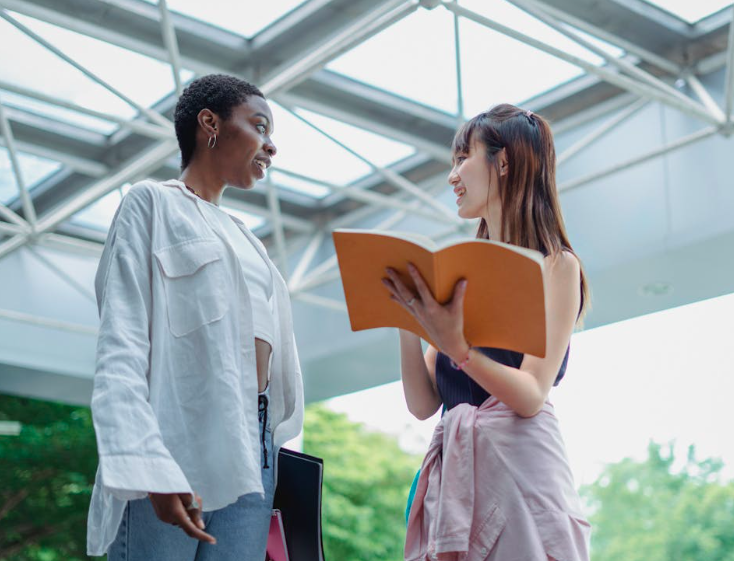
One of the biggest lessons students can learn is that education does not stop after completing a class or assignment. Lifelong learning continues through hobbies, projects, conversations, experiences, and personal interests.
Hands-on activities are especially valuable because they encourage students to solve problems, explore creativity, and apply skills in meaningful ways. Experiences inspired by real-world project-based learning help learners connect education to everyday life while building confidence and independence.
Digital literacy also remains essential for lifelong skill development. Students need to understand how to navigate online spaces responsibly, evaluate information carefully, and protect themselves while learning digitally. Families can support these habits through conversations about safe and responsible online behavior.
Workspace design influences long-term learning habits more than many people realize. Calm and organized environments often support better concentration and reduce mental fatigue during digital tasks. Families may find inspiration in ideas for creating more comfortable and productive study spaces at home.
Typing continues playing an important role because communication increasingly happens through digital platforms. Students who type confidently can participate more actively in online discussions, complete assignments efficiently, and express ideas more clearly across different environments.
Most importantly, lifelong learning teaches students that growth is always possible. Skills can improve with practice, mistakes can become learning opportunities, and challenges can build resilience over time.
The future will continue changing in ways nobody can fully predict. New technologies, industries, and communication tools will keep appearing. Students who develop curiosity, adaptability, digital literacy, and strong typing skills will be better prepared to grow confidently alongside those changes.
In a rapidly evolving world, the ability to keep learning may become the most valuable skill of all.
Not on Typesy Yet? You're Missing Out!
Master typing, boost productivity, and enhance digital literacy with Typesy—the leading platform for adaptive and engaging typing education. Whether you're an individual learner, a homeschool educator, or managing a classroom, Typesy has the perfect solution for you!
Choose Your Ideal Experience:
 Get Started with Typesy Today! – Transform the way you learn and teach typing!