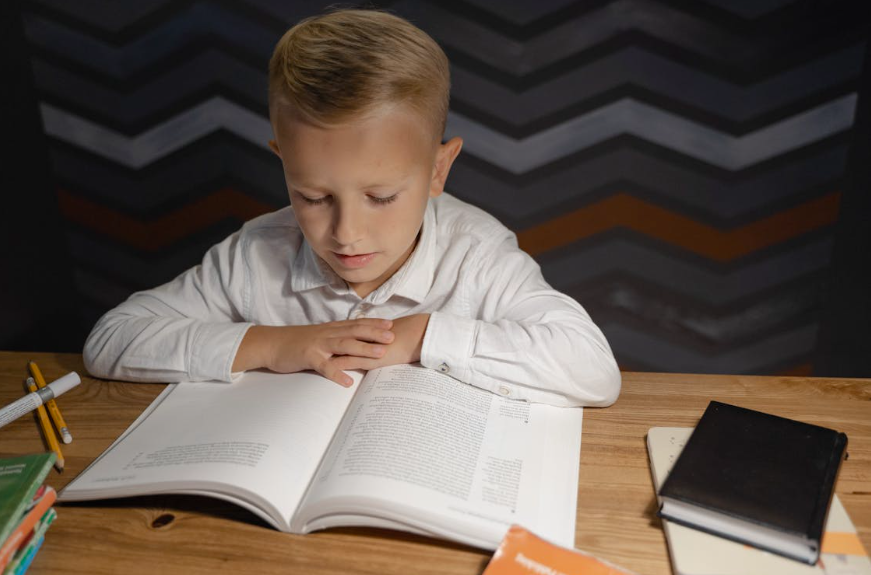
In traditional education, grades are often the primary way to measure progress. They provide clear feedback—but they don’t always tell the full story of a student’s learning.
In homeschooling, parents have the opportunity to go beyond grades and teach something even more valuable: self-assessment.
Self-assessment helps students reflect on their work, recognize their strengths, and identify areas for improvement. Instead of relying on external validation, they learn to evaluate their own progress.
This shift builds independence, confidence, and a deeper understanding of learning itself.
Why Self-Assessment Matters More Than Grades

Grades are simple and familiar, but they can sometimes limit how students think about learning. When the focus is only on scores, students may prioritize results over growth.
They might ask, “What grade did I get?” instead of “What did I learn?”
Self-assessment changes that focus.
When students evaluate their own work, they become more aware of their learning process. They start to recognize patterns—what strategies work, what challenges they face, and how they can improve.
Developing digital learning skills supports this process. Many homeschooling environments rely on digital tools for assignments, research, and practice. When students understand how to use these tools effectively, they can track their progress more independently.
Typing plays a key role here as well. Whether students are writing reflections, completing assignments, or keeping learning journals, strong touch typing skills make it easier to express thoughts clearly and efficiently.
Instead of struggling with the mechanics of typing, they can focus on analyzing their own work and ideas.
Self-assessment also encourages ownership. When learners take responsibility for evaluating their progress, they become more engaged and motivated.
They begin to see learning as something they control, rather than something imposed on them.
Master Typing & Digital Skills with Typesy!
Go beyond keyboarding—Typesy helps you boost digital literacy, productivity, and efficiency in today’s tech-driven world.



Practical Ways to Teach Self-Assessment
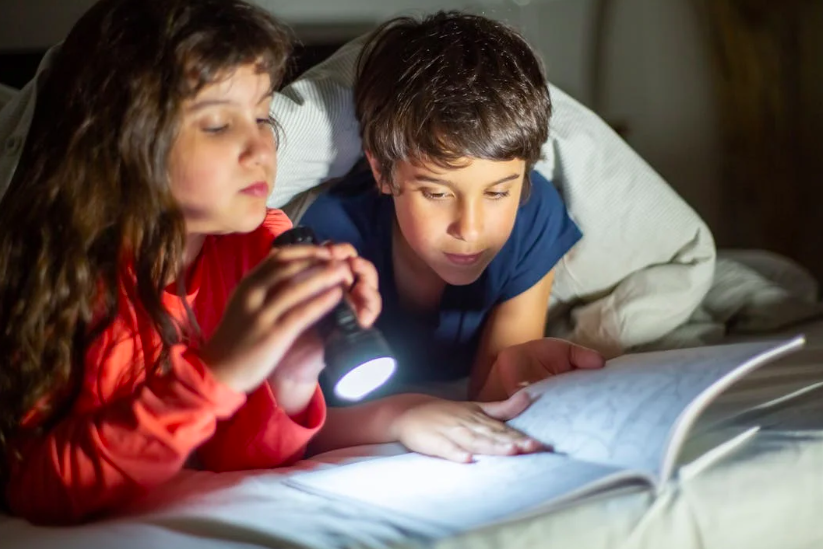
Teaching self-assessment doesn’t require complex systems. Simple, consistent practices can help students build this skill over time.
One effective method is using reflection questions. After completing a task, students can answer questions such as: What did I do well? What was challenging? What would I do differently next time?
These questions encourage deeper thinking and help students connect effort with outcomes.
Another approach is setting clear criteria before starting a task. When students know what success looks like, they can evaluate their work more effectively.
For example, a writing assignment might include goals related to clarity, organization, and accuracy.
Practicing typing accuracy exercises can support this process by helping students develop precision in their written work. When typing becomes more accurate, students can focus on improving content rather than correcting errors.
Checklists are also useful tools. They provide a simple way for students to review their work and ensure they’ve met key expectations.
Over time, these checklists can evolve into more independent evaluation habits.
It’s also important to model self-assessment. Parents can demonstrate how to reflect on tasks, discuss improvements, and think through challenges. This guidance helps students understand what effective self-evaluation looks like.
Teaching safe online habits is another essential part of self-assessment in digital learning. Students need to evaluate not only their work but also the quality of the information they use.
By learning to question sources and verify content, they become more responsible and thoughtful learners.
Finally, consistency is key. Regular opportunities to reflect and evaluate help self-assessment become a natural part of the learning process.
Self-assessment is more than a replacement for grades—it’s a skill that supports lifelong learning.
When students learn to evaluate their own progress, they gain confidence, independence, and a deeper understanding of their abilities.
Typing skills, digital tools, and reflective habits all contribute to this process. Together, they create a learning environment where students are not just completing tasks, but actively growing.
In homeschooling, this approach transforms education from a system of measurement into a journey of self-discovery and continuous improvement.
Not on Typesy Yet? You're Missing Out!
Master typing, boost productivity, and enhance digital literacy with Typesy—the leading platform for adaptive and engaging typing education. Whether you're an individual learner, a homeschool educator, or managing a classroom, Typesy has the perfect solution for you!
Choose Your Ideal Experience:
 Get Started with Typesy Today! – Transform the way you learn and teach typing!