
When people start learning to type, they often focus on speed. They want to type faster, finish tasks quicker, and keep up with the demands of digital learning.
But speed doesn’t come first—familiarity does.
Keyboard familiarity is one of the most important factors in how quickly someone develops typing skills. When learners become comfortable with the layout of the keyboard, their progress accelerates naturally.
Instead of searching for keys, they begin to anticipate them. Instead of hesitating, they move with confidence.
Understanding how keyboard familiarity works can help learners build stronger typing habits and improve their overall learning experience.
How Familiarity Builds Faster Typing Skills
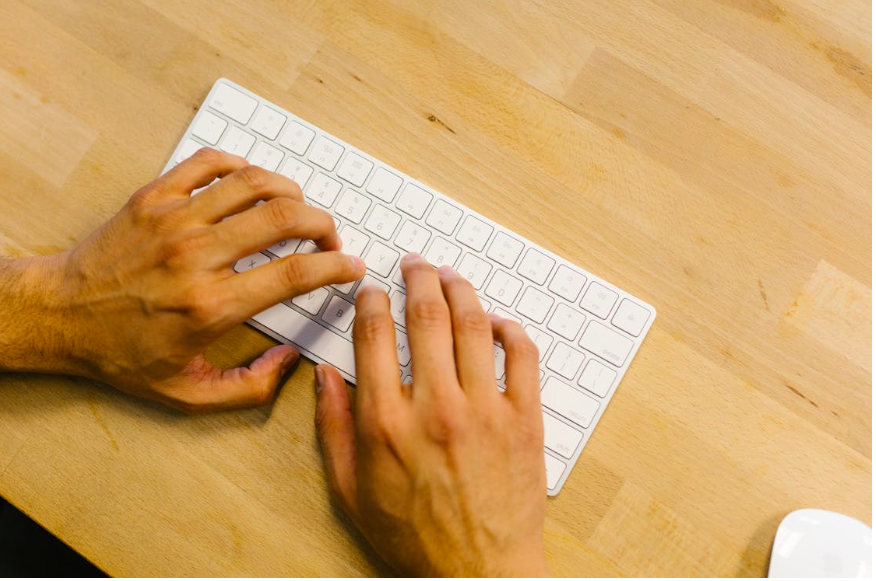
At the beginning of the typing journey, every key feels unfamiliar. Learners must consciously think about where each letter is located, which slows down their typing and increases errors.
This stage requires significant mental effort because the brain is actively managing each movement.
As learners gain experience, something important happens: repetition builds familiarity.
With consistent practice, the brain starts recognizing patterns in key placement. Common letter combinations, word structures, and finger movements become easier to predict.
This is the foundation of touch typing skills.
When familiarity increases, typing begins to shift from a conscious task to an automatic one. Instead of focusing on individual keys, learners can focus on words, sentences, and ideas.
This shift reduces cognitive load and allows for smoother, faster typing.
Familiarity also improves accuracy. When learners know where keys are without looking, they make fewer mistakes and spend less time correcting errors.
Practicing typing accuracy techniques reinforces this process by helping learners build consistent, correct finger movements.
Another benefit of keyboard familiarity is confidence. When learners feel comfortable using the keyboard, they are more likely to engage in digital tasks such as writing, research, and communication.
This confidence supports broader digital learning skills, allowing learners to navigate online environments more effectively.
Master Typing & Digital Skills with Typesy!
Go beyond keyboarding—Typesy helps you boost digital literacy, productivity, and efficiency in today’s tech-driven world.



Strengthening Keyboard Familiarity Over Time

Building familiarity with the keyboard requires consistent and focused practice. However, it’s not just about repetition—it’s about practicing the right way.
One key strategy is using proper finger placement. Learning where each finger should rest and move creates a structured approach to typing. This consistency helps the brain form reliable patterns.
Another important factor is avoiding the habit of looking down at the keyboard. While it may feel helpful at first, it slows down the process of building true familiarity.
Keeping your eyes on the screen encourages the brain to rely on memory rather than visual cues.
Short, regular practice sessions are more effective than long, inconsistent ones. Practicing typing for a few minutes each day helps reinforce familiarity without causing fatigue.
Typing exercises that focus on specific keys or patterns can also accelerate learning. By repeating targeted movements, learners strengthen the connections needed for automatic typing.
It’s also helpful to integrate typing into everyday activities. Writing notes, completing assignments, or even journaling digitally provides additional opportunities to reinforce keyboard familiarity.
Over time, these small moments of practice add up.
Creating a comfortable workspace supports this process as well. Proper posture, keyboard placement, and screen alignment make it easier to maintain consistent hand positioning.
Developing healthy typing habits ensures that learners can practice effectively without strain or discomfort.
Keyboard familiarity is the foundation of all typing progress.
Without it, typing remains slow and effortful. With it, typing becomes smooth, efficient, and almost effortless.
By focusing on consistent practice, proper technique, and building familiarity step by step, learners can accelerate their skill development and gain confidence in their abilities.
In a world where so much communication happens through typing, this familiarity is more than just a technical advantage—it’s a key part of learning, productivity, and digital success.
Not on Typesy Yet? You're Missing Out!
Master typing, boost productivity, and enhance digital literacy with Typesy—the leading platform for adaptive and engaging typing education. Whether you're an individual learner, a homeschool educator, or managing a classroom, Typesy has the perfect solution for you!
Choose Your Ideal Experience:
 Get Started with Typesy Today! – Transform the way you learn and teach typing!