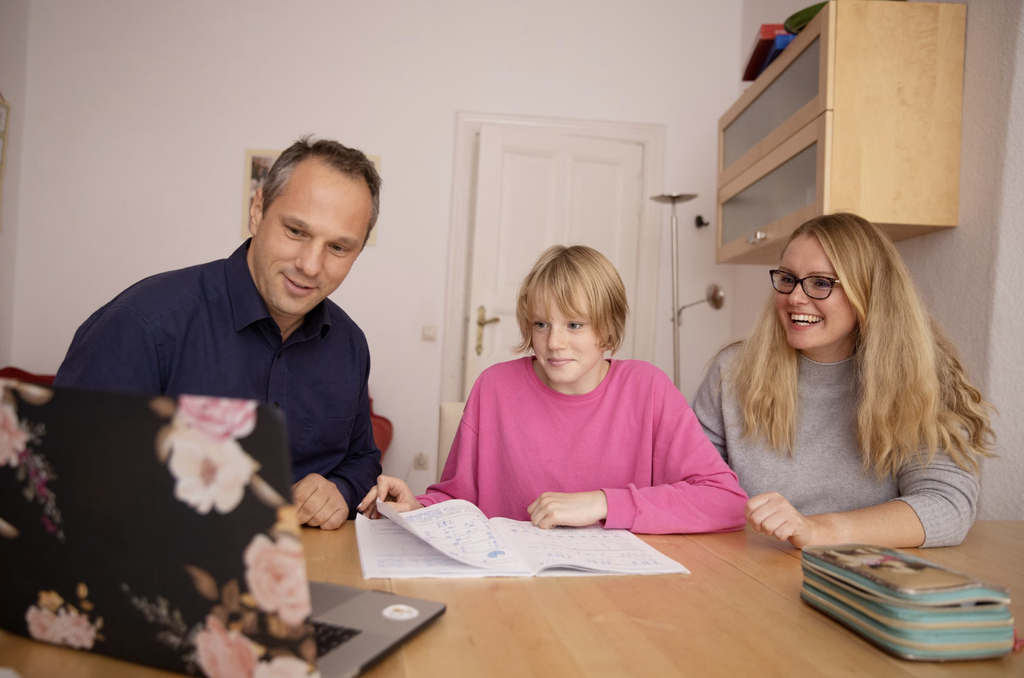
Homeschooling offers families the flexibility to connect academic lessons with the skills children need in everyday life. Beyond reading, mathematics, and science, children can learn how to manage responsibilities, communicate clearly, solve problems, and make thoughtful decisions. Many of these lessons do not require special materials or elaborate lesson plans. They can happen naturally through ordinary household activities.
By incorporating practical experiences into a homeschool routine, parents can help children understand how their knowledge applies beyond textbooks. Cooking breakfast, organizing school supplies, planning a shopping list, or researching a topic online can all become meaningful learning opportunities. With guidance and consistent practice, these everyday experiences can encourage independence and prepare children for future responsibilities.
Turn Everyday Tasks Into Meaningful Lessons
Household routines provide numerous opportunities to develop essential life skills. Cooking, for example, can introduce children to measurement, following instructions, time management, and kitchen safety. Younger learners might measure ingredients or identify kitchen tools, while older students can plan a simple meal, calculate its cost, and organize the steps needed to prepare it.
Shopping activities can also build practical knowledge. Invite children to compare prices, create grocery lists, estimate totals, and distinguish between needs and wants. These tasks reinforce mathematics while encouraging budgeting and thoughtful decision-making. Parents can gradually increase the complexity of activities as children become more confident.
Household responsibilities offer another valuable teaching opportunity. Assigning age-appropriate tasks, such as folding laundry, organizing a bookshelf, or maintaining a study area, helps children practice responsibility and organization. Rather than expecting perfection immediately, parents can demonstrate each task, provide support, and allow children to improve through repetition.
Communication and problem-solving deserve equal attention. Family discussions, collaborative projects, and shared decision-making encourage children to express their ideas, listen to different perspectives, and explain their reasoning. Reading a story together and discussing a character’s choices can also strengthen critical thinking. Parents can explore stories that encourage children to think more deeply to support conversations about consequences, creativity, and decision-making.
Hands-on projects make these lessons especially engaging because children can see the results of their efforts. Gardening, building simple models, or planning a family activity gives learners opportunities to experiment, solve unexpected problems, and adjust their approach. These experiences demonstrate that learning is not limited to worksheets or formal lessons. As children discover connections between concepts and daily responsibilities, they can develop greater confidence in applying what they know.
Master Typing & Digital Skills with Typesy!
Go beyond keyboarding—Typesy helps you boost digital literacy, productivity, and efficiency in today’s tech-driven world.


Build Independence Through Digital and Typing Skills
Life skills also include the ability to use technology responsibly and effectively. Children increasingly rely on digital tools for research, communication, creative projects, and future educational opportunities. Homeschooling provides a convenient setting for introducing these skills gradually, with parents available to offer guidance.
Start with practical activities that have a clear purpose. Children can learn to organize digital files, create a document, write an email, research a question, or prepare a presentation about a subject they enjoy. These projects develop digital literacy while teaching organization, communication, and attention to detail.
Typing is another important skill to incorporate into regular homeschool activities. Children who learn touch typing can gradually improve their keyboard accuracy and speed, making it easier to complete written assignments and communicate their ideas digitally. Parents can introduce short, consistent practice sessions and encourage learners to prioritize accuracy before increasing speed.
For younger learners, typing practice can become part of a simple daily routine. Older students can apply their skills by drafting reports, keeping digital journals, or creating research summaries. Resources on developing typing fluency at different stages of learning can help families understand how keyboarding practice can progress as children’s abilities develop.
It is equally important to establish healthy technology habits. Parents can discuss online privacy, respectful communication, reliable information sources, and appropriate screen use. Demonstrating how to verify information before sharing it helps children become more thoughtful digital citizens.
Families can also connect technology with practical responsibilities. For instance, a child might type a weekly meal plan, create a household chore chart, or prepare a budget spreadsheet with parental supervision. These activities make typing useful beyond formal lessons and reinforce the value of digital skills in everyday situations.
The most effective approach is to keep expectations realistic and adapt activities to each child’s age, interests, and abilities. Some skills may require repeated demonstrations, while others can be developed through independent practice. Offering encouragement and allowing children to learn from mistakes helps build resilience and a willingness to try new tasks.
Ultimately, teaching life skills through homeschooling does not require adding a long list of extra subjects to the schedule. It means recognizing the educational value of ordinary experiences and creating opportunities for children to participate meaningfully. By combining practical responsibilities, thoughtful conversations, hands-on projects, and digital learning, parents can help children become more capable, confident, and independent.
Not on Typesy Yet? You're Missing Out!
Master typing, boost productivity, and enhance digital literacy with Typesy—the leading platform for adaptive and engaging typing education. Whether you're an individual learner, a homeschool educator, or managing a classroom, Typesy has the perfect solution for you!
Choose Your Ideal Experience:
 Get Started with Typesy Today! – Transform the way you learn and teach typing!