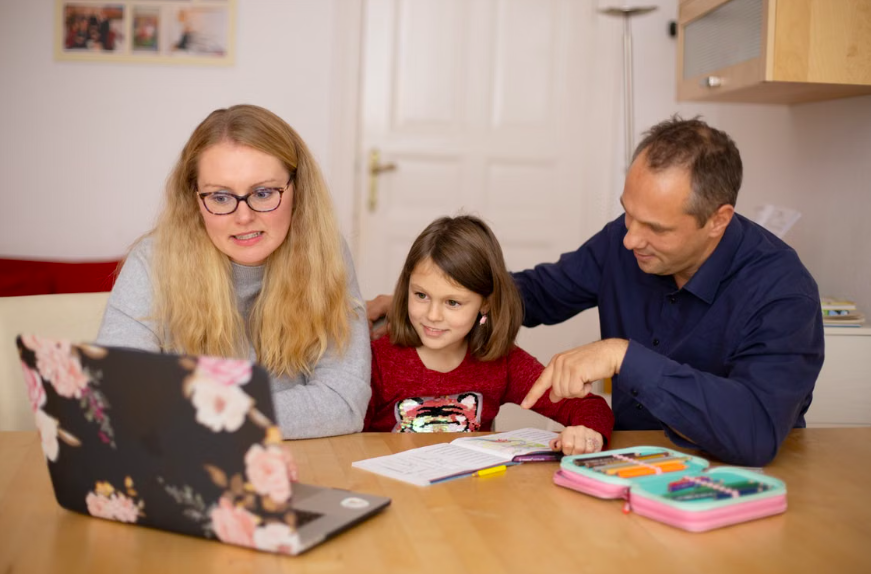
Homeschooling offers something a traditional classroom schedule cannot always provide: flexibility. Families can adjust learning around a child’s pace, interests, energy levels, and everyday responsibilities. But flexibility does not mean learning has to be unstructured.
Without a fixed school timetable, creating a predictable rhythm can help children understand what to expect while still leaving room for adjustments. The goal is not to recreate a classroom at home. Instead, families can establish a routine that provides direction without making every hour rigid.
A flexible homeschool routine can make it easier to balance academic subjects, digital skills, creative activities, breaks, and practical learning. It can also help children gradually develop independence and responsibility for their own learning.
Build a Rhythm Instead of a Rigid Schedule
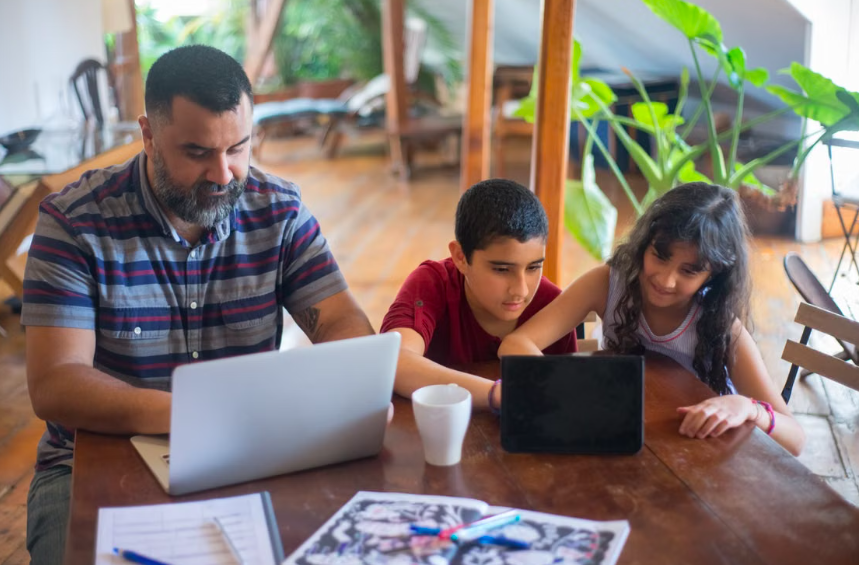
A useful homeschool routine begins with identifying the parts of the day when a child tends to learn best. Some children are ready to concentrate soon after breakfast, while others become more engaged later in the morning. Paying attention to these patterns can help families place more demanding activities when children are most prepared to focus.
Rather than assigning exact times to every activity, parents can create broad blocks. A morning might include reading and mathematics, followed by a break and a digital learning activity. The afternoon could provide time for science, creative projects, outdoor activities, or independent work.
This approach creates consistency without requiring the family to follow the clock throughout the day.
Digital skills can fit naturally into these blocks. TYPING practice, for example, does not always need to take up a long lesson. A short, focused session can become part of the regular learning rhythm. Because keyboard skills support writing and computer-based schoolwork, making touch typing part of the curriculum can give children a practical skill they can use across subjects.
Parents can also make routines easier to follow by using visual cues. A simple checklist, subject cards, or a daily learning board can help children see what comes next without repeatedly asking an adult for instructions.
Master Typing & Digital Skills with Typesy!
Go beyond keyboarding—Typesy helps you boost digital literacy, productivity, and efficiency in today’s tech-driven world.



Leave Room for Curiosity and Change
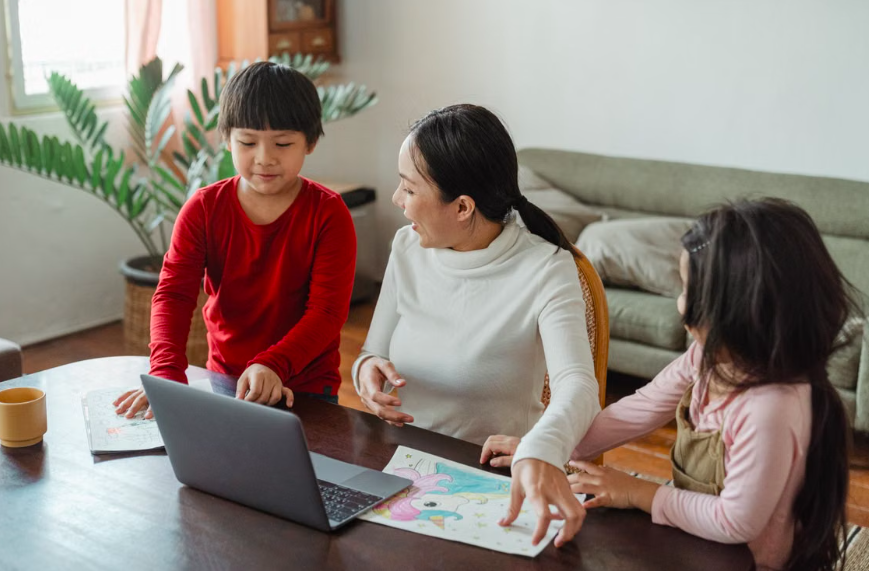
One of the biggest advantages of homeschooling is the ability to adapt when an unexpected learning opportunity appears. A child who becomes fascinated by space might spend additional time researching planets. A cooking project could become a lesson involving measurements, reading, and budgeting. A trip to a museum could lead to writing or research activities afterward.
A flexible routine makes room for these moments without making the entire day feel disrupted.
Hands-on activities can be particularly useful. Learning experiences that begin at home can turn everyday situations into opportunities for children to explore concepts beyond traditional worksheets and textbooks.
It is also helpful to establish a few non-negotiable habits. Regular reading, consistent TYPING practice, completing core academic work, and maintaining a reasonable bedtime can provide stability even when individual days look different.
As children become more comfortable with the routine, parents can gradually give them greater responsibility. A child might choose which subject to complete first, decide when to take a short break, or set a goal for a TYPING practice session. These small decisions encourage time management and independence.
Families can also revisit the routine regularly. A schedule that works well in September may not be ideal several months later. Children’s interests, workloads, and energy levels change, so a successful homeschool routine should be allowed to change with them.
The goal is not to create a perfect timetable. It is to create a dependable learning rhythm that helps children know what matters while giving them enough freedom to explore.
With thoughtful planning, homeschooling can offer both structure and flexibility. A routine can provide the consistency children need without limiting the personalized learning experience that makes homeschooling unique. By combining core academic work with digital skills, TYPING practice, creative exploration, and meaningful breaks, families can build a learning environment that works for the child—not simply around a classroom schedule.
Not on Typesy Yet? You're Missing Out!
Master typing, boost productivity, and enhance digital literacy with Typesy—the leading platform for adaptive and engaging typing education. Whether you're an individual learner, a homeschool educator, or managing a classroom, Typesy has the perfect solution for you!
Choose Your Ideal Experience:
 Get Started with Typesy Today! – Transform the way you learn and teach typing!