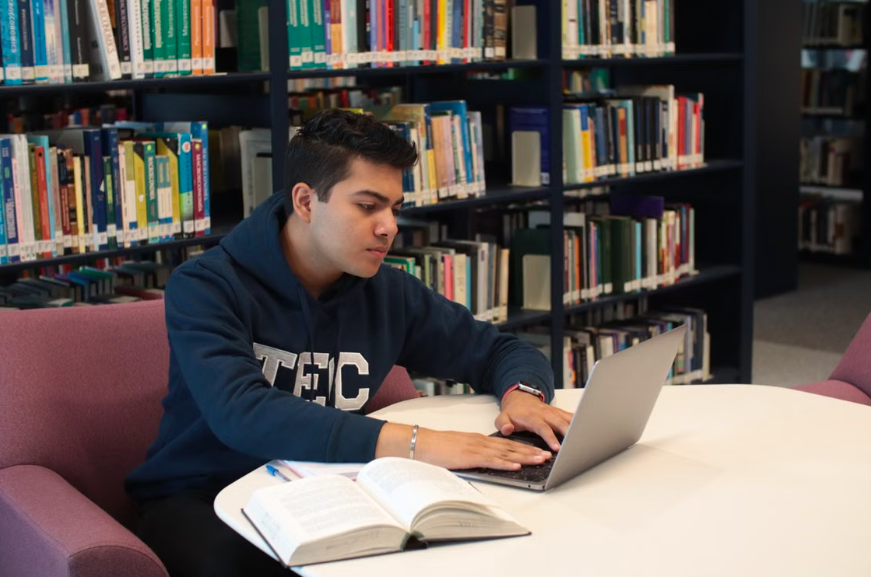
Digital learning does not always require long hours in front of a screen. In fact, shorter, focused learning sessions can often make skill development more manageable, consistent, and effective. When learners work toward a specific goal in small steps, they can build knowledge without feeling overwhelmed.
This approach is especially useful for students developing digital skills. Learning how to type, navigate digital tools, organize information, or complete online assignments can take time. Expecting learners to master everything at once may create frustration. Short sessions provide opportunities to practice one skill, understand it, and gradually build on it.
The key is consistency. A learner who spends 10 or 15 focused minutes practicing regularly may make more meaningful progress than someone who attempts a long session only occasionally.
Why Short Practice Sessions Work

Short learning sessions make it easier for learners to concentrate on a clearly defined task. Instead of trying to cover too much material, they can focus on one concept or skill at a time. This creates a more approachable learning experience while allowing new information to become familiar through repetition.
For example, TYPING practice can be divided into manageable goals. A learner might spend one session working on finger placement, another improving accuracy, and another developing speed. Over time, these individual sessions contribute to stronger typing fluency.
This gradual approach can also support healthier digital learning habits. Students who are learning keyboard skills, for example, benefit from understanding how posture and workstation choices affect their experience. Exploring healthier computer habits for students can help connect skill development with responsible technology use.
Short sessions also make progress easier to recognize. Completing a small lesson, improving accuracy by a few percentage points, or mastering a new keyboard shortcut gives learners tangible evidence that their efforts are paying off.
That sense of progress can encourage learners to continue. Rather than viewing digital learning as one large challenge, they begin to see it as a series of achievable steps.
Master Typing & Digital Skills with Typesy!
Go beyond keyboarding—Typesy helps you boost digital literacy, productivity, and efficiency in today’s tech-driven world.



Turning Small Steps Into Lasting Skills
The real value of short learning sessions comes from repetition and gradual progression. A single practice session may not produce a dramatic improvement, but regular practice allows skills to become more automatic.
This is particularly important when learning TYPING. Touch typing requires coordination, accuracy, and muscle memory. Learners need repeated opportunities to practice correct movements before those movements become natural. Building typing fluency across different grade levels demonstrates why consistent development matters as learners progress through school.
Short sessions can also fit naturally into different parts of the school day. A student might practice for a few minutes before beginning a writing assignment, review a digital skill between lessons, or complete a focused activity as part of a technology class.
Teachers and parents can make this approach even more effective by setting realistic goals. Instead of asking, “How much can you finish today?” they can ask, “What skill can you improve today?” That small change shifts attention from completing large amounts of material to making meaningful progress.
Digital learning can also become more relevant when skills connect to real-world needs. TYPING, for instance, supports writing, research, communication, and many other computer-based activities. Understanding why touch typing belongs in a digital curriculum helps demonstrate how one foundational skill can support broader academic development.
Ultimately, long-term progress does not always come from doing more at once. It often comes from doing something useful, focusing carefully, and returning to it consistently. Short learning sessions give learners the time and space to develop skills without unnecessary pressure.
When digital learning is broken into achievable steps, every session can become part of a larger journey. Small improvements accumulate, confidence grows, and skills that once felt difficult can gradually become second nature.
Not on Typesy Yet? You're Missing Out!
Master typing, boost productivity, and enhance digital literacy with Typesy—the leading platform for adaptive and engaging typing education. Whether you're an individual learner, a homeschool educator, or managing a classroom, Typesy has the perfect solution for you!
Choose Your Ideal Experience:
 Get Started with Typesy Today! – Transform the way you learn and teach typing!