

Building resilient work habits is the primary way to protect your cognitive energy from these constant inputs. Many people find their routines collapse by the middle of the week because their initial scheduling systems require too much effort to maintain. They spend their mornings opening browser tabs and responding to chat alerts, rather than making progress on their primary projects.
This article reviews repeatable systems that appear in behavioral research and workplace psychology studies. You can check the concentration methods through workplace behavior research and data from daily learning habit apps that monitor how users build consistent routines. Let’s examine how specific environmental changes, energy management patterns, microlearning, and morning routines can stabilize your attention!
How Morning Work Blocks Give Your Brain Fewer Decisions
Every minor decision you make in the morning consumes mental energy. Choosing which email to answer first or organizing a disorganized desk uses cognitive resources before you begin your actual tasks. Gloria Mark, a researcher at the University of California, Irvine, studies how digital interruptions affect performance.
Her work shows that it often takes more than 20 minutes to return to a deep focus state after being interrupted. Opening your inbox at 9:00 a.m. can flood your brain with multiple demands, fragmenting your attention and making it harder to sustain deep work in the hours that follow.
Software development teams and independent creators often protect their mornings by using asynchronous communication rules. They do not log into chat systems during the first 90 minutes of the workday.
Deep Work Sessions Start With Fewer Visible Distractions
For example, Author Cal Newport discusses this concept in his book ‘Deep Work’. He notes that high performers schedule fixed windows of uninterrupted time to complete their most demanding cognitive tasks.
This approach prevents a phenomenon called attention residue, where your thoughts remain stuck on a previous email while you try to work on a new project:
- Calendar blocks preserve specific hours for solo projects.
- One active browser tab prevents visual distraction.
- Offline text editors help you write without internet notifications.
- Physical timers show exactly how much focus time remains.
You can implement this habit by writing down your single most important task the night before. When you start work the next day, open that specific project immediately before checking your messages. Place your phone in a separate room or a drawer to keep it out of your field of view.
Your Learning Routine Shapes Daily Attention
The activities you choose during short work breaks affect your ability to concentrate on subsequent tasks. Swiping through social media feeds fills your mind with rapid visual changes and disconnected pieces of information. This type of digital input makes it harder to return to complex professional tasks.
Many professionals replace social media browsing with structured microlearning formats during their lunch breaks or daily commutes. Users focus on dedicated educational platforms like Nibble to complete short, interactive lessons that keep their minds active without causing cognitive fatigue.
The app focuses on all‑around knowledge, offering curated 10‑minute lessons across 20+ topics in STEM, humanities, personal development, art, and general curiosity, all designed to fit into brief, busy‑adult windows of time.
Short Learning Sessions Fit More Easily Into Busy Workdays
For example, the Headway ecosystem offers similar opportunities through nonfiction book summaries and audio overviews of nonfiction texts. Actually, short educational sessions support knowledge retention better than long, irregular study periods. Reading a concise summary of a leadership book or listening to a professional concept during a walk provides a clean mental reset, where you get:
- Short text summaries fit into brief gaps between meetings.
- Audio playback turns your commute into continuous learning time.
- Digital highlights save key ideas for future reference.
- App-based streak systems help you maintain consistency.
Energy Management Has More Effect Than Long To-Do Lists
Schedules often fail because they treat human energy as a fixed asset. A standard eight-hour block does not account for natural fluctuations in alertness and cognitive capacity. Overall output declines sharply after a certain number of working hours, making prolonged focus counterproductive. Most office workers experience a major energy drop in the mid-afternoon, usually between 2:00 PM and 4:00 PM.
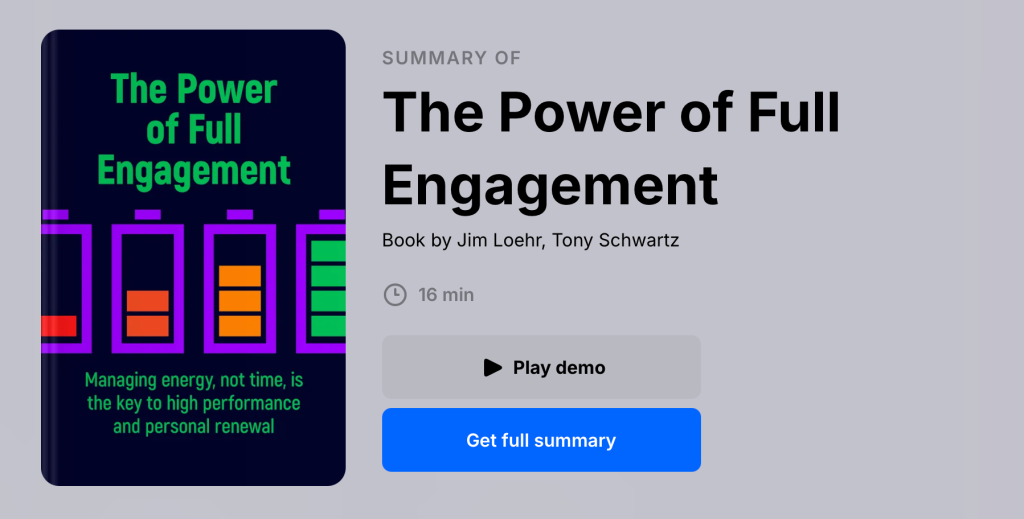
The book ‘The Power of Full Engagement’ by Jim Loehr and Tony Schwartz introduces the concept of managing energy rather than time. The authors explain that human bodies operate on ultradian rhythms, 90-to-120-minute cycles of heightened biological alertness followed by a brief period of fatigue. High-performance habits rely on matching your heaviest tasks to your peak energy periods and taking complete breaks during the low points.
Remote workers often stay glued to their desks all day, which decreases blood circulation and reduces cognitive performance. Mild dehydration and prolonged sitting cause measurable drops in concentration.
Weekly Reviews Help You Notice What Slows You Down
Many professionals repeat frustrating, inefficient schedules week after week because they do not pause to analyze their time usage. They react to emergencies as they happen but never investigate why those emergencies keep occurring. A structured focus review helps you identify which meetings yield results and which ones simply disrupt your deep focus sessions.
David Allen describes a systematic approach to organization in his book ‘Getting Things Done’. He emphasizes the importance of a weekly review to empty your mind of pending tasks and organize your upcoming commitments. People who search for books like ‘Atomic Habits’ often look for these exact types of repeatable review systems to keep their daily actions aligned with their long-term goals.
Friday review checklist:
1. Scan the past calendar for unfinished follow-ups.
2. Check task lists for overdue items.
3. Note recurring sources of daily interruption.
4. Block time for next week’s primary projects.
Teen Productivity Advice Still Shows Up in Adult Work Systems
Many foundational concepts in modern adult productivity workflows originate from educational frameworks designed for younger students. Books such as The ‘7 Habits of Highly Effective Teens’ by Sean Covey introduce basic methods for managing responsibilities and setting long-term priorities. Adults who search for references to this text are often looking for clear, uncomplicated frameworks to manage heavy workloads without feeling overwhelmed.
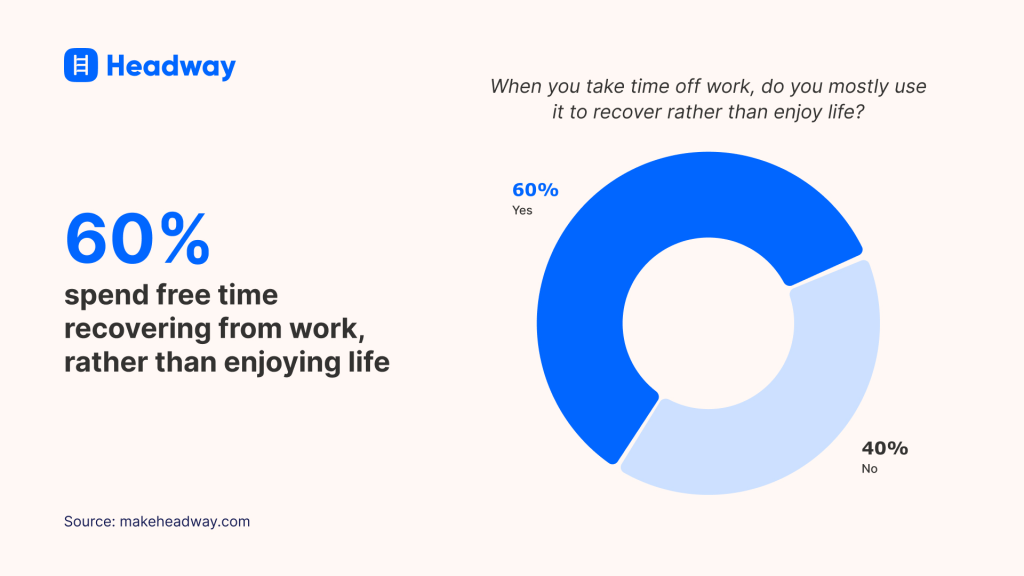
Franklin Covey organizational models emphasize prioritizing tasks based on urgency and importance. The core lesson centers on delayed gratification: finish your primary responsibilities before checking social media or responding to casual messages. Therefore, you would have more time to enjoy your life.
Work Habits Change Faster When the Friction Is Small
Complex productivity systems often fail because they require too much daily maintenance. If you have to fill out multiple spreadsheets and categorize every minute of your day, you will eventually abandon the routine. Behavioral scientist BJ Fogg developed the ‘Tiny Habits’ framework to show that behavior design depends on reducing the initial effort required to complete a task. A prepared physical workspace saves valuable transition time as well as:
- Recurring phone alarms remove the need to constantly check the clock.
- Saved reading lists remove the friction of searching for educational material.
- Automated focus modes toggle do-not-disturb settings without your input.
What These Work Habits Actually Change During a Normal Week
Establishing predictable work habits reduces interruptions and shortens recovery time after unexpected distractions. Additionally, consistent focus comes from simple, repeatable systems. Incorporating short learning routines and nonfiction summaries into your open calendar slots will help you keep your mind sharp without adding stress to your day. You can choose one or two of these methods to test during your upcoming workweek to see which routines keep your attention sustained the longest!