
Many students begin learning touch typing believing it will take years to feel natural. At first, typing without constantly looking at the keyboard can feel slow, awkward, and frustrating. However, what surprises many learners is how quickly muscle memory begins developing once consistent practice starts.
Muscle memory allows the hands to perform repeated movements automatically without requiring constant conscious thought. In typing, this means fingers gradually learn where keys are located through repetition and routine. Over time, the keyboard begins to feel familiar, and movement becomes smoother and more automatic.
This process develops faster than many students expect because the brain is highly adaptable. Even short daily typing sessions can strengthen neural connections and improve coordination surprisingly quickly.
The key is consistency rather than perfection. Students do not need endless hours of practice every day. Small, regular practice sessions often build stronger typing habits than occasional long sessions filled with frustration and fatigue.
Typing is now one of the most important digital skills students can develop. Whether completing assignments, communicating online, researching information, or creating projects, keyboarding plays a central role in modern learning.
Strong typing skills also improve confidence. Students who type comfortably often focus more easily on ideas and creativity instead of worrying about where their fingers belong on the keyboard.
Touch typing may feel difficult at first, but the brain and hands begin adapting much sooner than most learners realize.
How Muscle Memory Builds Through Repetition
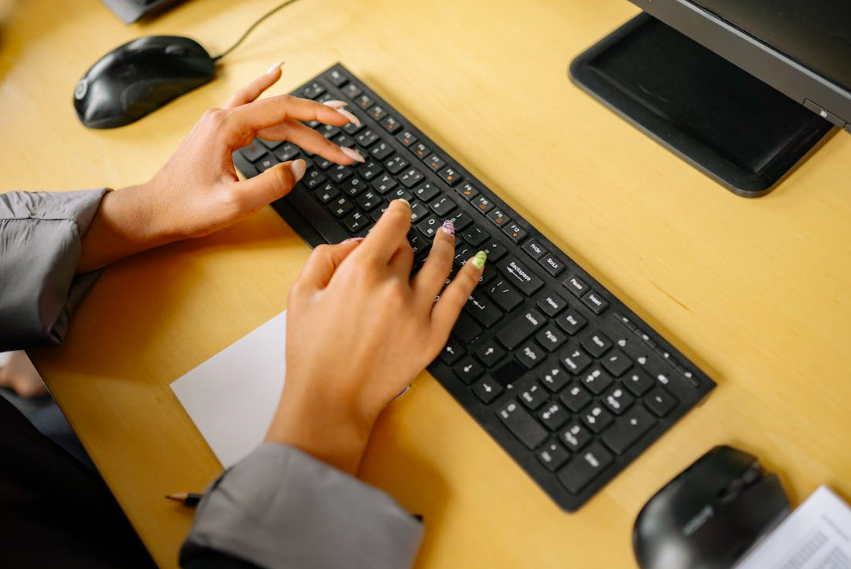
Muscle memory develops when repeated movements become increasingly automatic over time. Each typing session strengthens the connection between the brain, fingers, and keyboard layout.
At the beginning, students often need to think carefully about every key press. They may look down constantly or hesitate between letters. This stage is completely normal. As repetition continues, however, the hands gradually begin moving with less conscious effort.
Consistency is one of the biggest factors in successful typing development. Daily practice, even for short periods, reinforces finger placement and movement patterns more effectively than inconsistent practice.
Personalized learning tools can make this process more engaging and efficient. Programs offering adaptive typing exercises powered by AI help students strengthen weaker areas while building confidence at a comfortable pace.
Healthy routines also support learning progress. Students who practice typing at consistent times each day often build habits more successfully. Families may benefit from creating structured digital routines for learners that encourage steady practice without overwhelming pressure.
Comfort matters too. Poor posture or uncomfortable workspaces can interfere with smooth hand movement and concentration. Creating better ergonomic setups for screen-based work helps students practice typing more comfortably and consistently.
Typing rhythm is another important part of muscle memory. Smooth, steady movement usually improves accuracy more effectively than rushing for speed too early. As rhythm improves, typing naturally becomes faster over time.
Master Typing & Digital Skills with Typesy!
Go beyond keyboarding—Typesy helps you boost digital literacy, productivity, and efficiency in today’s tech-driven world.



Why Practice Becomes Easier Over Time
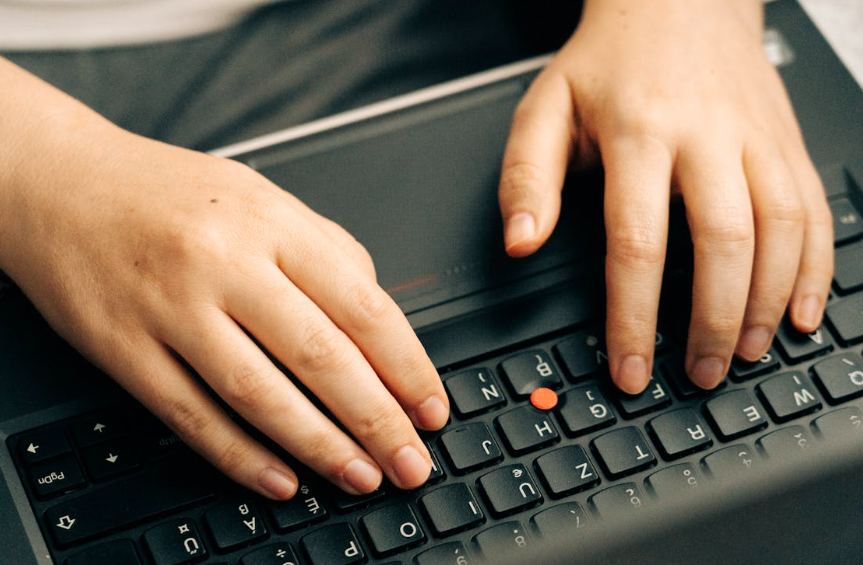
One encouraging aspect of touch typing is that practice often feels easier as muscle memory strengthens. Students gradually spend less energy thinking about finger placement and more energy focusing on ideas, creativity, and communication.
This shift can improve confidence across many digital learning tasks. Students who type comfortably may participate more actively in online discussions, complete assignments faster, and organize information more efficiently.
Keyboard shortcuts can also strengthen typing flow and digital confidence. Learning smarter keyboard-based workflows helps students navigate digital tasks more smoothly while reinforcing keyboard familiarity.
Hands-on learning activities make typing practice feel more meaningful as well. Projects inspired by creative real-world learning experiences encourage students to use typing naturally while researching, writing, and creating digital content.
Students should also remember the importance of healthy digital habits while practicing online. Responsible technology use includes understanding privacy, protecting personal information, and navigating digital spaces thoughtfully. Families can reinforce these habits through conversations about safe online learning and communication.
Workspace comfort continues influencing typing success over time. Calm, organized learning environments often improve concentration and reduce unnecessary distractions. Families may benefit from exploring ideas for creating healthier study spaces at home that support productive digital learning.
Most importantly, students should understand that progress in touch typing is often gradual but surprisingly steady. Improvement may feel slow day by day, yet consistent practice creates noticeable changes over weeks and months.
The brain is constantly adapting and strengthening movement patterns behind the scenes. What once required intense concentration eventually becomes automatic through repetition and routine.
As digital communication continues growing in education and daily life, touch typing remains one of the most valuable long-term skills students can develop. With consistent practice, muscle memory develops faster than many learners expect, helping students build confidence, efficiency, and independence in digital environments.
Not on Typesy Yet? You're Missing Out!
Master typing, boost productivity, and enhance digital literacy with Typesy—the leading platform for adaptive and engaging typing education. Whether you're an individual learner, a homeschool educator, or managing a classroom, Typesy has the perfect solution for you!
Choose Your Ideal Experience:
 Get Started with Typesy Today! – Transform the way you learn and teach typing!